
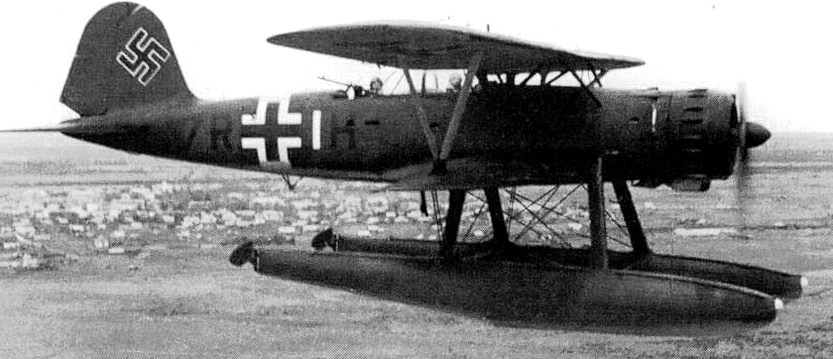
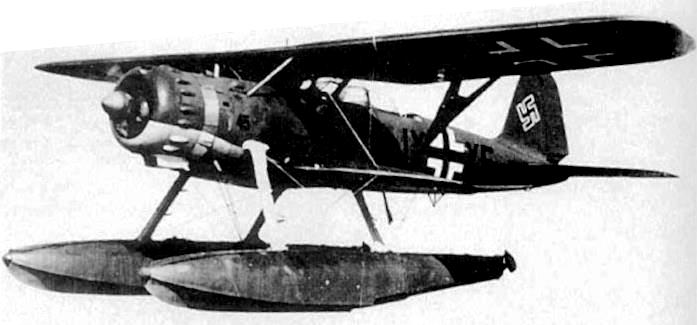
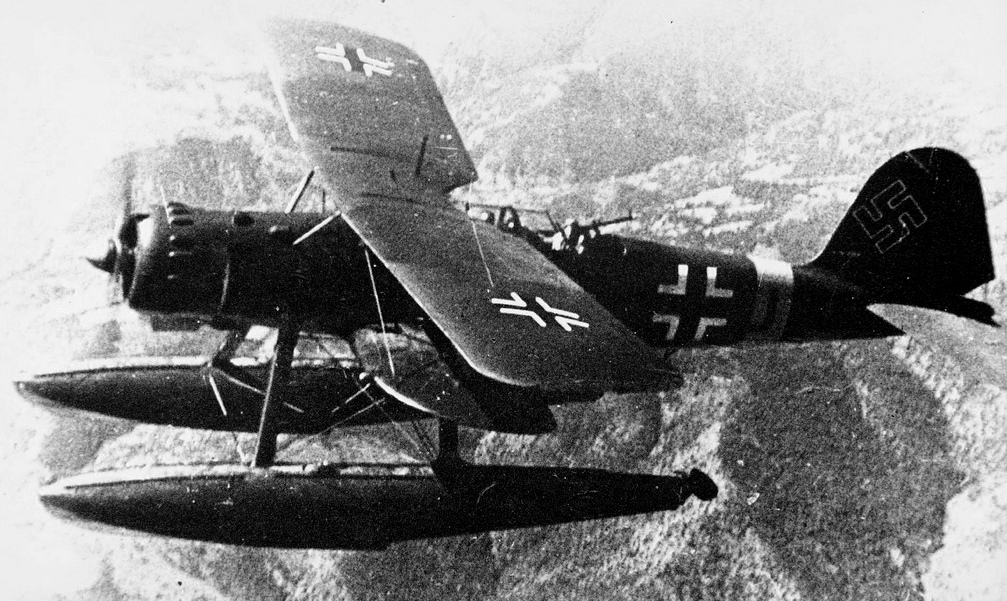
Heinkel He 114, reconnaissance float-plane. (Luftwaffe Photos)
(Luftwaffe Photo)
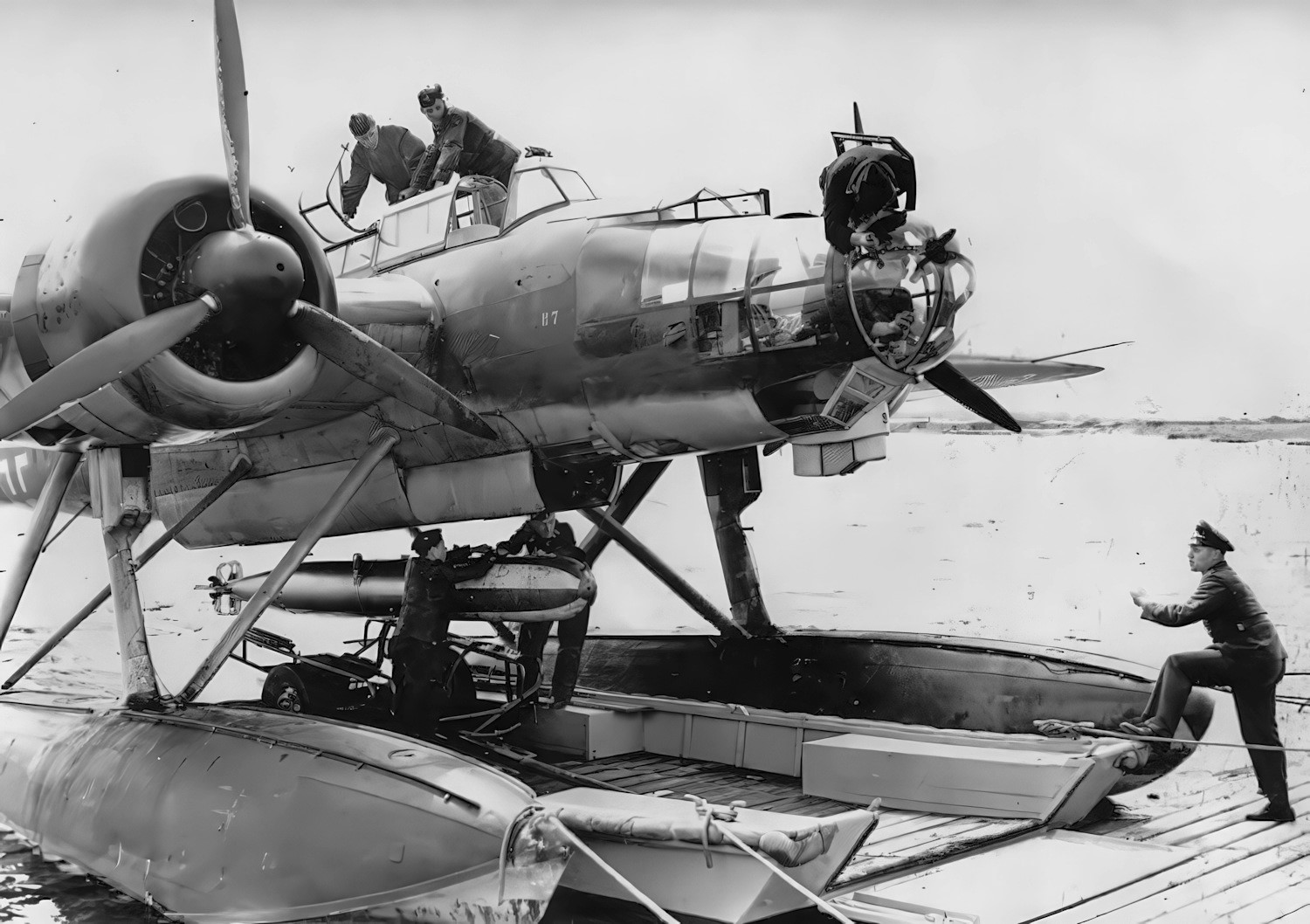
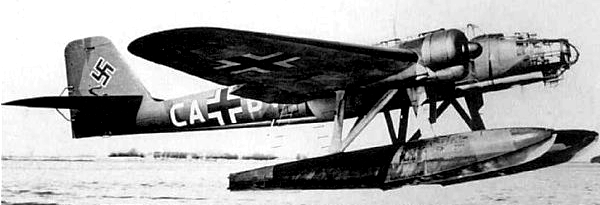
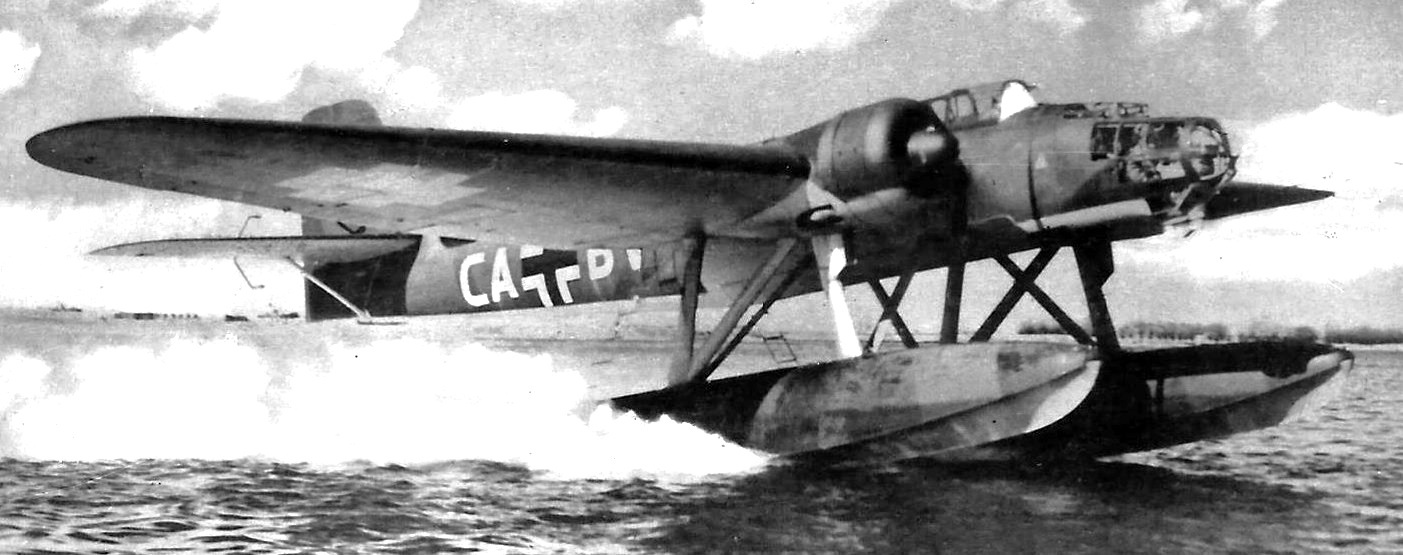
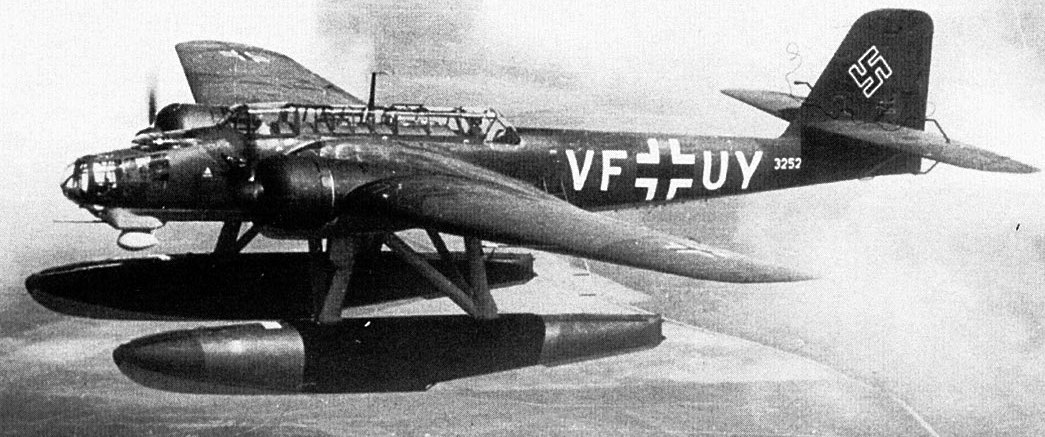
Heinkel He 115B-1. The aircraft served as a torpedo bomber and was utilized for various seaplane duties, including reconnaissance and minelaying. It was powered by two BMW 132K nine-cylinder air-cooled radial engines, each producing 960 PS (947 hp, 720 kW).
(Luftwaffe Photos)
Heinkel He 115B-1 general-purpose floatplane in Luftwaffe service. The Heinkel He 115B-1 served as a torpedo bomber and was utilized for various seaplane duties, including reconnaissance and minelaying. It was powered by two BMW 132K nine-cylinder air-cooled radial engines, each producing 960 PS (947 hp, 720 kW).
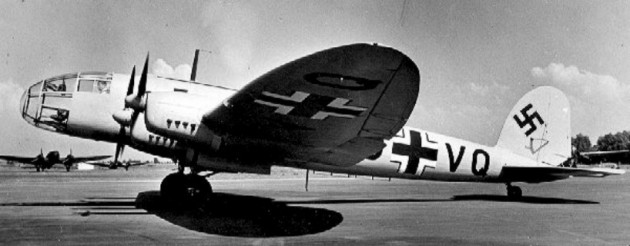
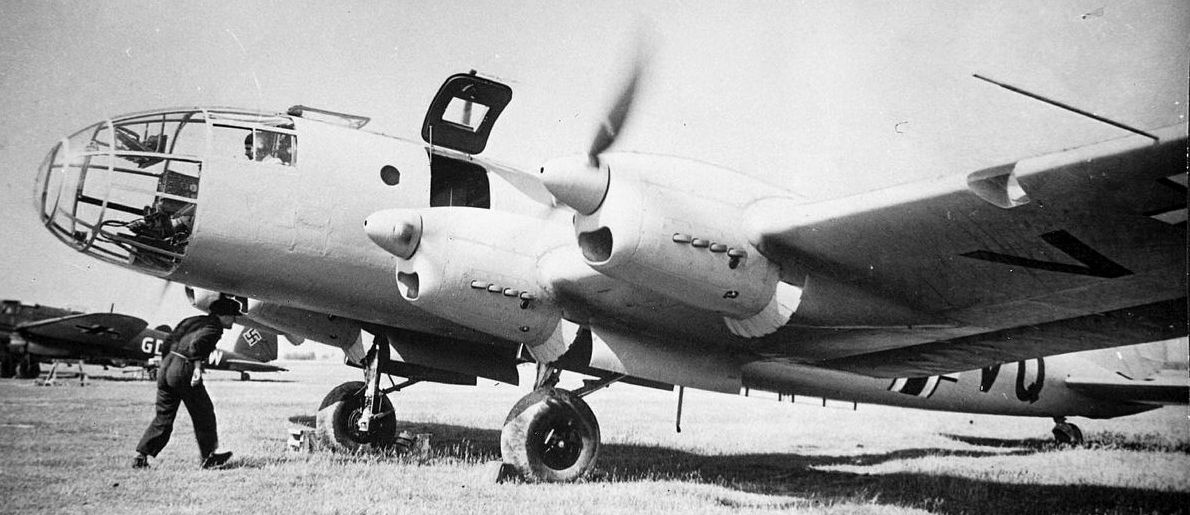
Heinkel He 116, +VQ, transport/reconnaissance. (Luftwaffe Photo, left, SDASM Photo, right)
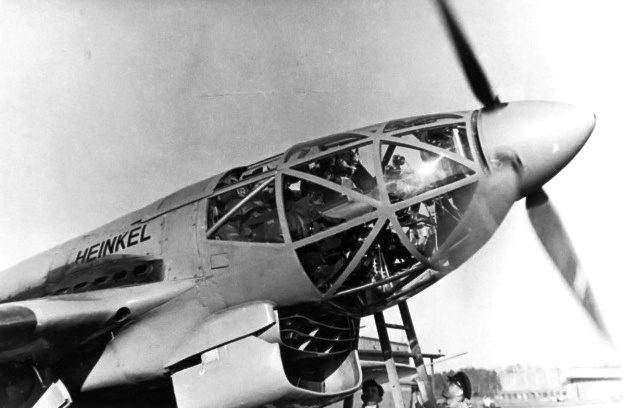
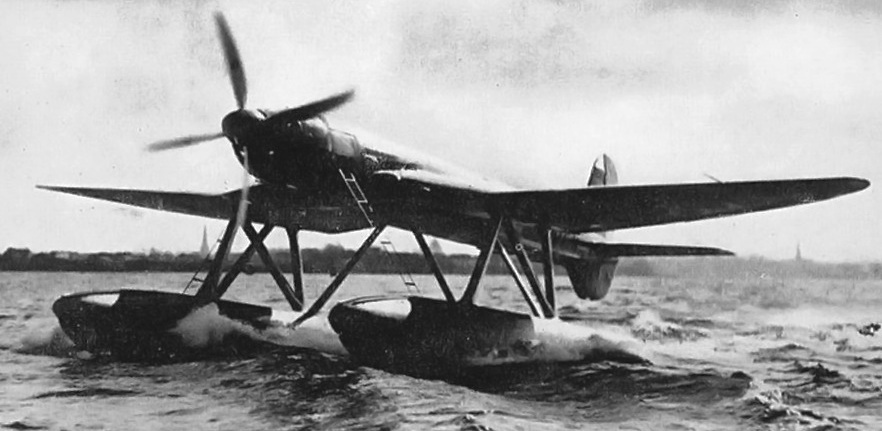
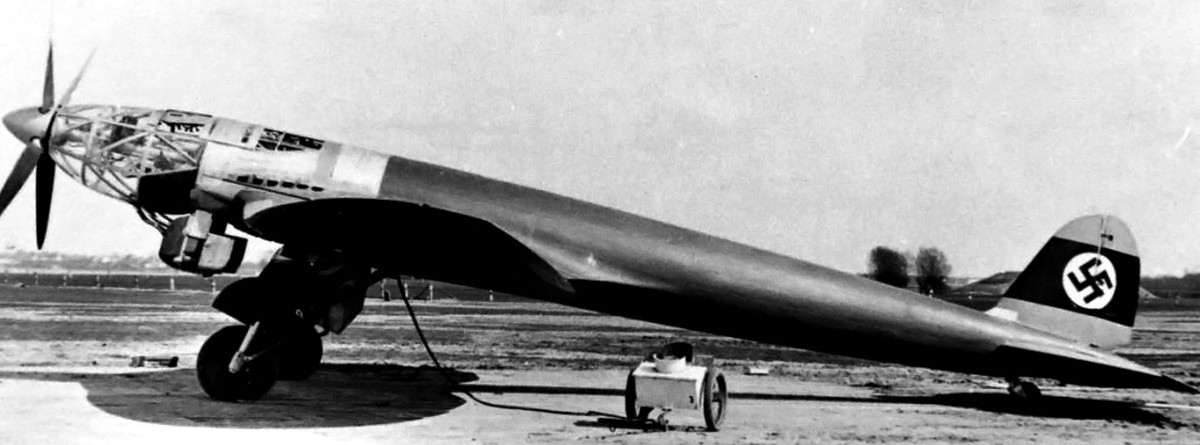
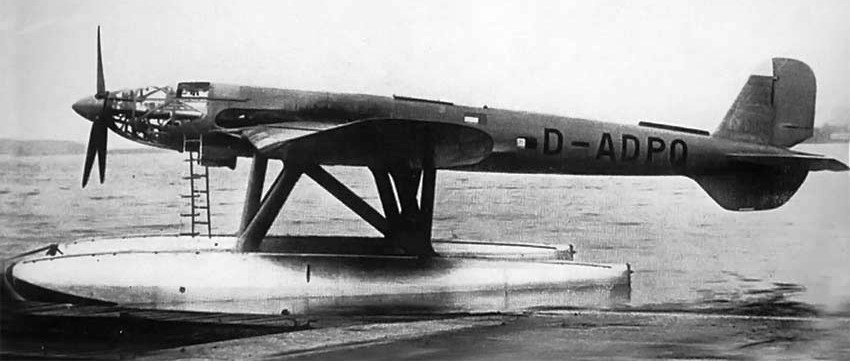
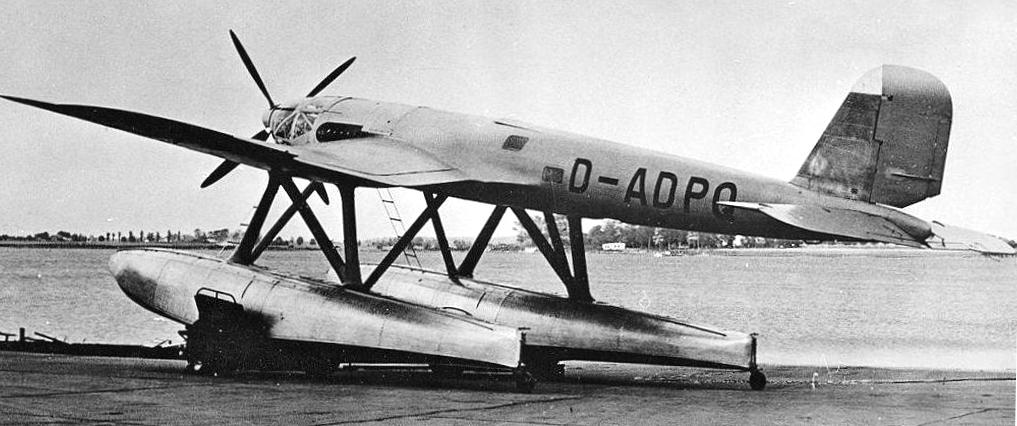
Heinkel He 119, bomber/reconnaissance (prototype). (Luftwaffe Photos)
Heinkel He 162 Volksjäger
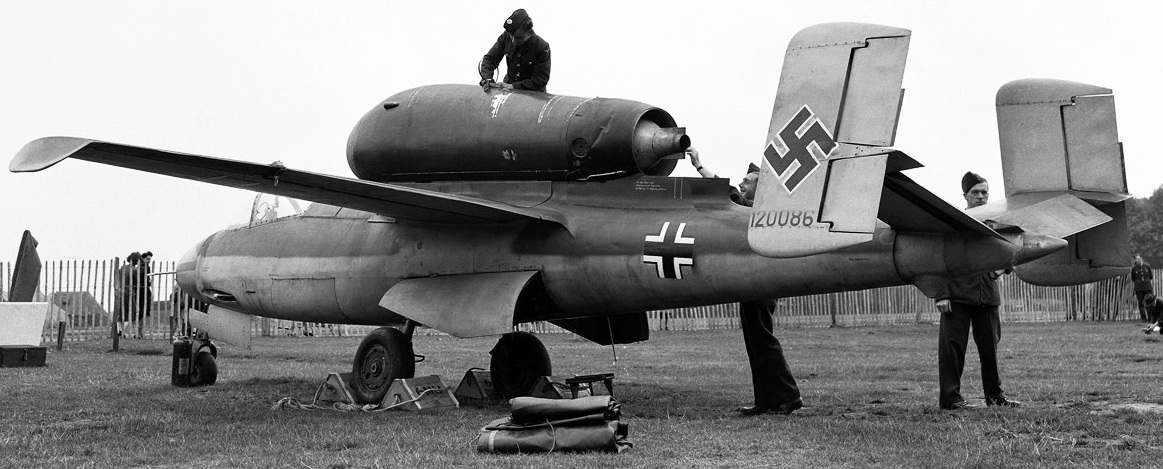
(RAF Photo)
Heinkel He 162A-2, (Wk. Nr. 120086), Yellow 2, JG1, captured at captured at Leck, Nordfriesland, in Schleswig-Holstein, Germany. Designated RAF AM62, this aircraft was on display in Hyde Park, London, England post war. This aircraft was later shipped to Canada and is on display in the Canada Aviation and Space Museum
Heinkel He 162 Volksjäger fighters are documented on a separate page on this website.
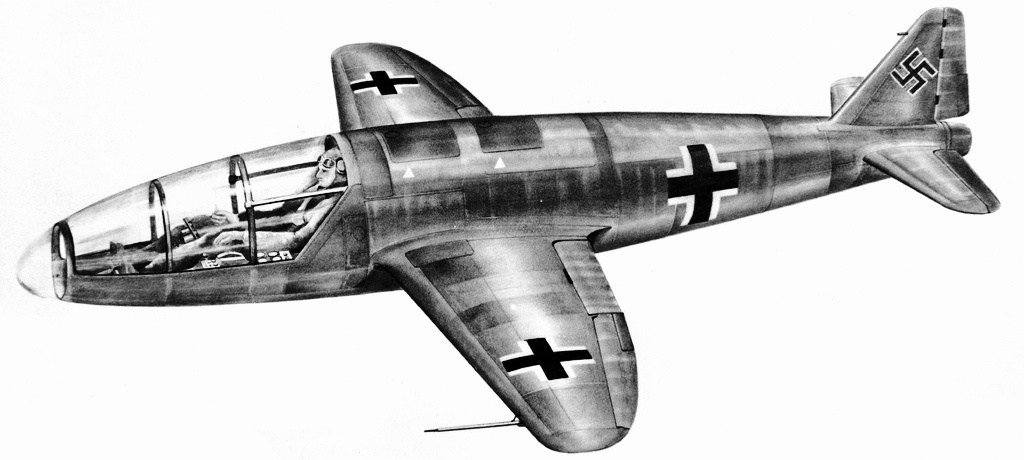
(Drawing and Photo, SDA&SM)
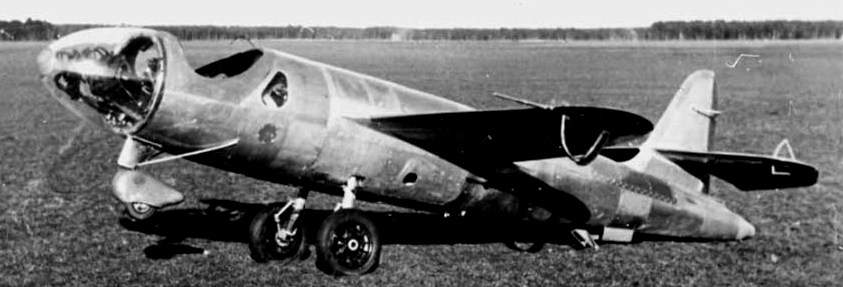
Heinkel He 172, trainer (prototype). The He 176 rocket-powered aircraft was the world’s first to be propelled solely by a liquid-fuelled rocket, making its first powered flight on 20 June 1939.
(Bundesarchiv, Bild 101I-676-7969A-23 / Schröder / CC-BY-SA)
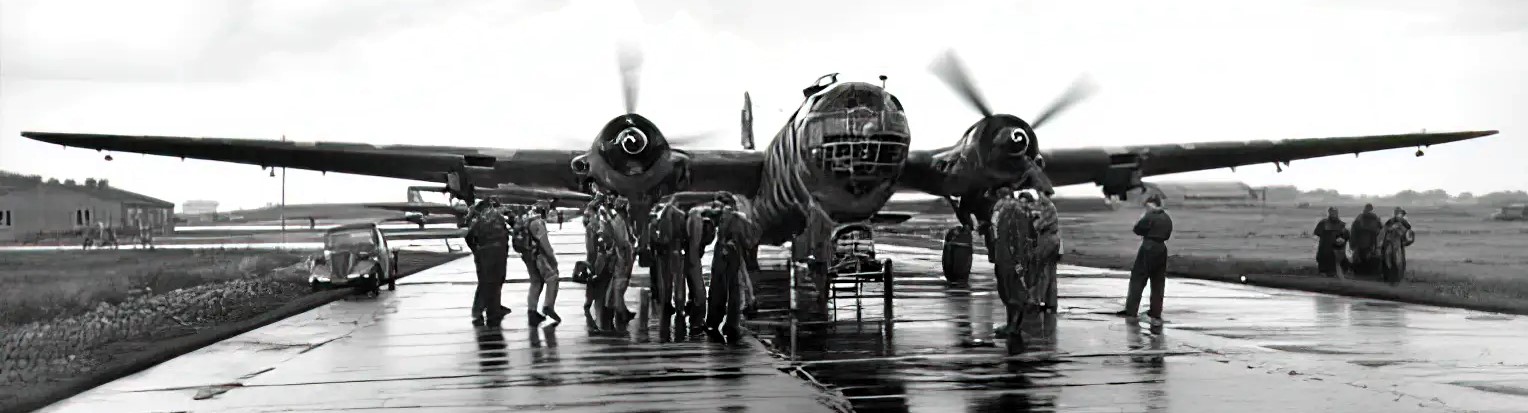
Heinkel He 177A-5/R6 Greif (Griffon) long-range heavy bomber, September 1944.
Heinkel He 177 Greif bombers are documented on a separate page on this website.
(Luftwaffe Photos)
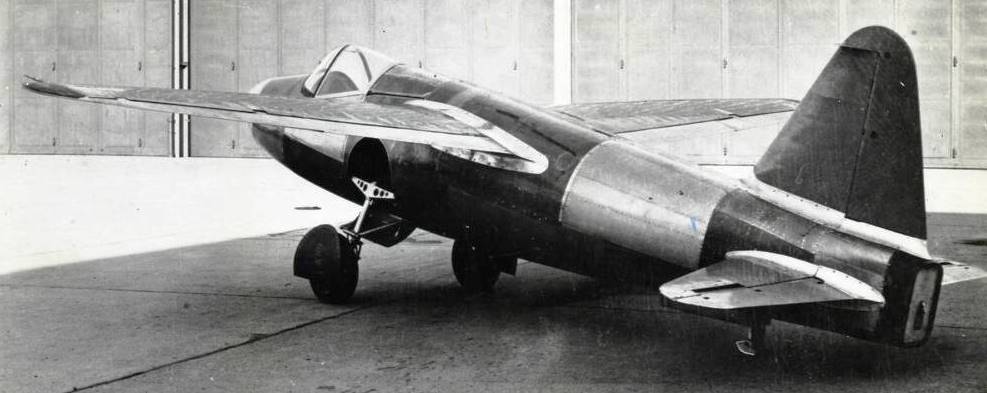
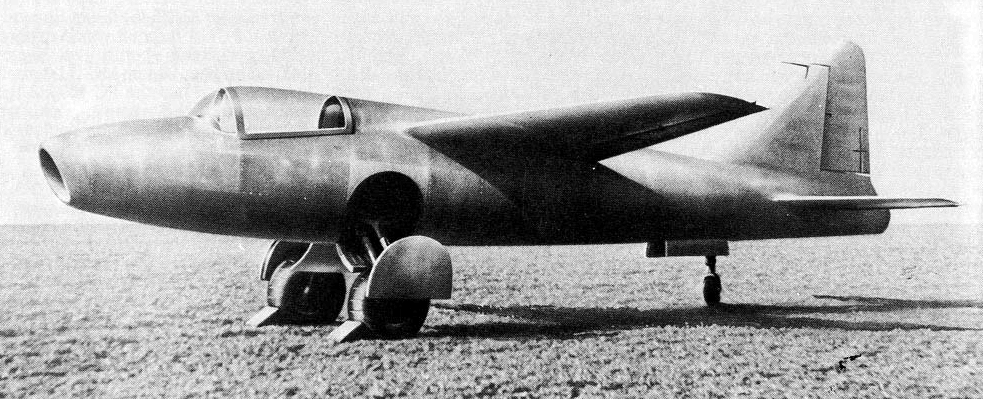
Heinkel He 178. This aircraft flew for the first time in August 1939, marking the first flight of a jet powered aircraft in history. The He 178 had a top speed of 380mph, but the jets rapid consumption of fuel kept its range short at 200km. Plans were in place to weaponize the design, but it never progressed to the production stage.
(Luftwaffe Photo)
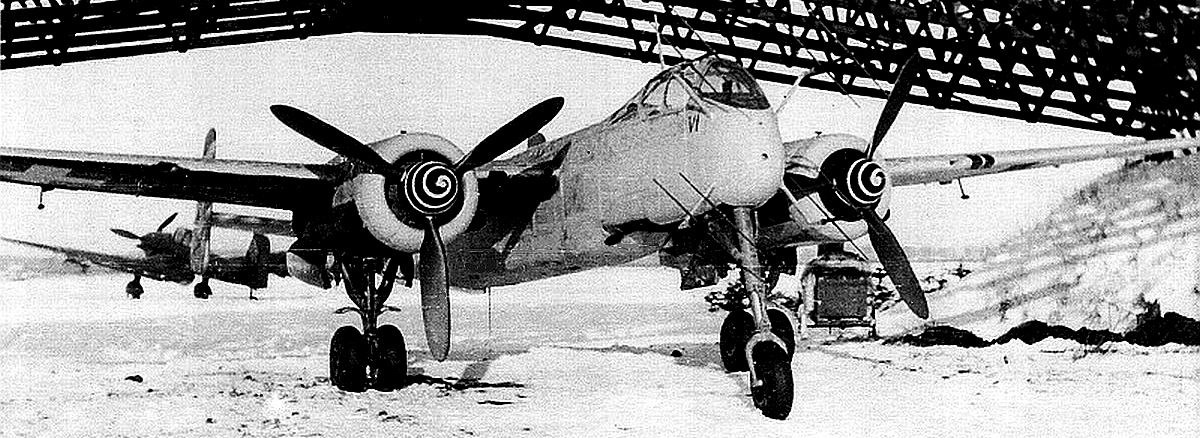
Heinkel He 219A Uhu in Luftwaffe service.
Heinkel He 262 Uhu fighters are documented on a separate page on this website.
(Armée de l’Air Photo)
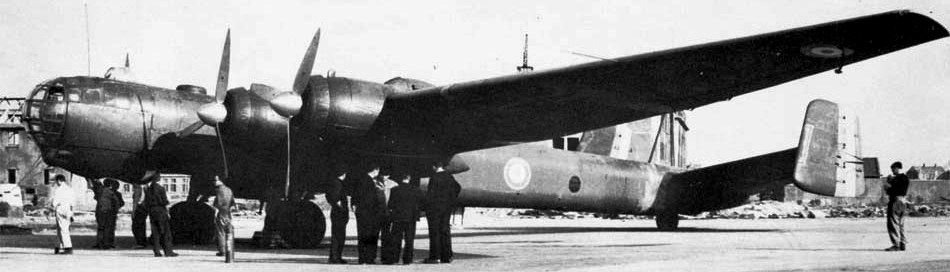
Heinkel He 274.
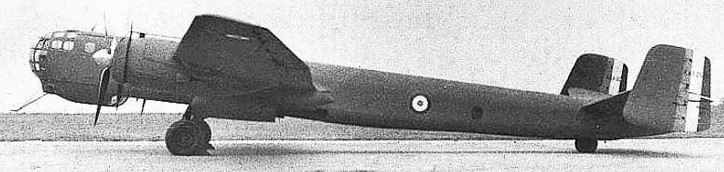
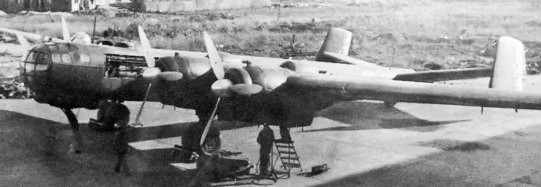
The Heinkel He 274 was a German heavy bomber design developed during World War II, purpose-designed for high-altitude bombing with pressurized crew accommodation. Due to the Allied advance through Northwest Europe, the prototypes were abandoned at the French factory where they were being built. They were completed after the war by the French and used for high-altitude research. (Wikipedia)
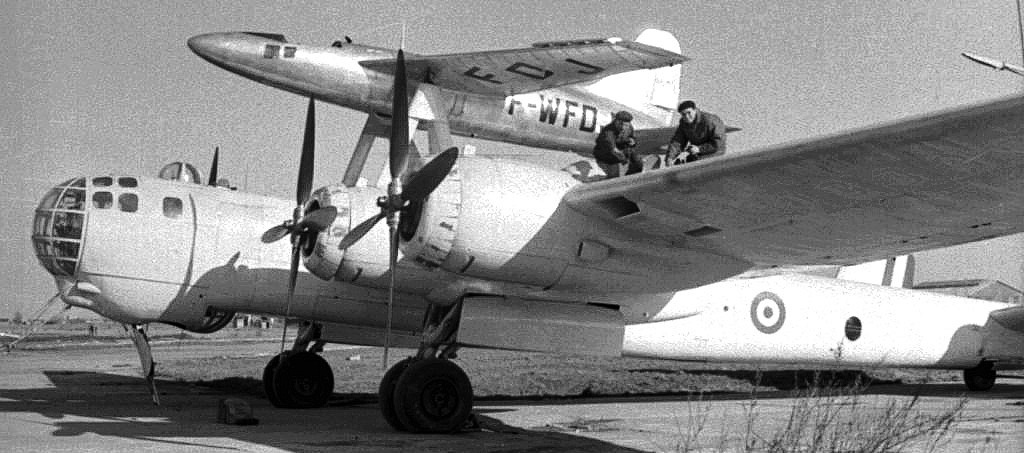
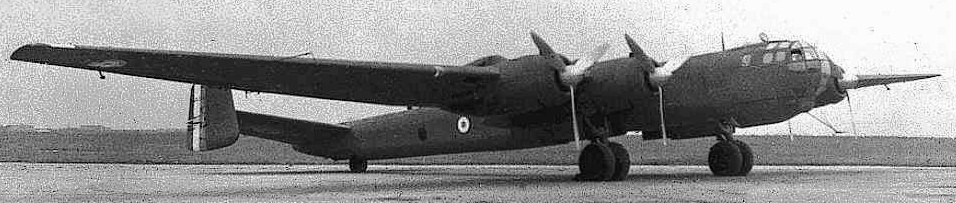
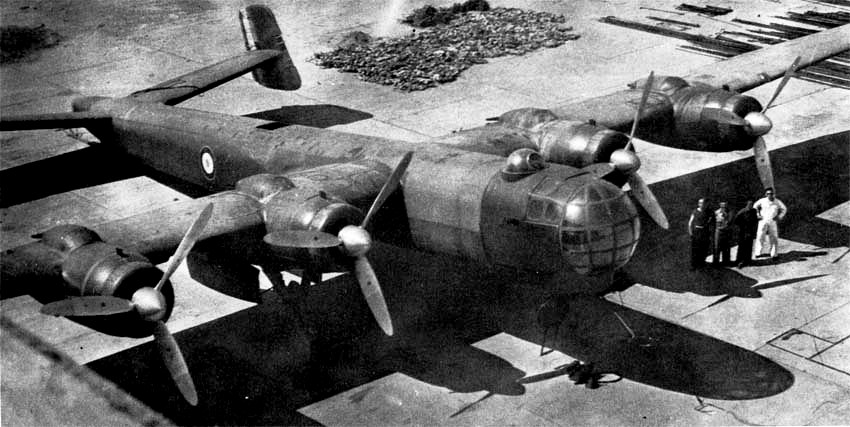
(Armée de l’Air Photos)
Heinkel He 274, (Wk. Nr. unknown) high-altitude bomber. Two prototypes were completed by the French post-war and put into service with the Armée de l’Air. (Armée de l’Air Photos)
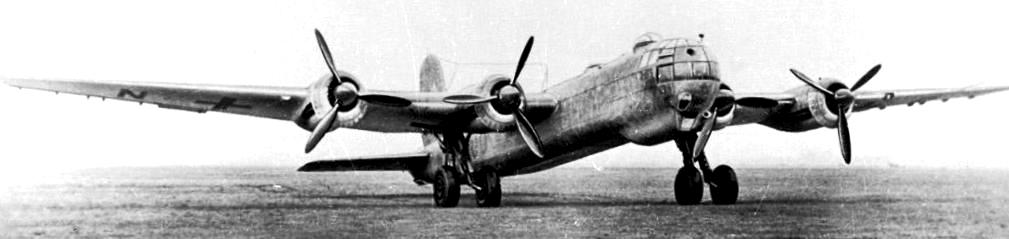
(Luftwaffe Photo)
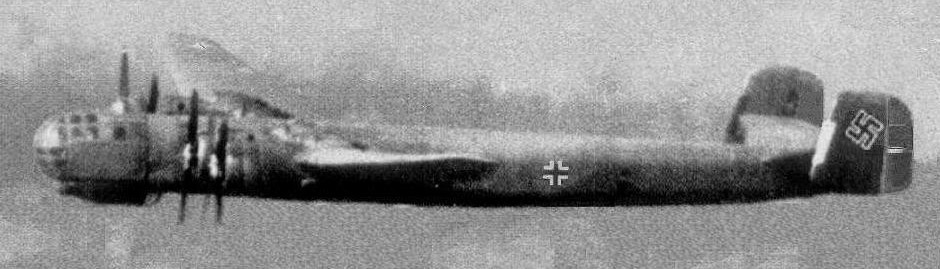
Heinkel He 277 Amerika Bomber, heavy bomber (project).
The Heinkel He 277 was a four-engine, long-range heavy bomber design, originating as a derivative of the He 177, intended for production and use by the German Luftwaffe during World War II. The main difference was in its engines. While the He 177 used four engines in two coupled pairs which proved troublesome, the He 277 was intended to use four unitized BMW 801E 14-cylinder radial engines, in single nacelle installations. The design was never produced and no prototype airframe was completed. The deteriorating condition of the German aviation industry late in the war and the competition from other long-range bomber designs from other firms, led to the design being cancelled. Although not intended for it at first, the He 277 design became Heinkel’s entry in the Amerika bomber programme for a long range bomber that could reach North America. (Wikipedia)
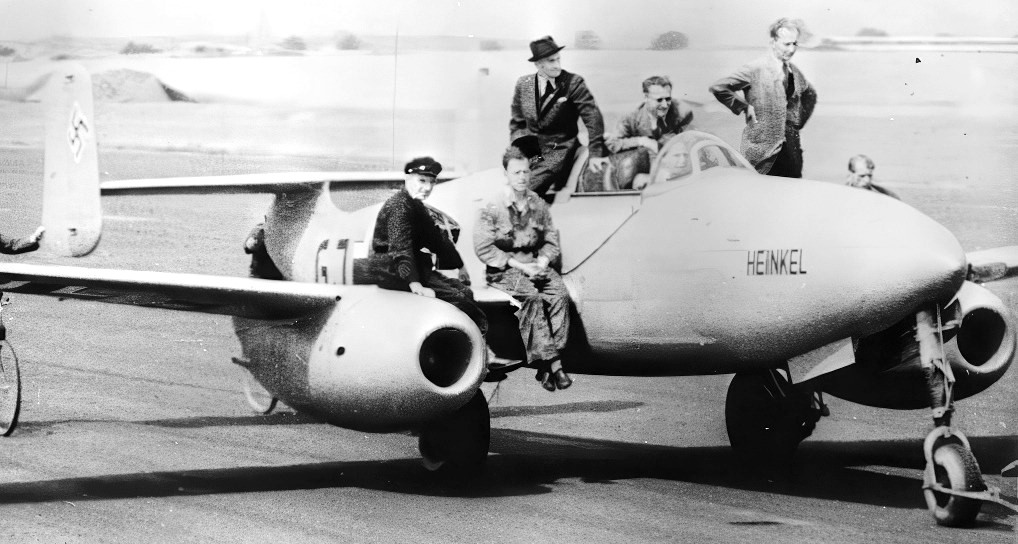
(Luftwaffe Photo)
Heinkel He 280.
Originally called the He 180, the Heinkel He 280 was an early turbojet-powered fighter aircraft designed and produced by the German aircraft manufacturer Heinkel. It was the first jet fighter to fly in the world. The He 280 harnessed the progress made by Hans von Ohain’s novel gas turbine propulsion and by Ernst Heinkel’s work on the He 178, the first jet-powered aircraft in the world. Heinkel placed great emphasis on research into high-speed flight and on the value of the jet engine; after the He 178 had met with indifference from the Reichsluftfahrtministerium (RLM) (the German Reich Aviation Ministry), the company opted to start work on producing a jet fighter during late 1939. Incorporating a pair of turbojets, for greater thrust, these were installed in a mid-wing position. It also had a then-uncommon tricycle undercarriage while the design of the fuselage was largely conventional.
During the summer of 1940, the first prototype airframe was completed; however, it was unable to proceed with powered test flights due to development difficulties with the intended engine, the HeS 8. Thus, it was initially flown as a glider until suitable engines could be made available six months later. The lack of state support delayed engine development, thus setting back work on the He 280; nevertheless, it is believed that the fighter could have been made operational earlier than the competing Messerschmitt Me 262, and offered some advantages over it. On 22 December 1942, a mock dogfight performed before RLM officials saw the He 280 demonstrate its vastly superior speed over the piston-powered Focke-Wulf Fw 190; shortly thereafter, the RLM finally opted to place an order for 20 pre-production test aircraft to precede a batch of 300 production standard aircraft. However, engine development continued to be a thorn in the side of the He 280 program.
During 1942, the RLM had ordered Heinkel to abandon work on both the HeS 8 and HeS 30 to focus on the HeS 011. As the HeS 011 was not expected to be available for some time, Heinkel selected the rival BMW 003 powerplant; however, this engine was also delayed. Accordingly, the second He 280 prototype was re-engined with Junkers Jumo 004s. On 27 March 1943, Erhard Milch, Inspector-General of the Luftwaffe, ordered Heinkel to abandon work on the He 280 in favour of other efforts. The reason for this cancellation has been attributed to combination of both technical and political factors; the similar role of the Me 262 was certainly influential in the decision. Accordingly, only the nine test aircraft were ever built, at no point did the He 280 ever attain operational status or see active combat. (Wikipedia)
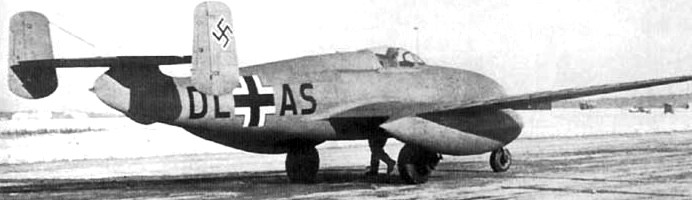
(Luftwaffe Photos)
Heinkel He 280, jet fighter (prototype), DL+AS. At the end of the war the Soviet Union collected three damaged twin-engine He 280 fighters with Heinkel S 8a engines at Vienna, Austria.
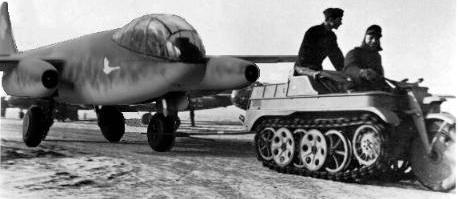
(Luftwaffe artwork)
Heinkel He 343A-1, jet bomber (project) prototypes. In January 1944, the RLM funded 20 aircraft including a series of 4 prototypes. The eventual He-343 A1 bomber was operated by 1/KG76 at Burg near Magdeburg.
The Heinkel He 343 was a quadjet bomber project designed by the German aircraft manufacturer Ernst Heinkel Flugzeugwerke during the final years of the Second World War. It was intended to perform aerial reconnaissance and fighter-bomber operations in addition to its use as a fast bomber. The project commenced work in January 1944 as a new jet-powered bomber that emphasised flexibility in terms of mission role and engine fitout. Munitions were to be carried both externally and internally. Four variants of the He 343 were envisioned to perform bombing, reconnaissance, and direct fire support roles. The Government Air Ministry (Reichsluftfahrtministerium) quickly issued an initial order for 20 aircraft, which Heinkel worked on fulfilling. Despite lobbying efforts by the company’s founder, Ernst Heinkel, to maintain the project, during late 1944, work was halted on the project and the order cancelled on account of Germany’s deteriorating military situation necessitating the diversion of limited resources towards other programmes closer to production. Both design information and many of the components were recovered from Heinkel by the Soviet Union near the end of the conflict. The He 343 was allegedly studied in great detail by the Soviets and played a crucial role in the development of the Ilyushin Il-22, the first Soviet jet-bomber. A single prototype was built and flown by the Soviets. (Wikipedia)