
Warplanes preserved in the USA: Ohio, Dayton, National Museum of the USAF: Boeing P-12E, Boeing P-26A Peashooter, Boeing Stearman PT-13D Kaydet, Boeing B-17F Flying Fortress, Boeing B-17G Flying Fortress, Boeing B-29 Superfortress, Boeing WB-50D Superfortress, Boeing KC-97L Stratofreighter
(SDASM Archives Photo)
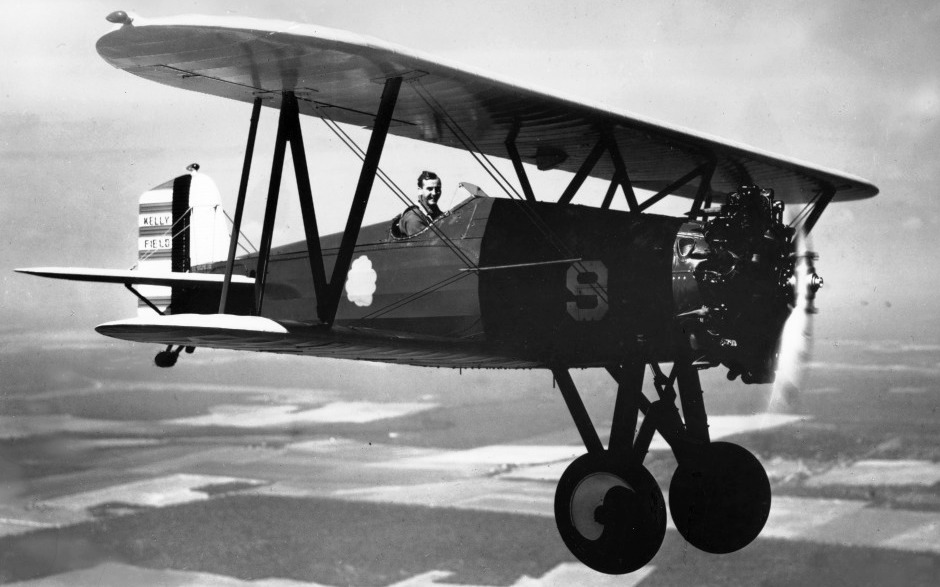
Boeing P-12B Kelly Field.
(NMUSAF Photos)
(Martin McGuire Photo)
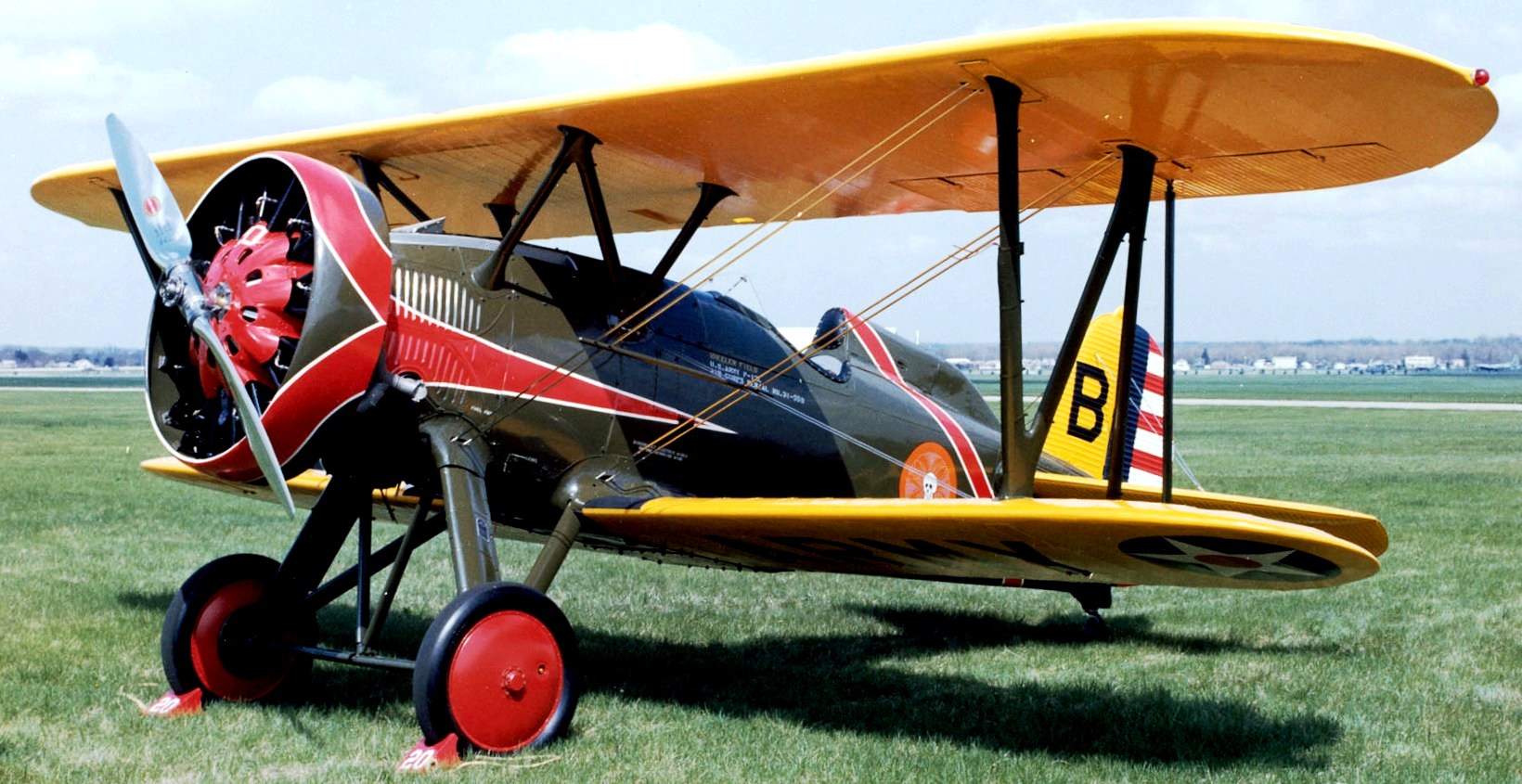
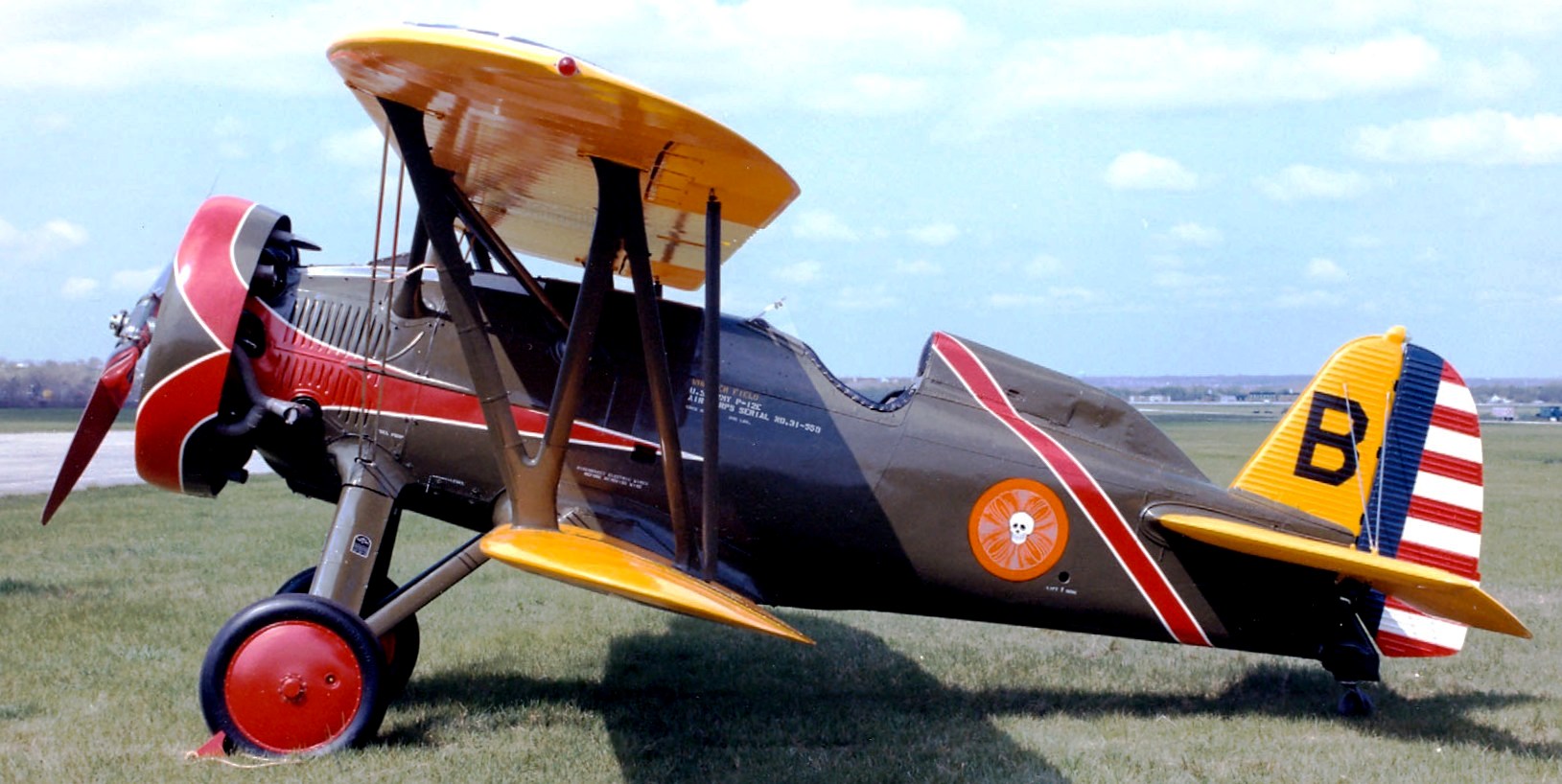
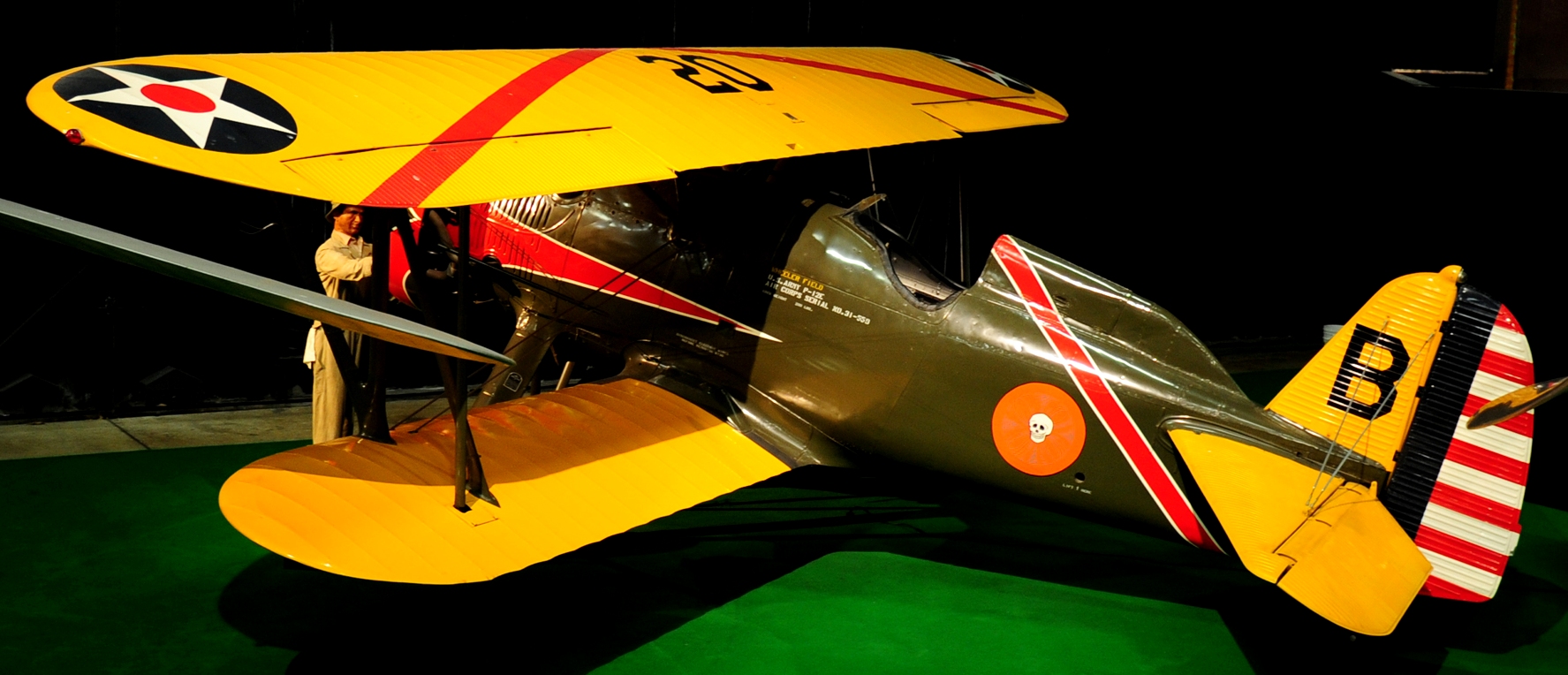
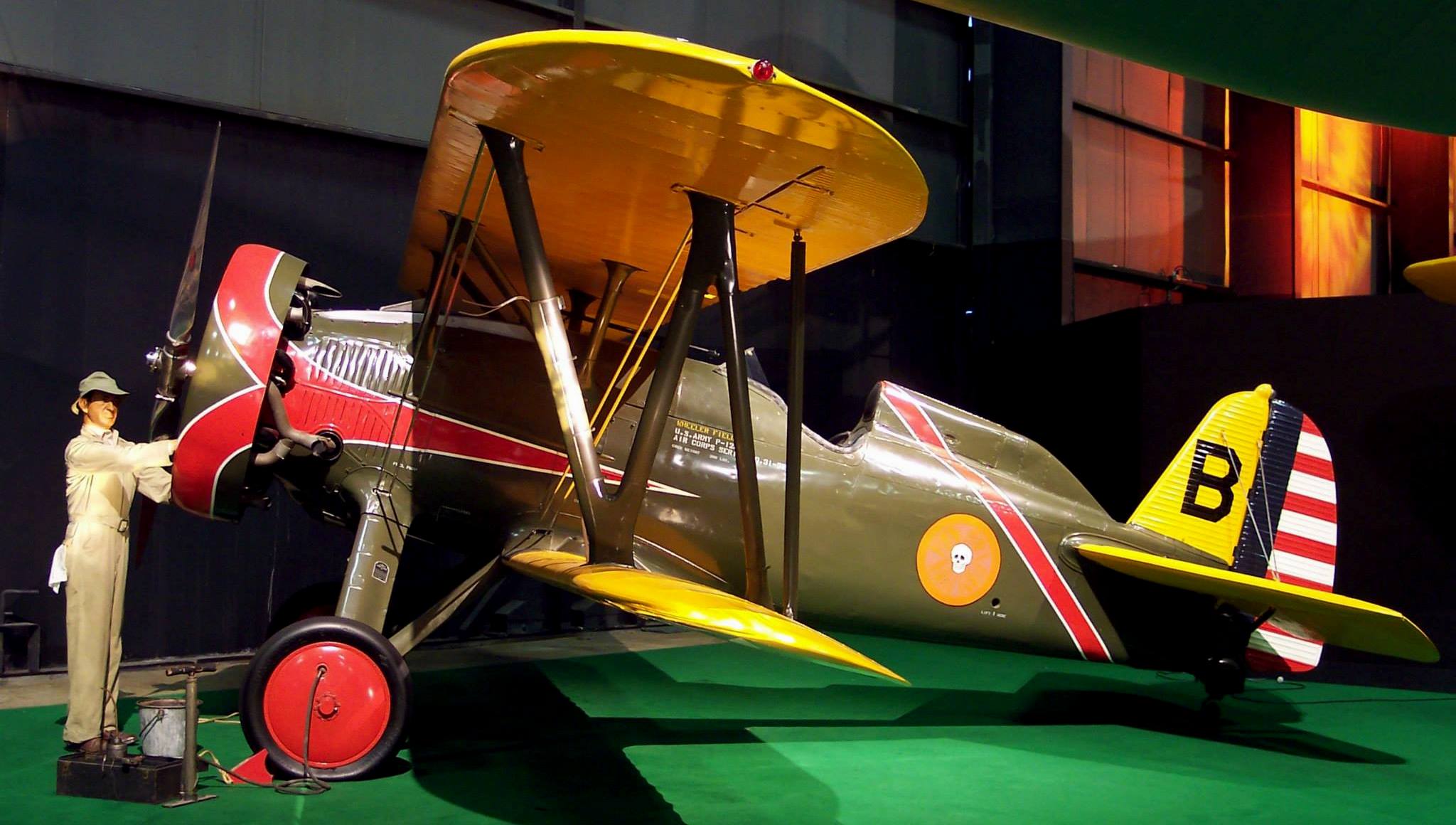
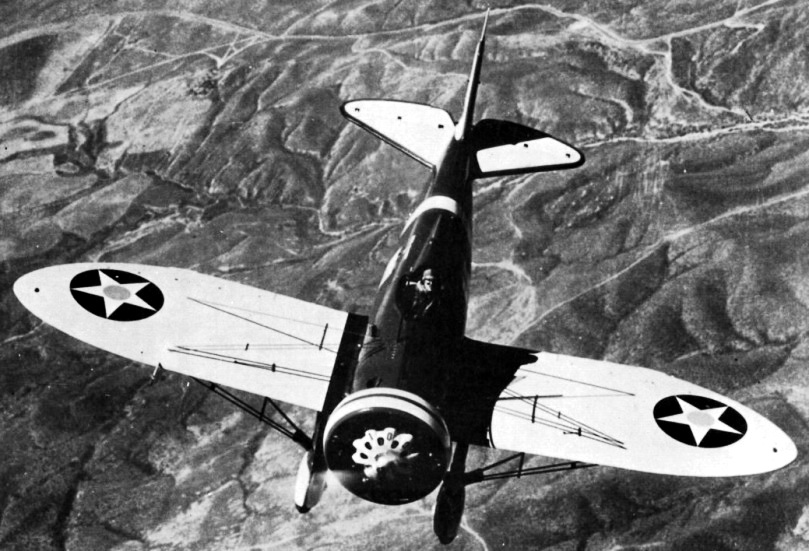
Boeing P-12E (Serial No. 31-559).
(USAAC Photos)
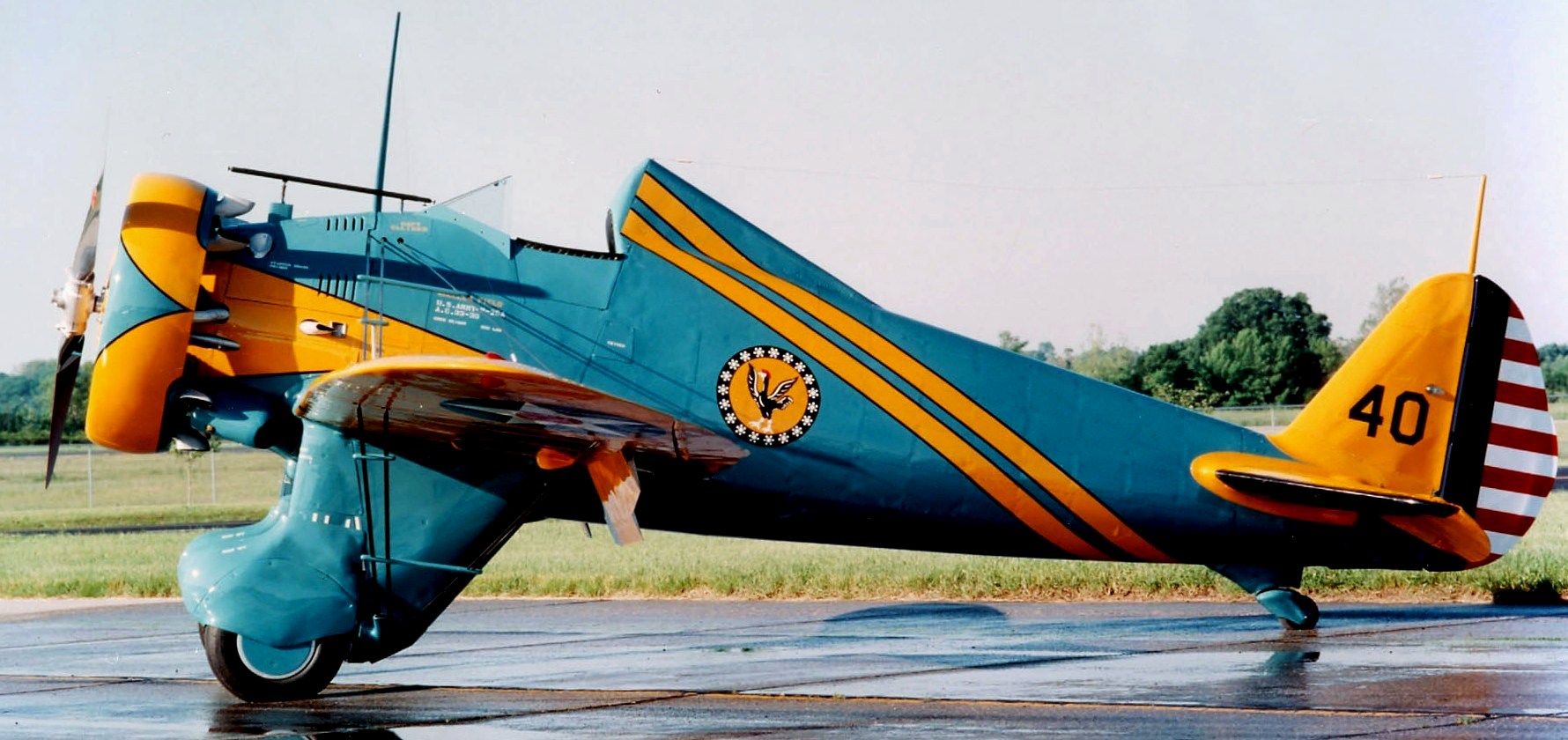
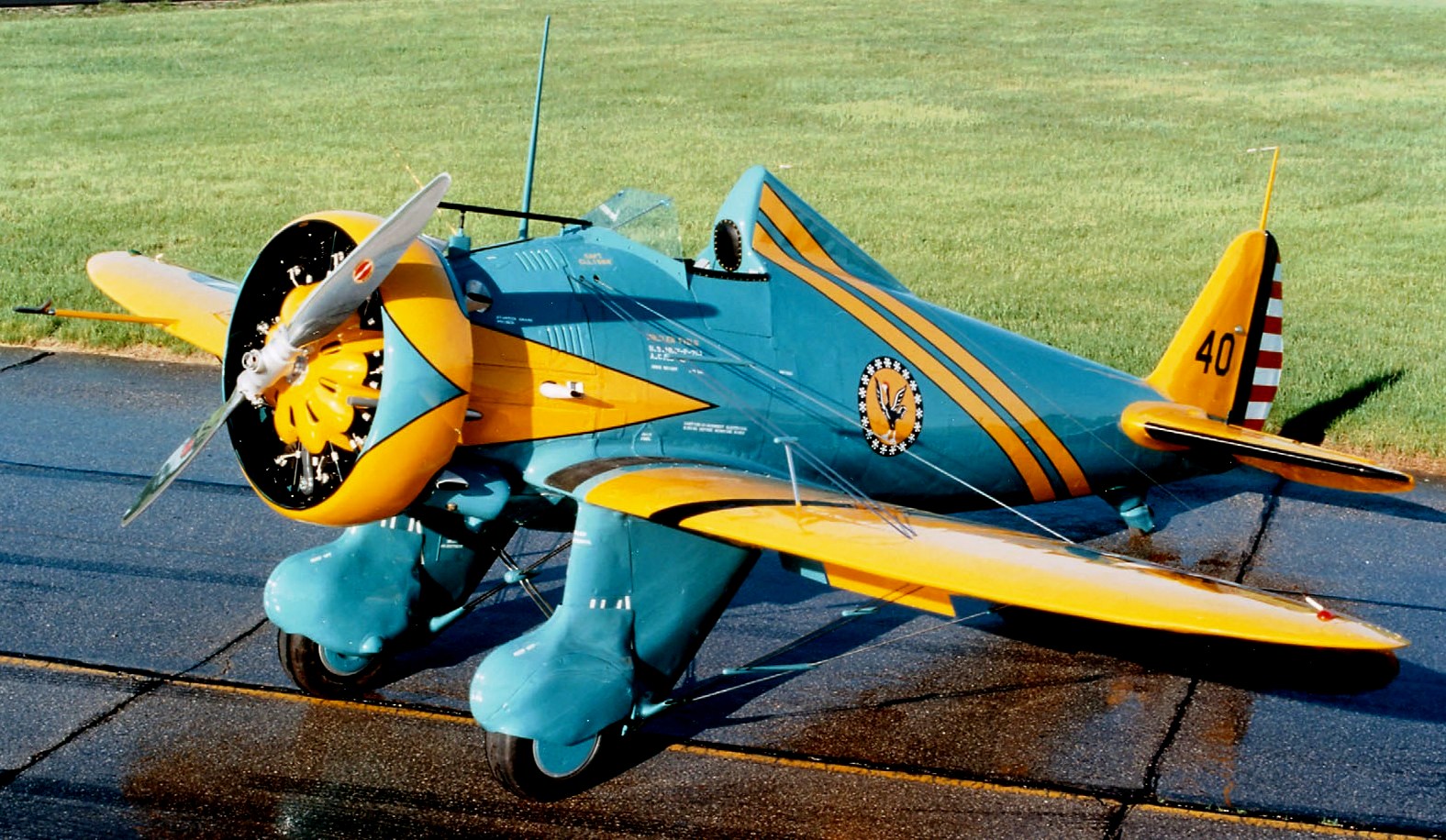
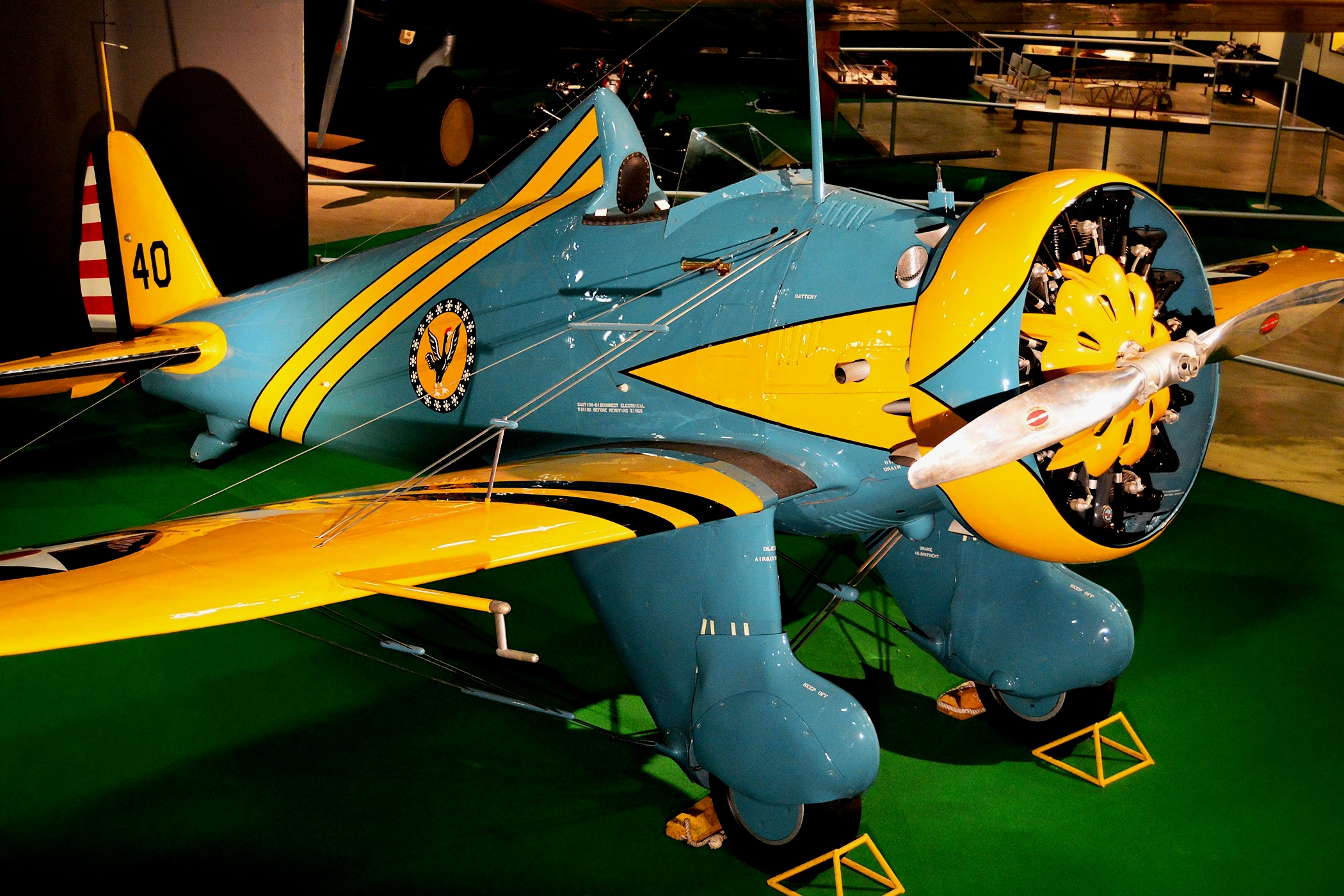
(NMUSAF Photos)
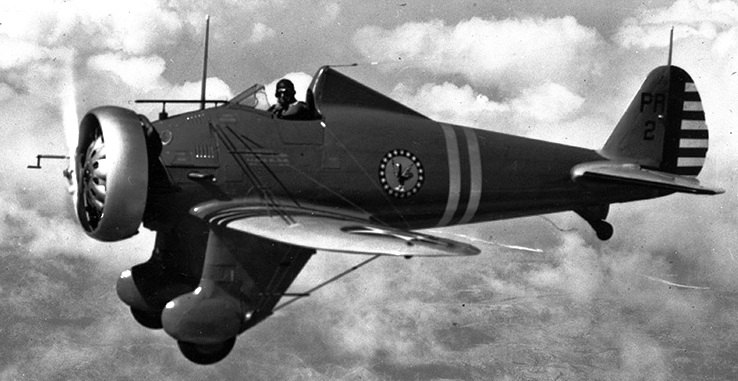
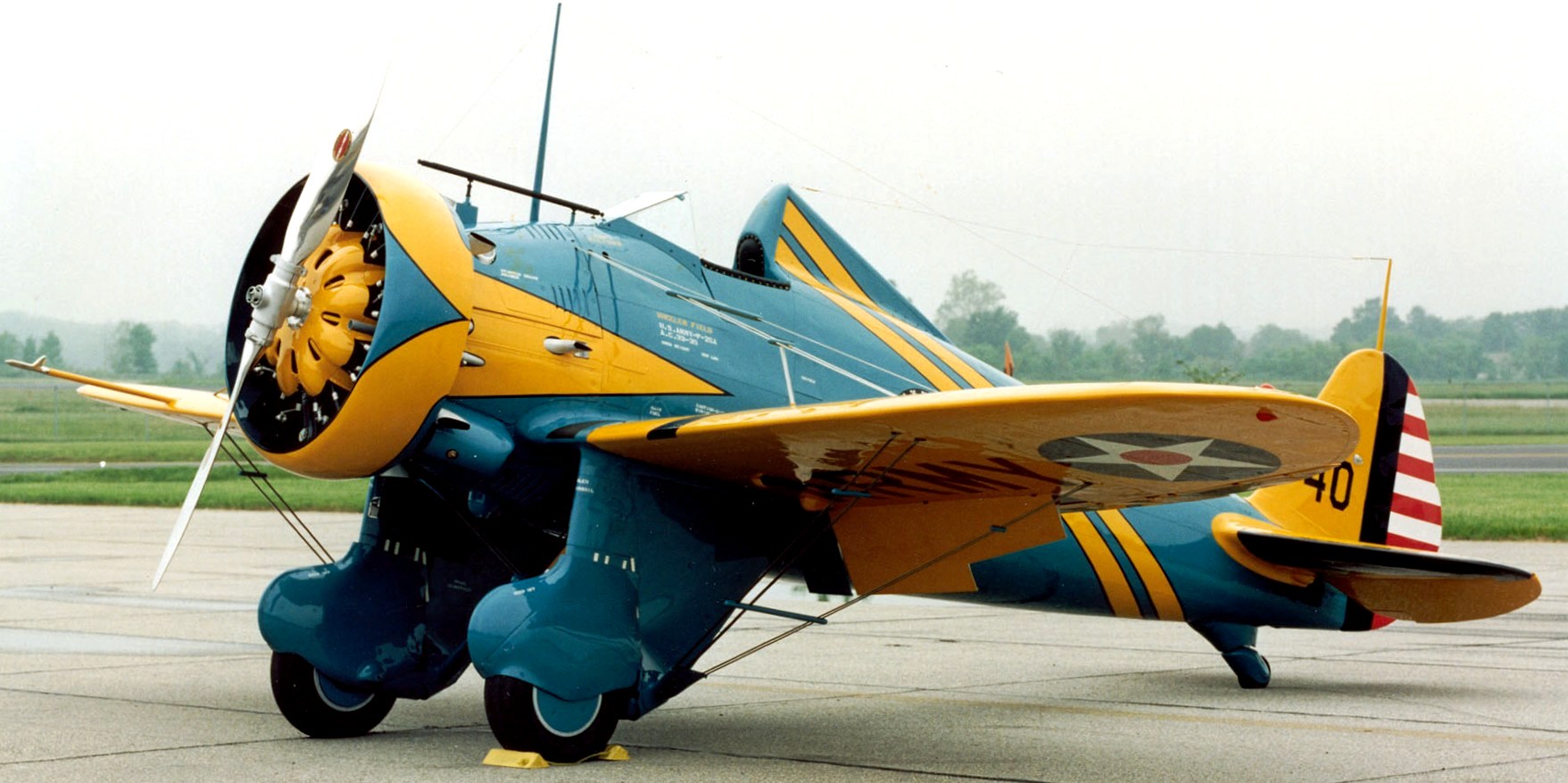
Boeing P-26A Peashooter, replica, (Serial No. 0001). This P-26A is a reproduction, painted to represent the Commander’s aircraft of the 19th Pursuit Squadron, 18th Pursuit Group, stationed at Wheeler Field, Hawaii, in 1938.
(NMUSAF Photos)
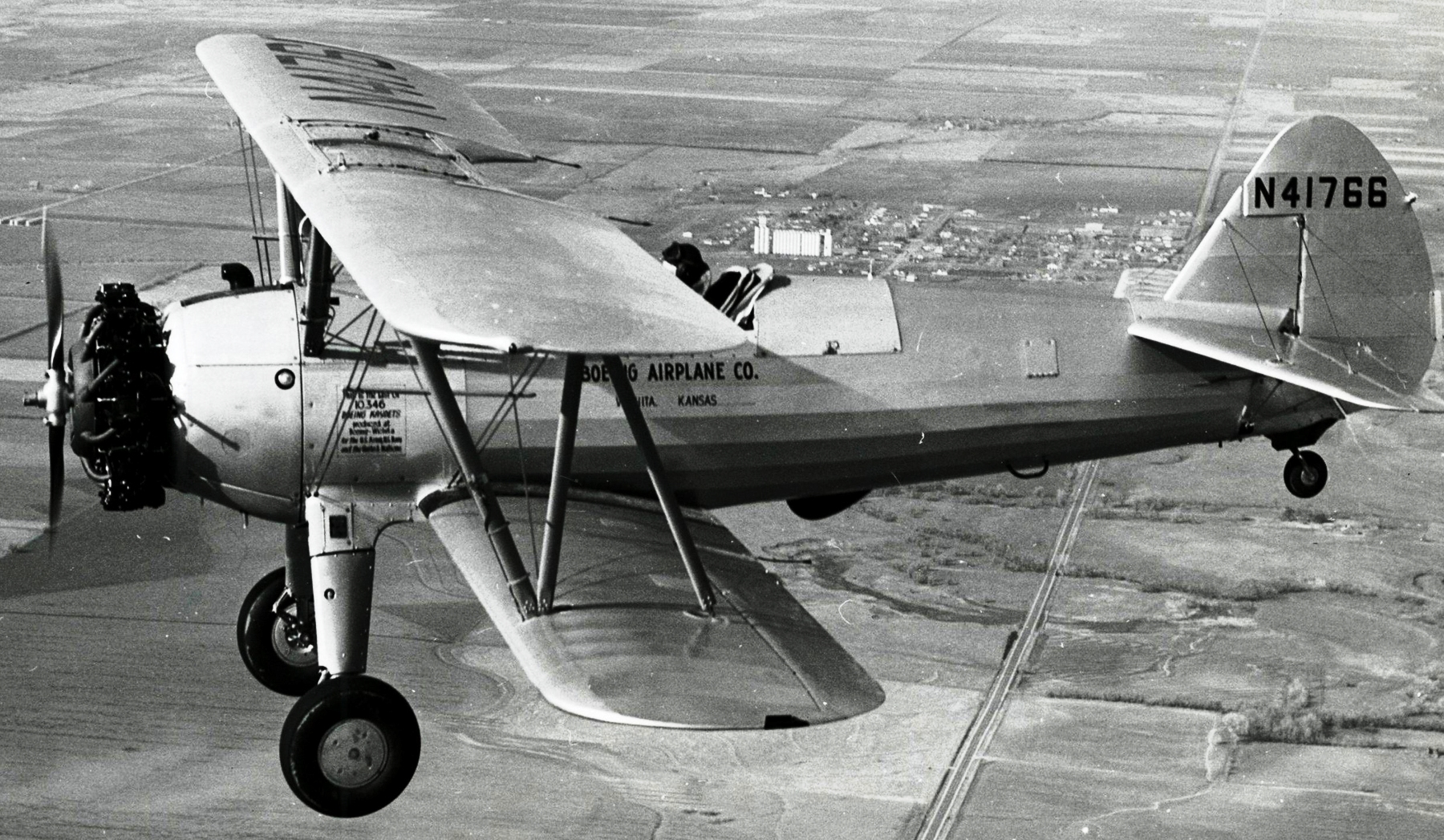
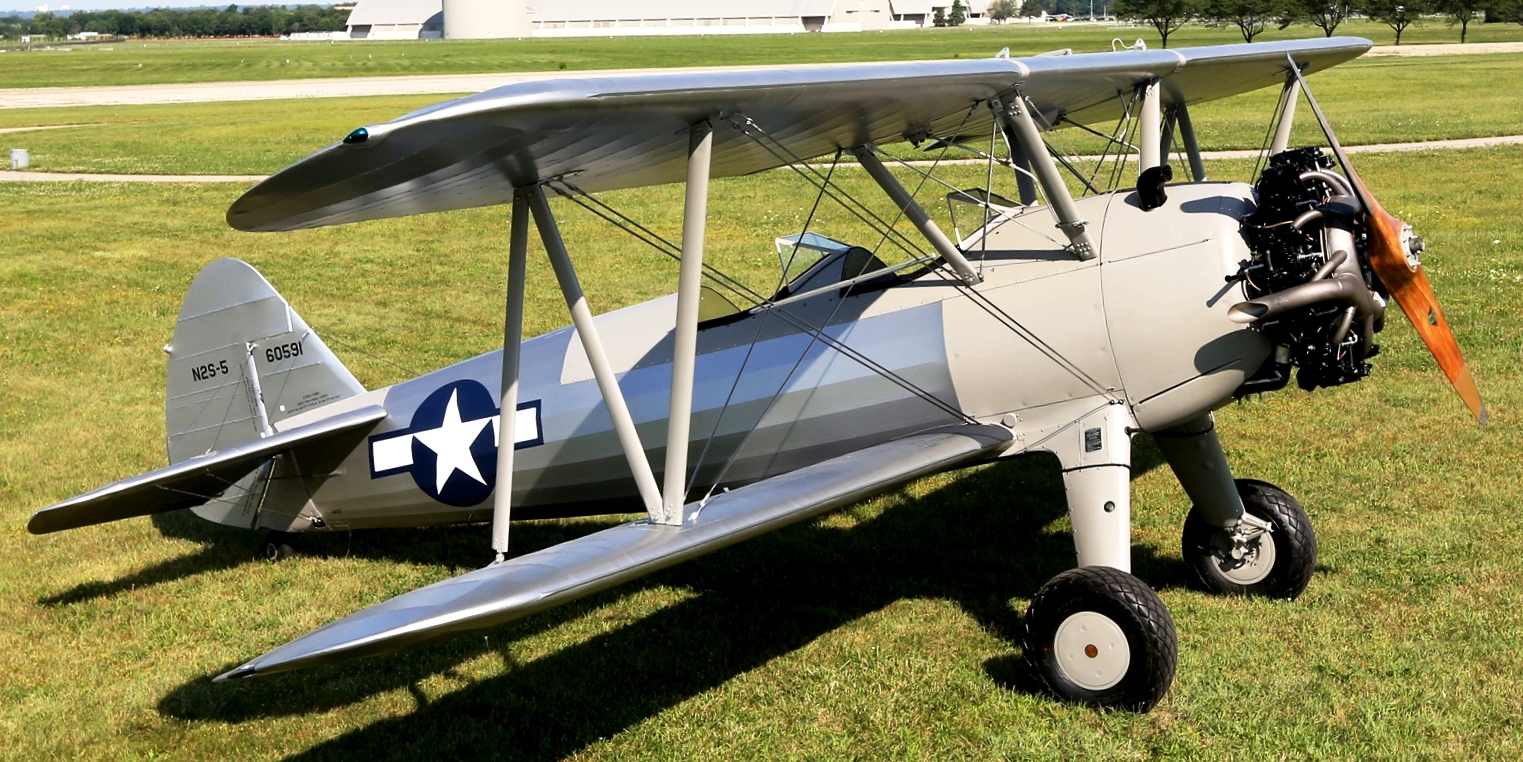
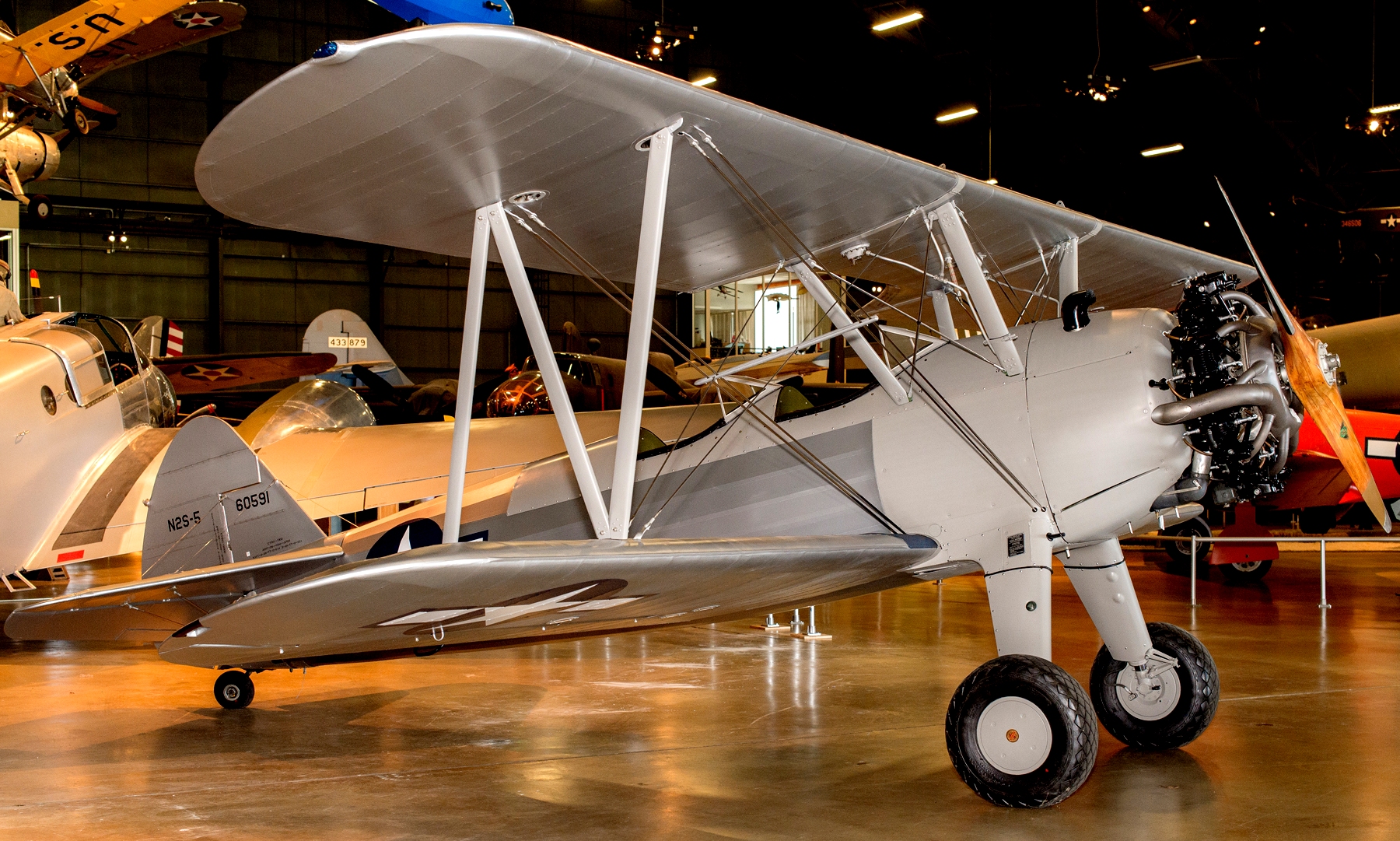
Boeing Stearman PT-13D Kaydet (Serial No. 42-17800). The NMUSAF’s PT-13D was donated in 1959 by Boeing, and it is painted as it looked leaving the assembly line.
Boeing-Stearman A75N1/PT-17 Kaydet (Serial No. 75-3745), Reg. No. N55171, Stow. On loan to the NMUSAF from the Collings Foundation in Massachusetts.
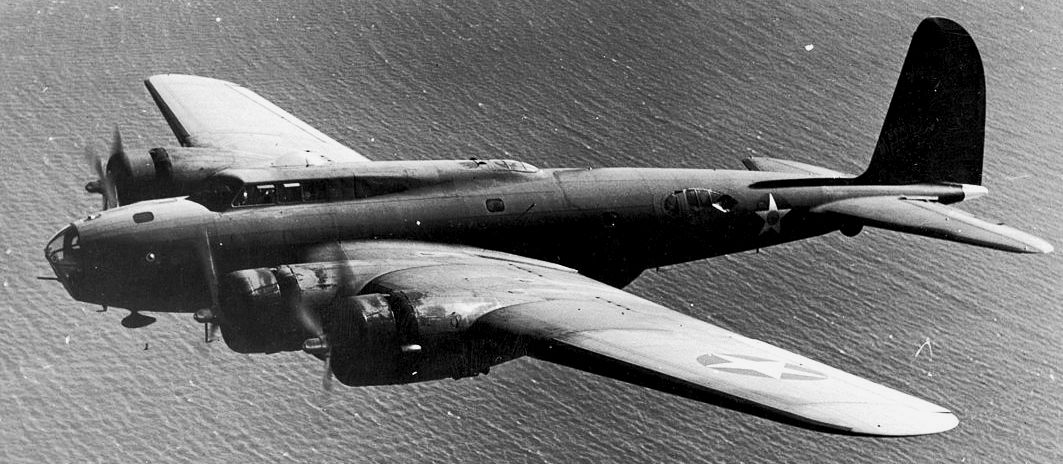
(B-17D)
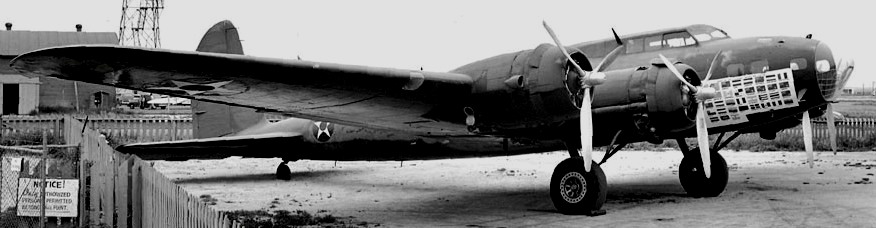
(USAAF Photos)
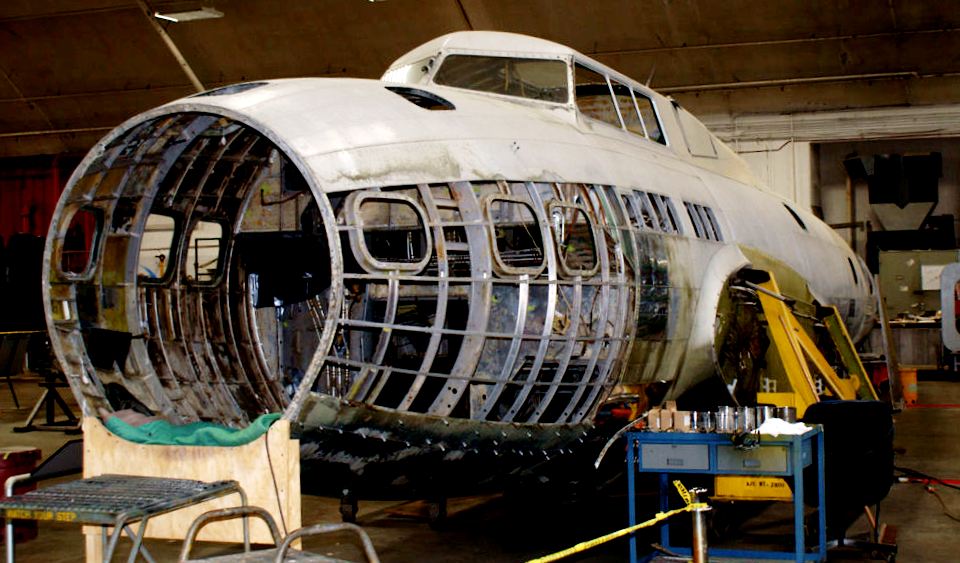
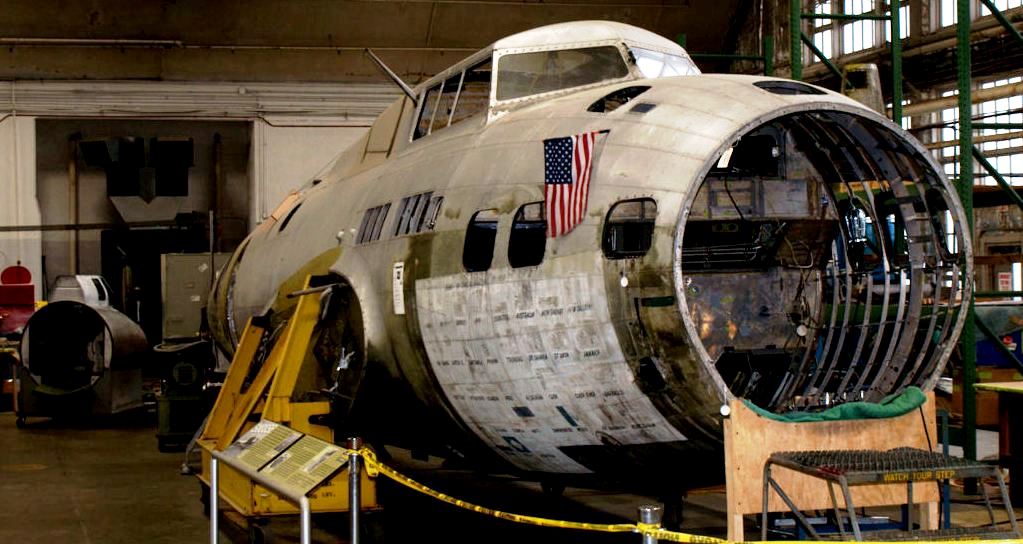
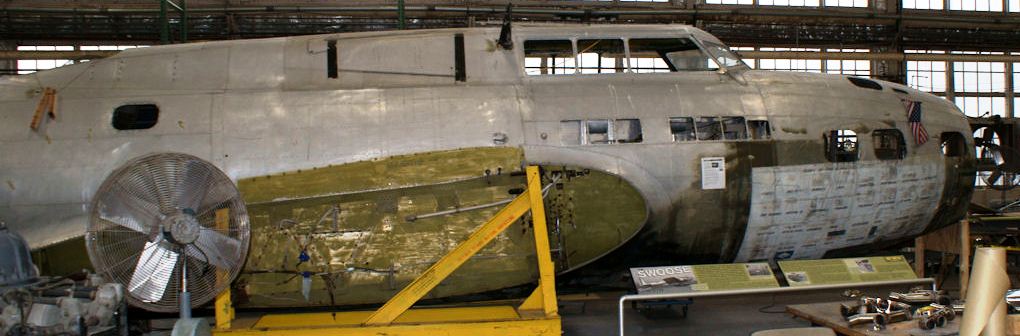
(Valder137 Photos)
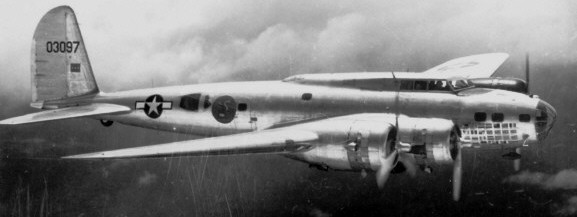
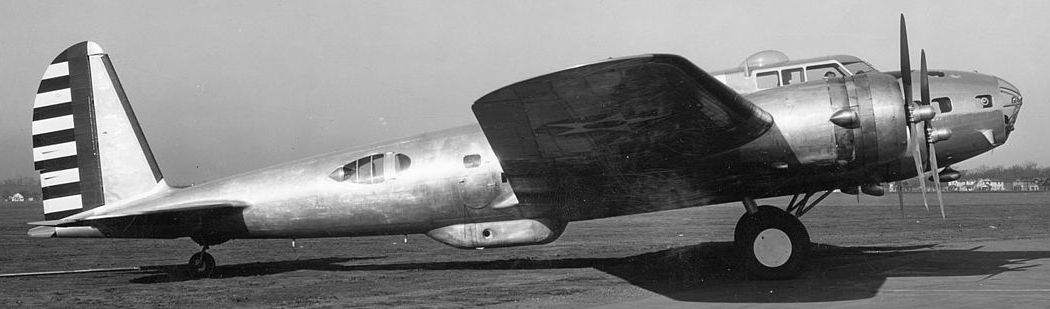
Boeing B-17D Flying Fortress (Serial No. 40-3097), C/N 2125, the “Swoose”. The Swoose saw extensive use in the Southwest Pacific theatre of the Second World War and survived to become the oldest B-17 still intact. It is the only early “shark fin” B-17 known to exist, and the only surviving B-17 to have seen action in the 1941–42 Philippines Campaign, operating on the first day of the United States entry into the war. It is on loan to the NMUSAF from the NASM.
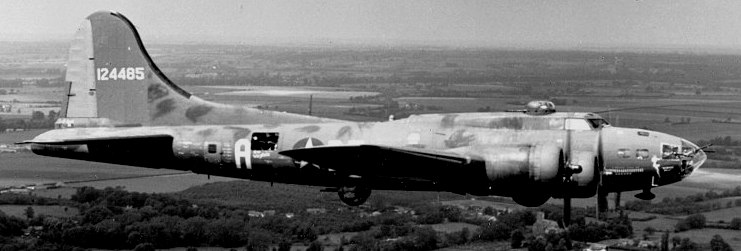
(USAAF Photo)
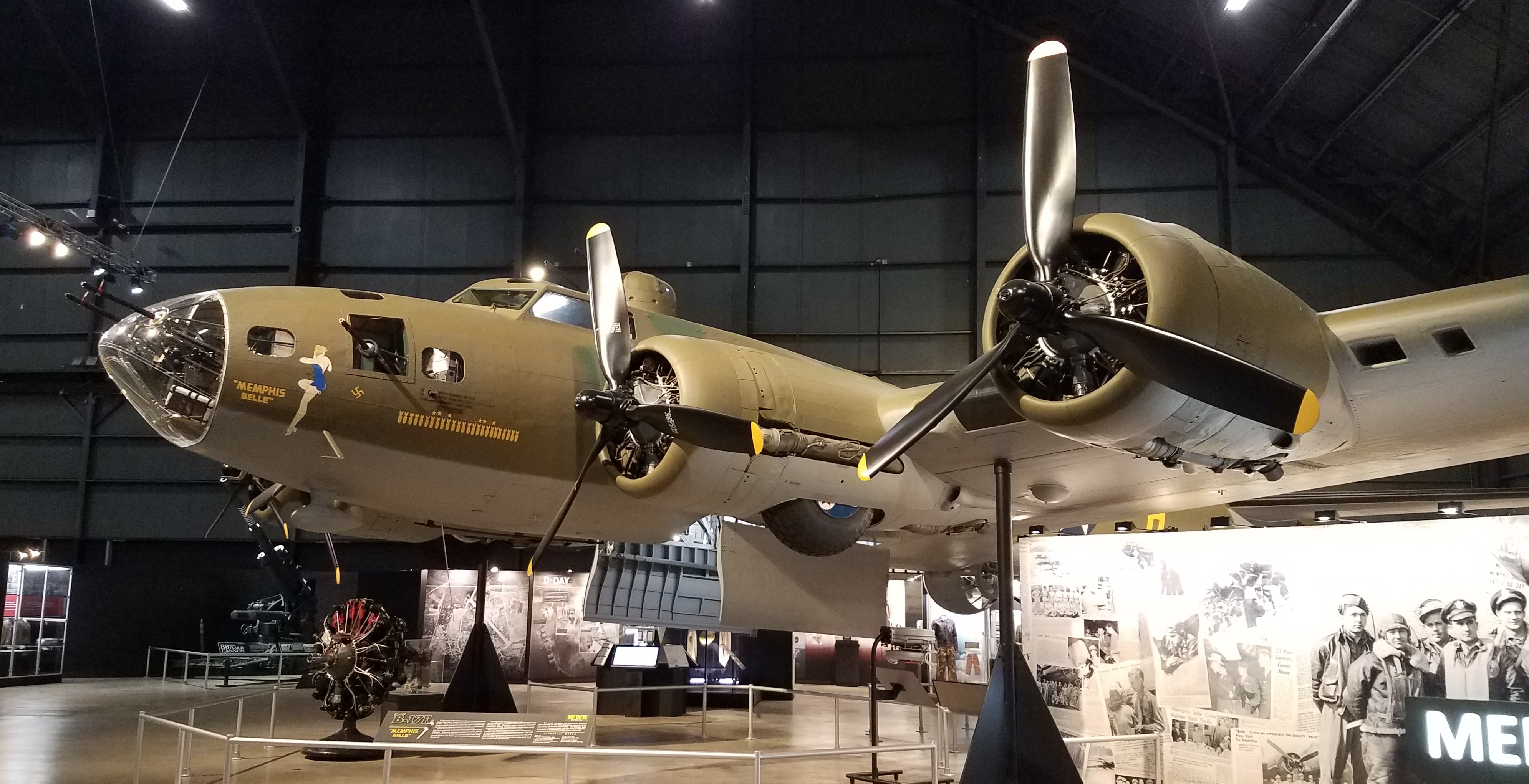
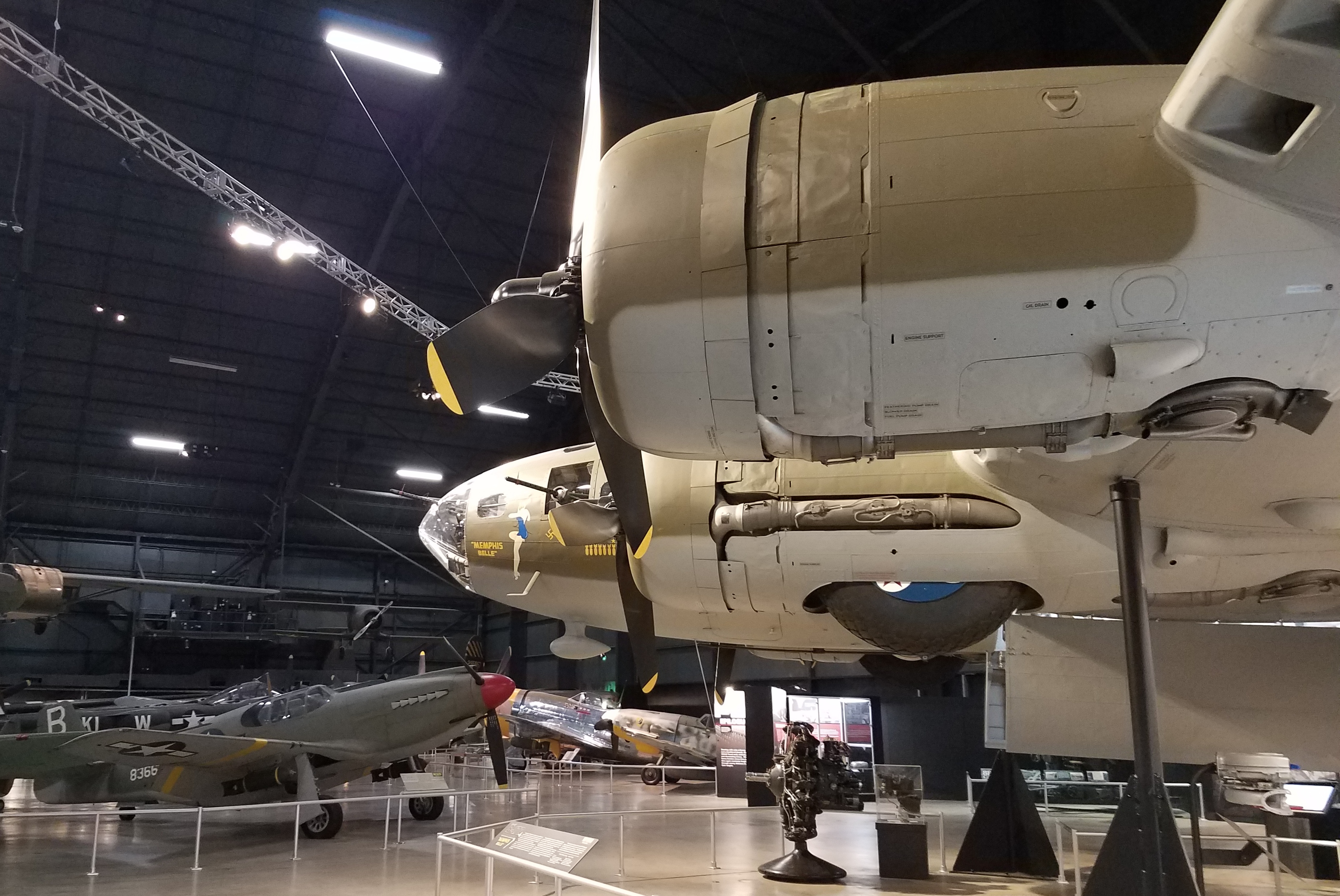
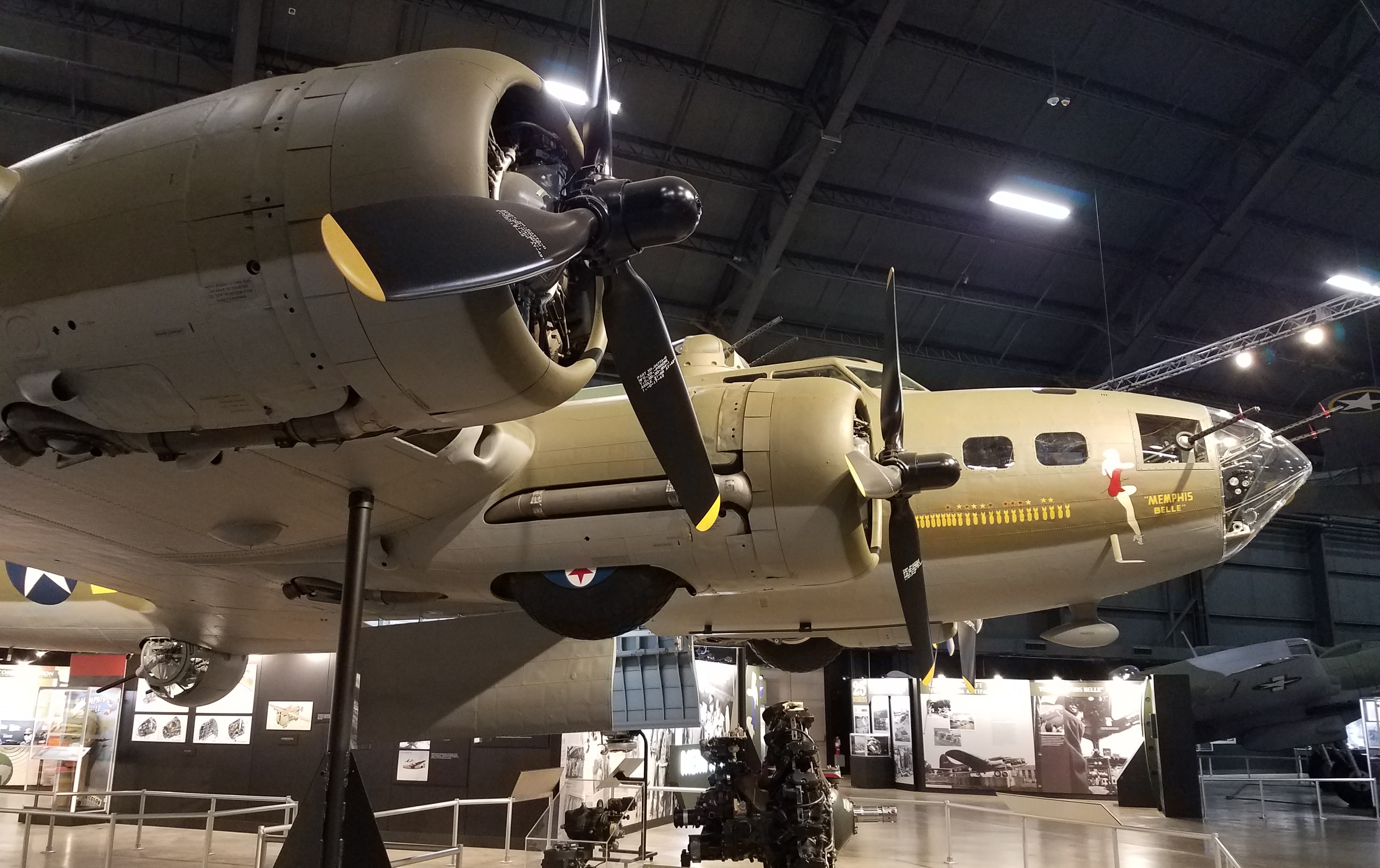
Boeing B-17 Flying Fortress “The Memphis Belle” on her way back to the United States, 9 June 1943, after successfully completing 25 missions from an airbase in England.
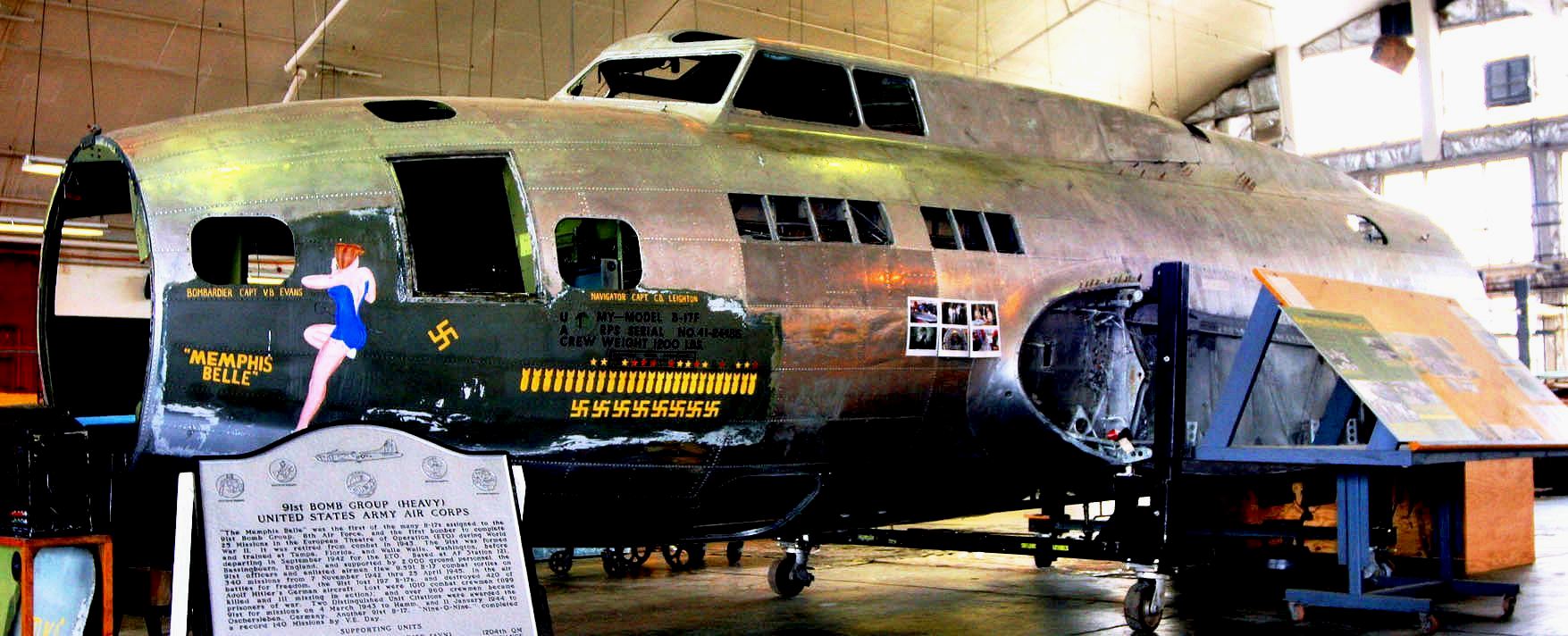
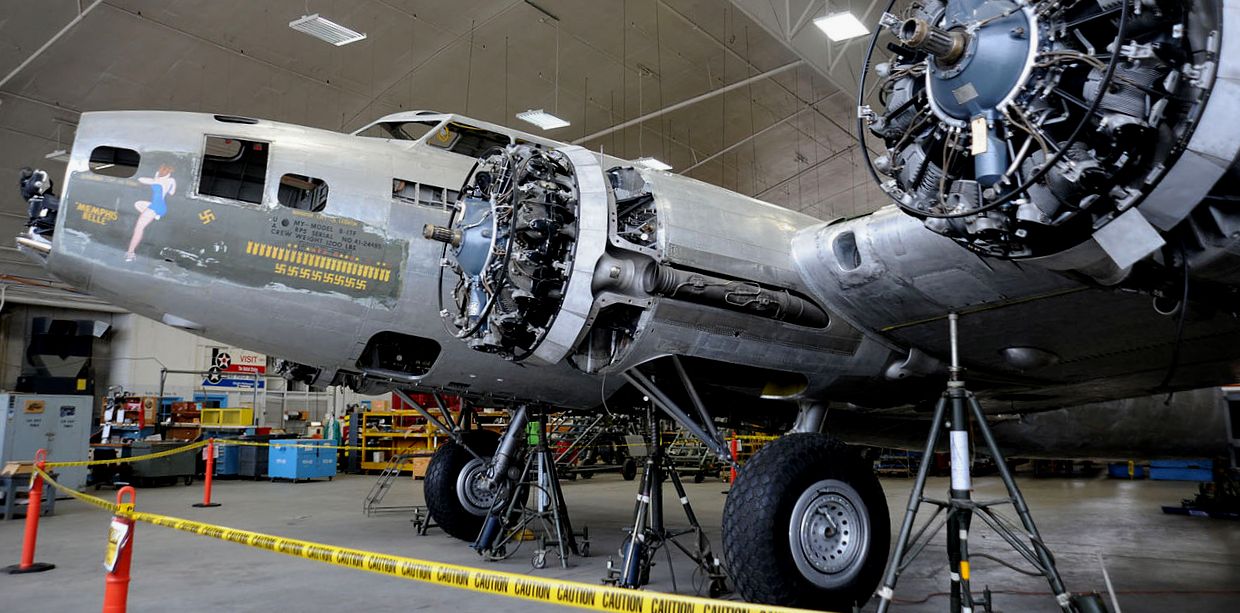
(NMUSAF Photos)
(Mark Knapp Photos)
Boeing B-17F Flying Fortress (Serial No. 41-24485), DF-A, C/N 3170 “Memphis Belle“.
Boeing B-17G Flying Fortress (Serial No. 42-32076), C/N 7190.
Boeing B-17G Flying Fortress (Serial No. 44-83624), VE, C/N 32265. On loan to the Air Mobility Command, Dover AFB.
(NMUSAF Photos)
(Greg Hume Photo)
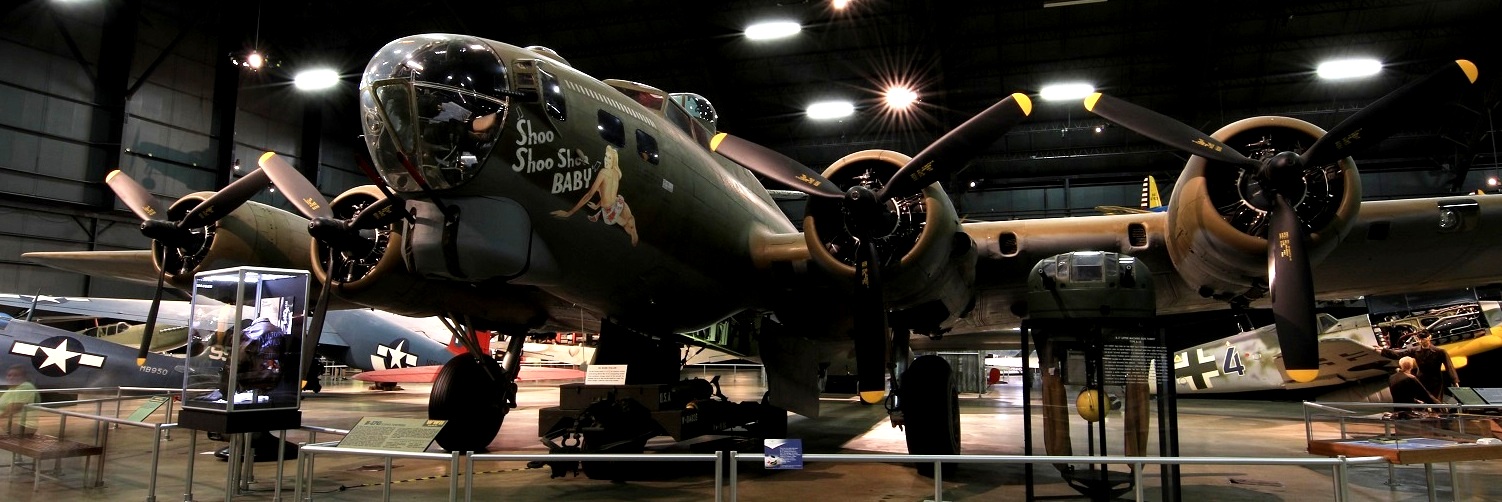
(Goshimini Photo)
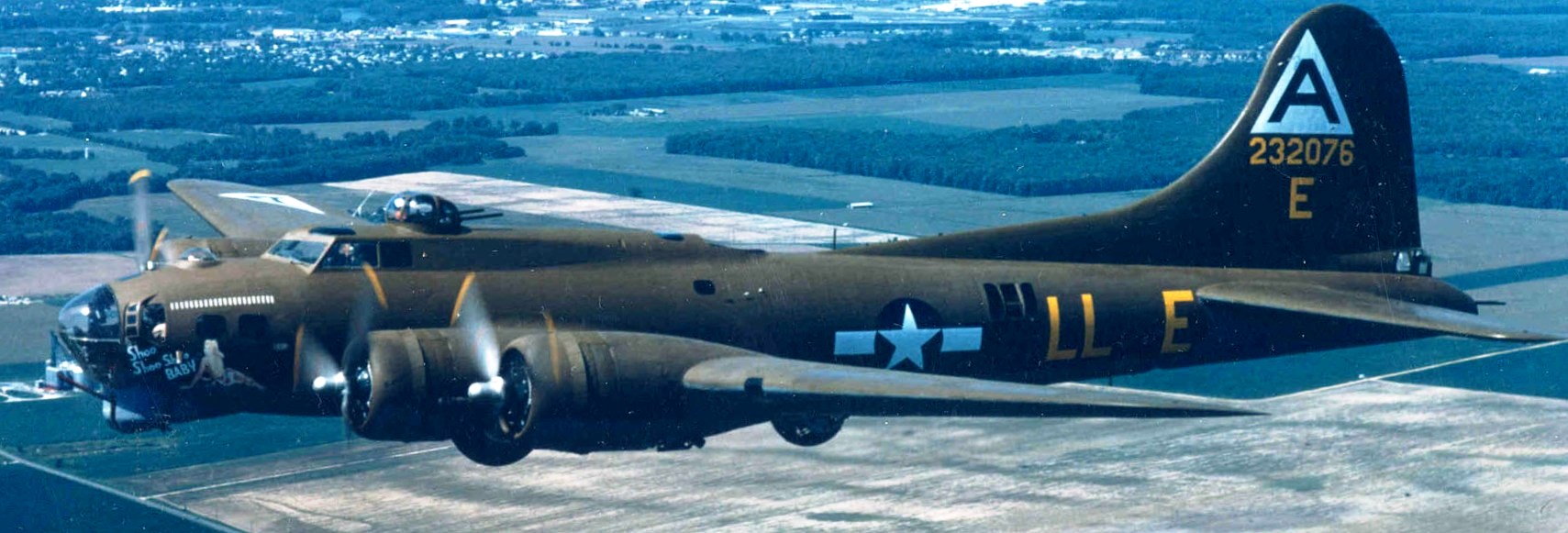
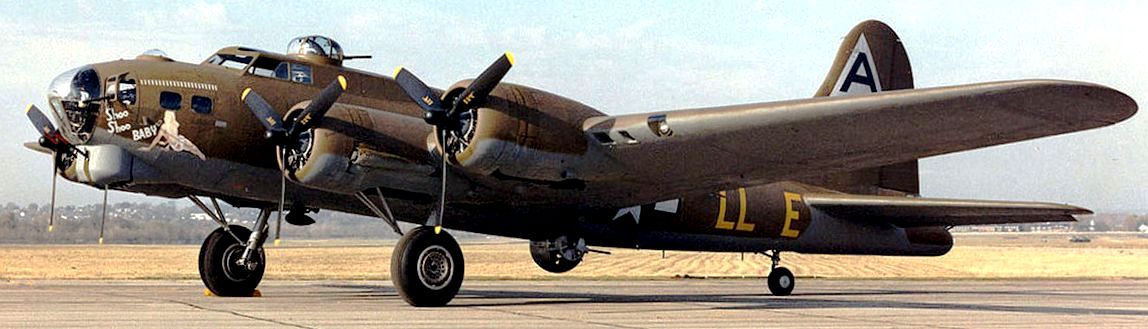
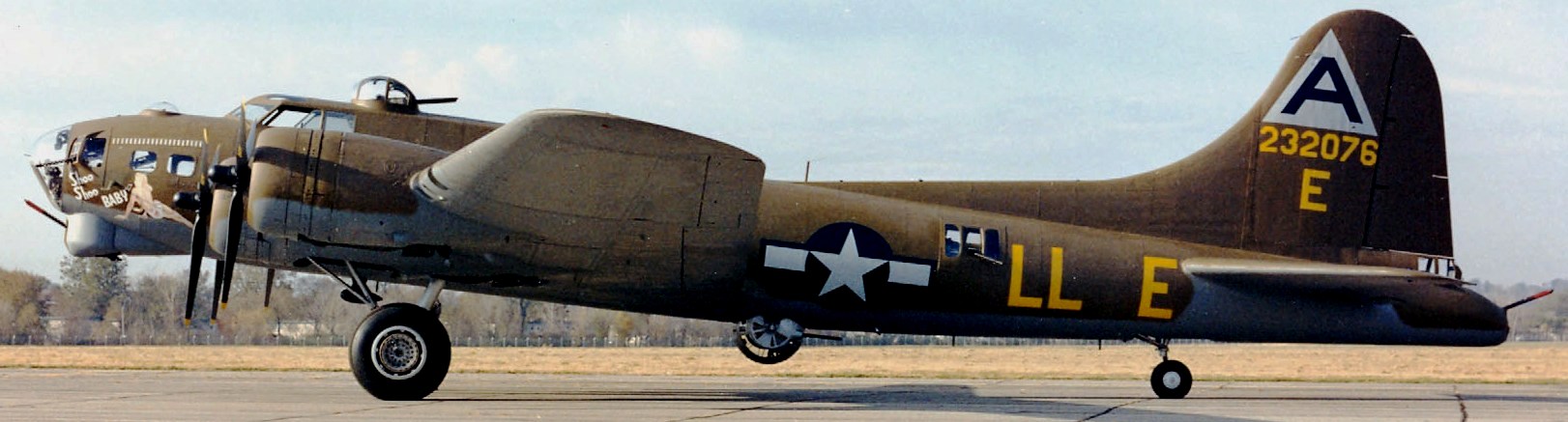
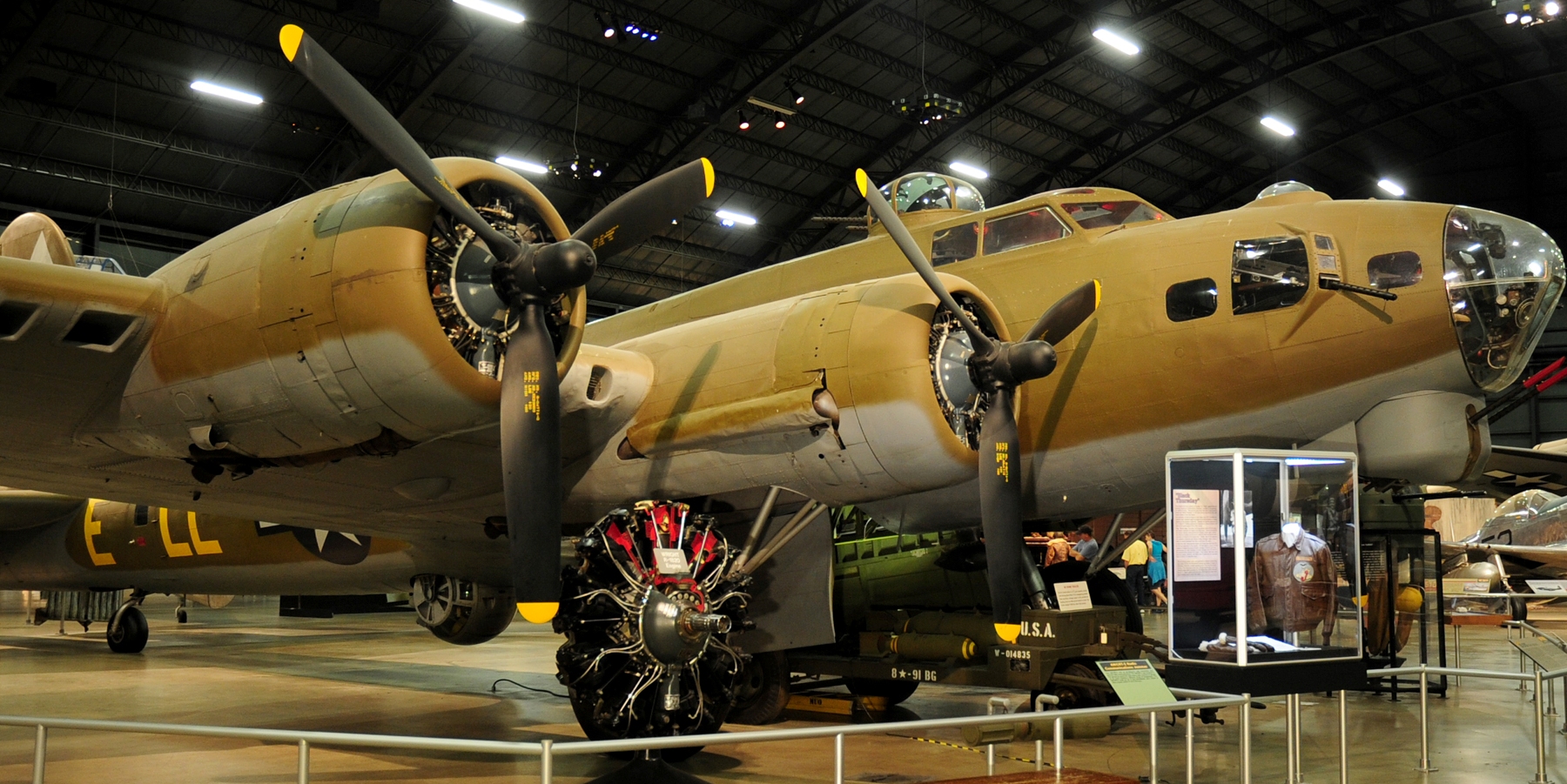
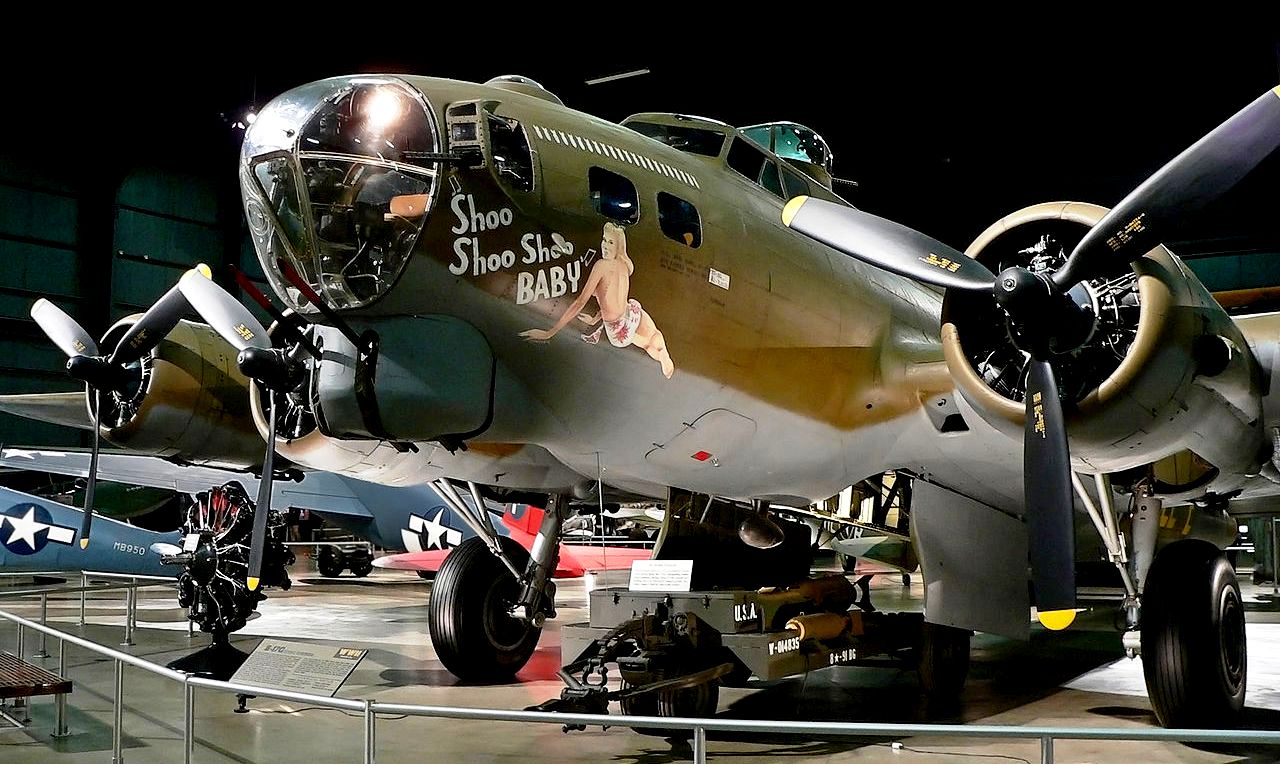
Boeing B-17G Flying Fortress (Serial No.), “Shoo Shoo Shoo Baby“. In March 1944 this B-17G was assigned to the 91st Bomb Group, “The Ragged Irregulars“, and based at Bassingbourn, England. There its crew named it Shoo Shoo Shoo Baby, after a popular song. It flew 24 combat missions during the Second World War, receiving flak damage seven times. Its first mission, to Frankfurt, Germany, was on 24 March 1944, and its last mission, to Posen, Poland, was on 29 May 29 1944, when engine problems forced it to land in neutral Sweden where the airplane and crew were interned. In 1968 Shoo Shoo Shoo Baby was found abandoned in France, and the French government presented the airplane to the USAF. In July 1978 the 512th Military Airlift Wing moved it to Dover Air Force Base, Delaware, for restoration by the volunteers of the 512th Antique Restoration Group. After a massive 10-year job of restoration to flying condition, the aircraft was flown to the museum in October 1988.
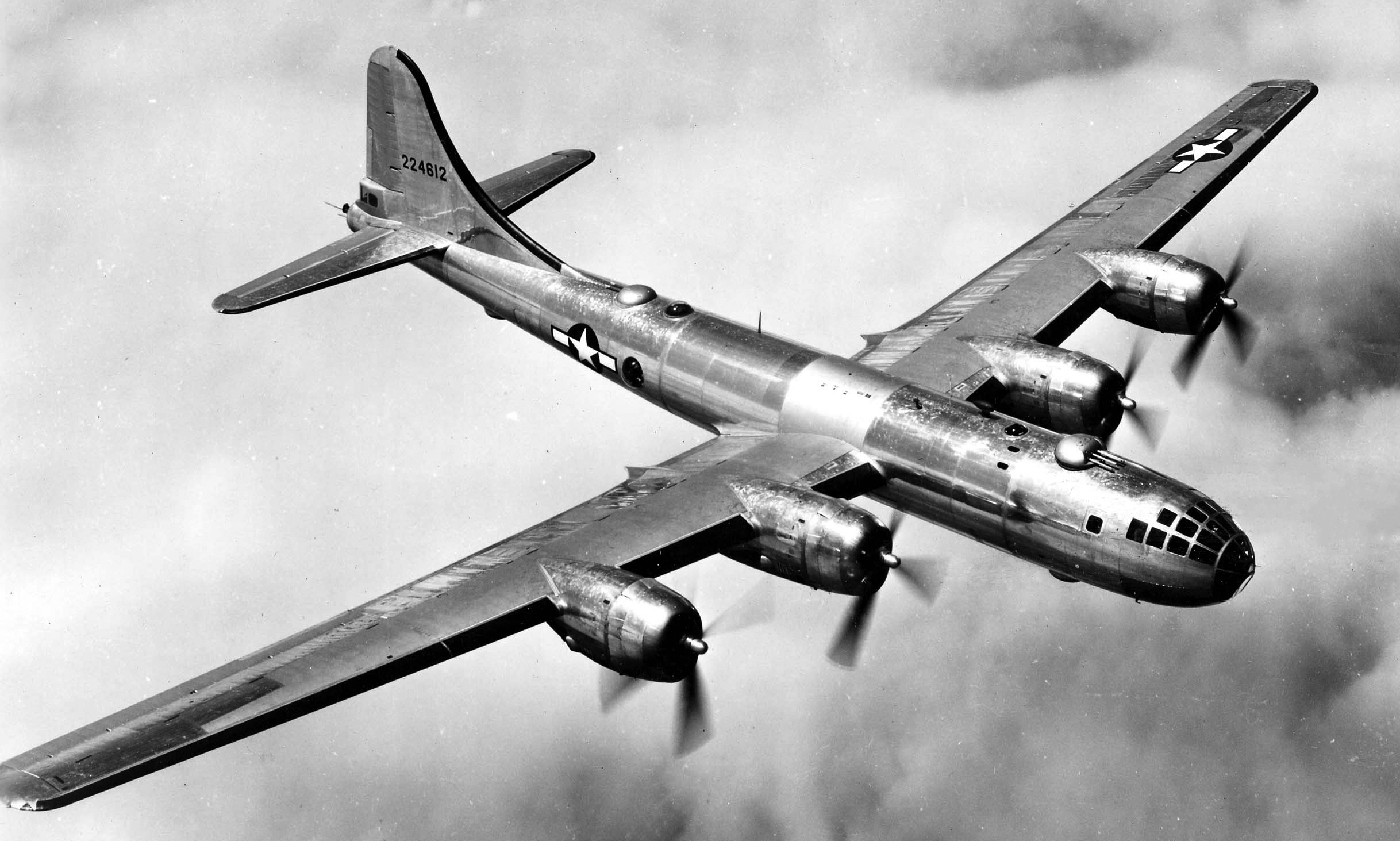
(B-29, USAAF Photo)
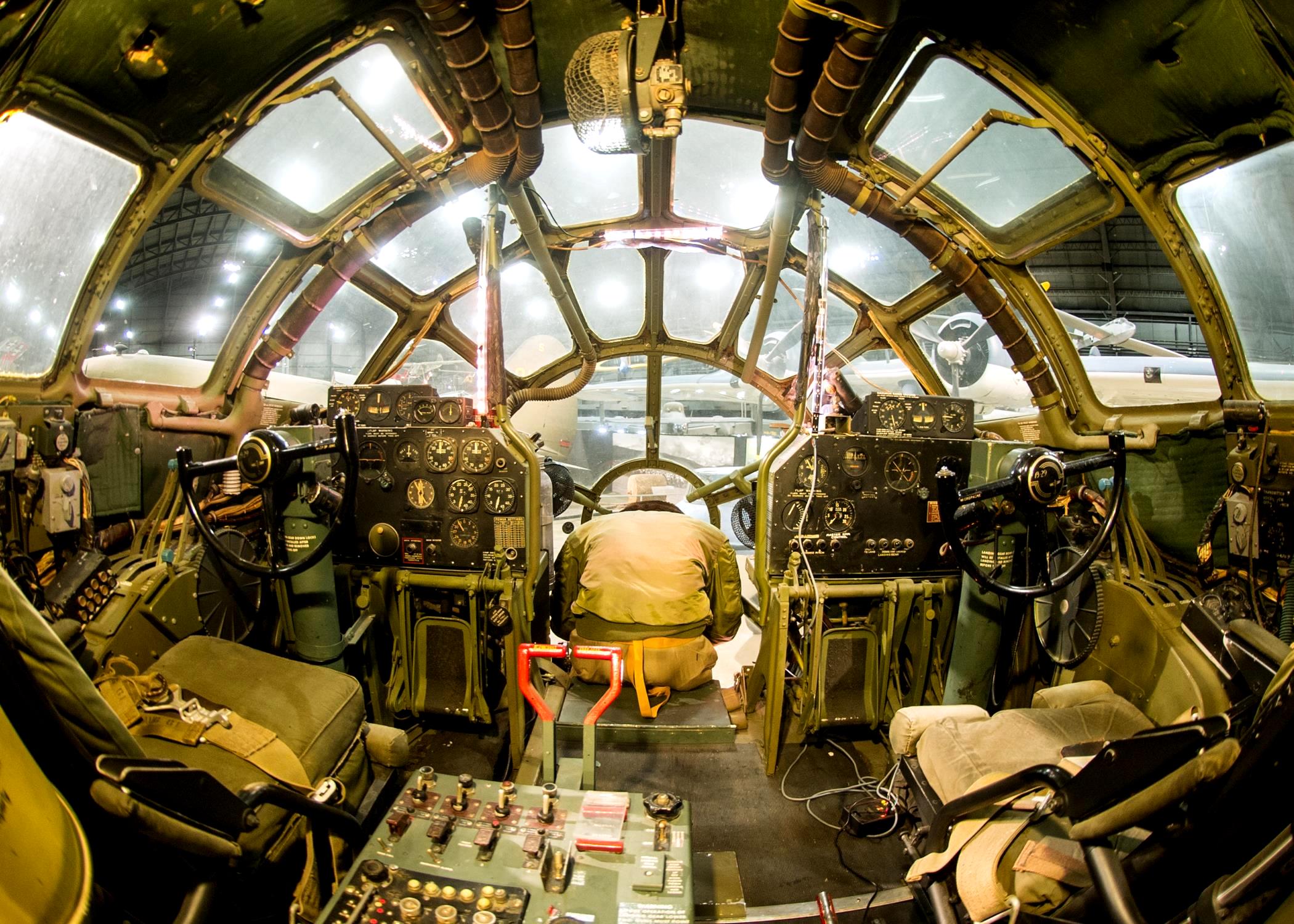
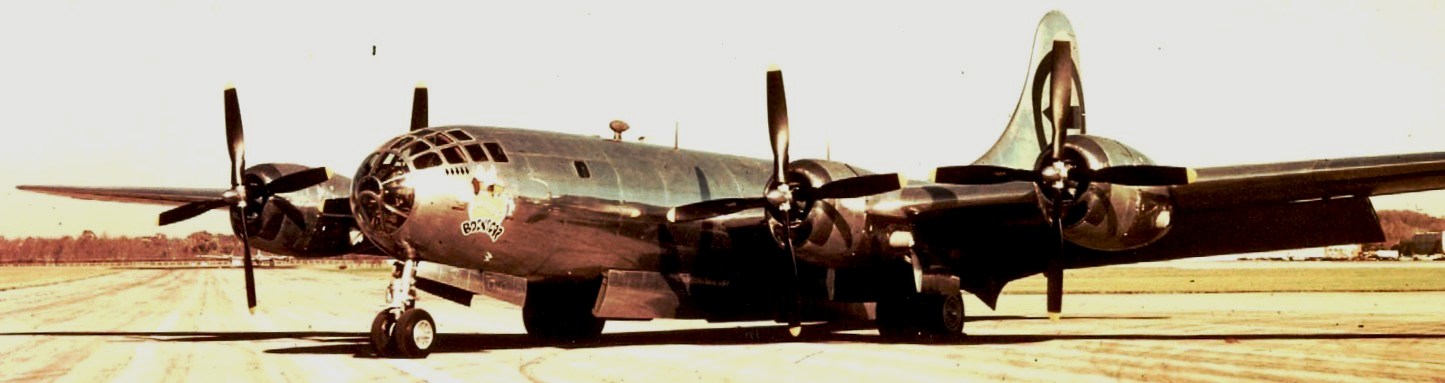
(NMUSAF Photos)
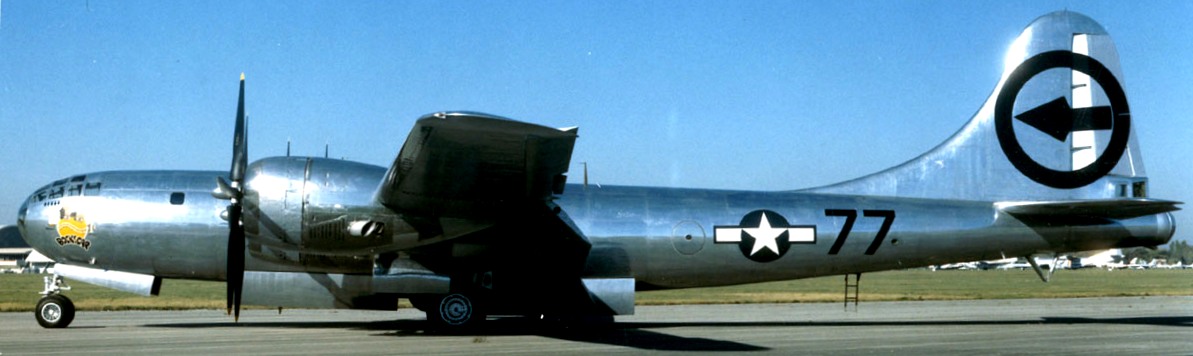
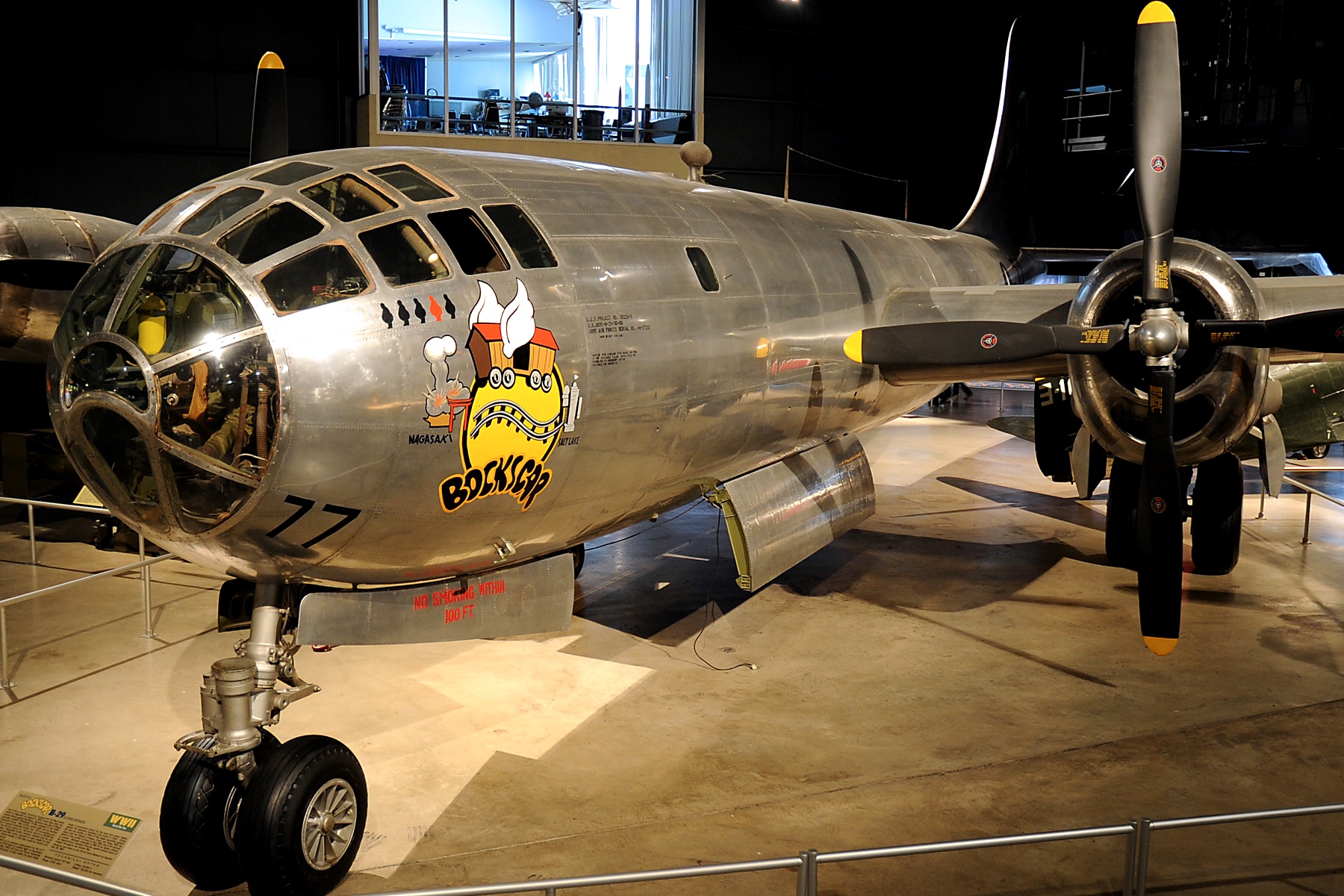
Boeing B-29 Superfortress (Serial No. 44-27297), 77, C/N 3615, “Bock’s Car“. The B-29 on display in the NMUSAF, Bockscar, dropped the Fat Man atomic bomb on Nagasaki on 9 August 1945, three days after the atomic attack against Hiroshima. Bockscar was one of 15 specially modified “Silverplate” B-29s assigned to the 509th Composite Group. Bockscar was flown to the museum on 26 Sep 1961.
(NMUSAF Photo)
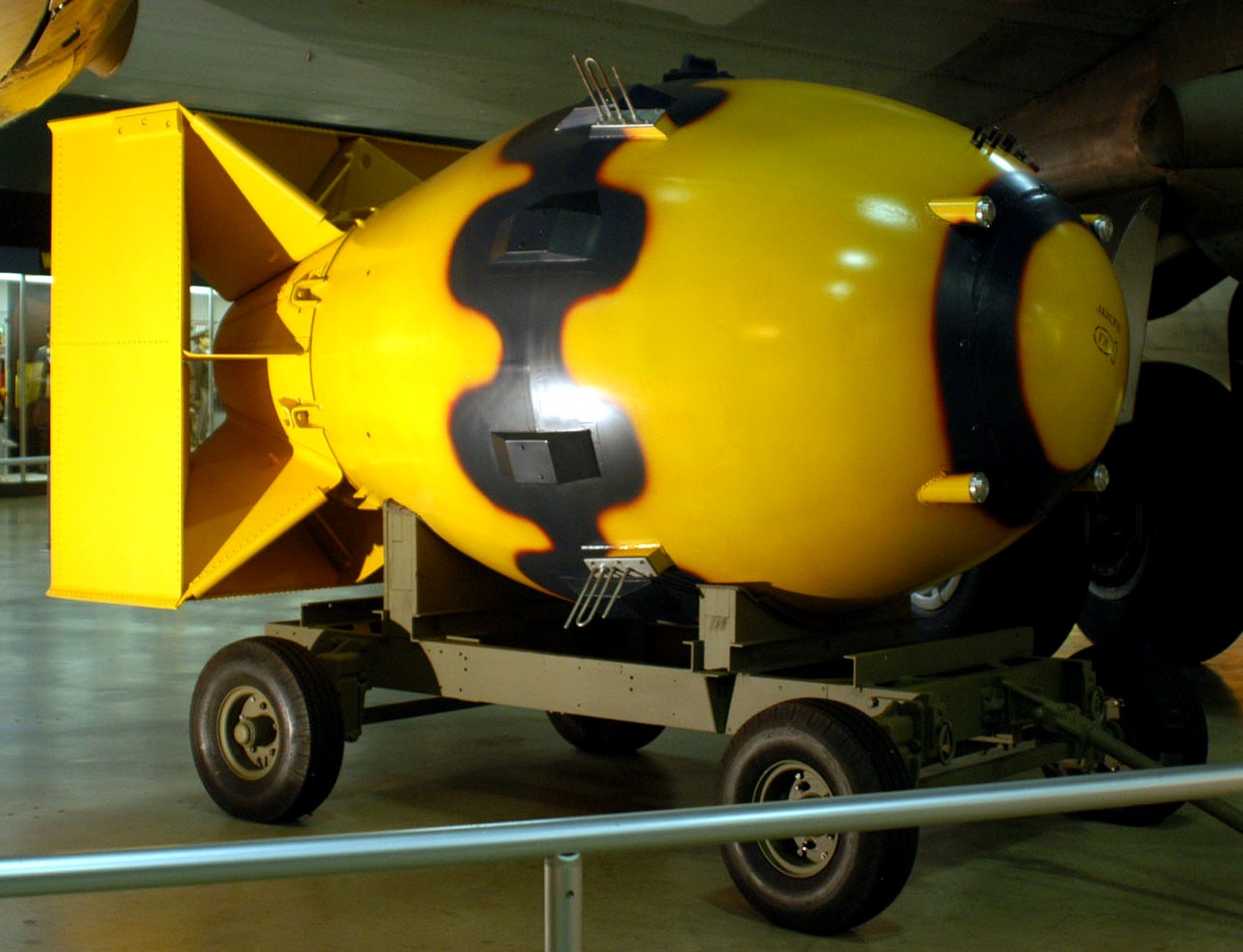
Fat Man Atomic Bomb under Bock’s Car.
Boeing B-29A Superfortress (Serial No. 44-62139), C/N 11616, fuselage only.
(NMNA Photo)
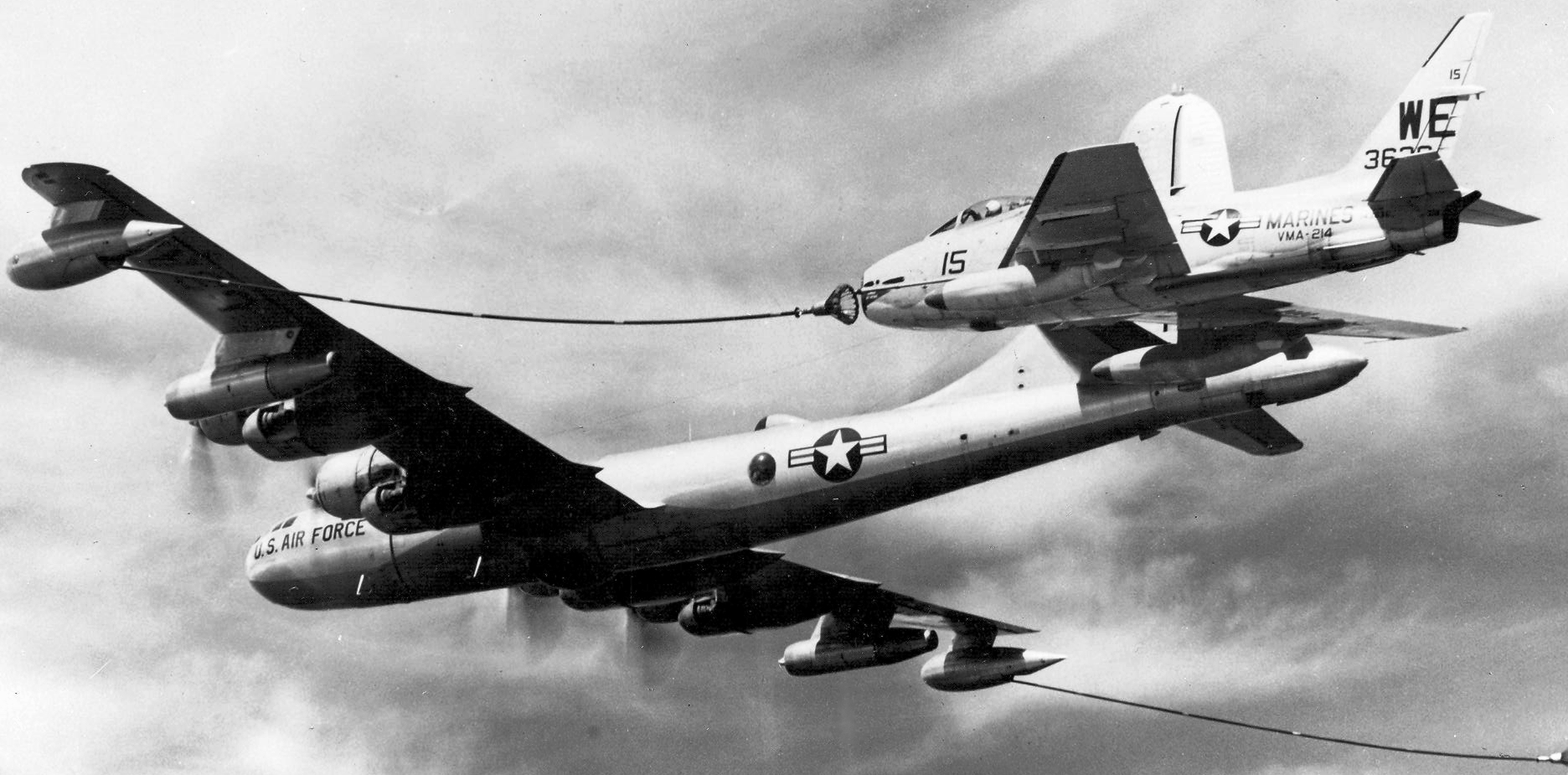
Boeing KB-50J refueling U.S. Marine Corps North American FJ-4B Fury (BuNo. 143636) of Marine Attack Squadron VMA-214 Black Sheep, 1960.
Boeing KB-50J Superfortress (Serial No. 49-0389), painted as (Serial No. 48-0114), C/N 16165.
(USAAF Photo)
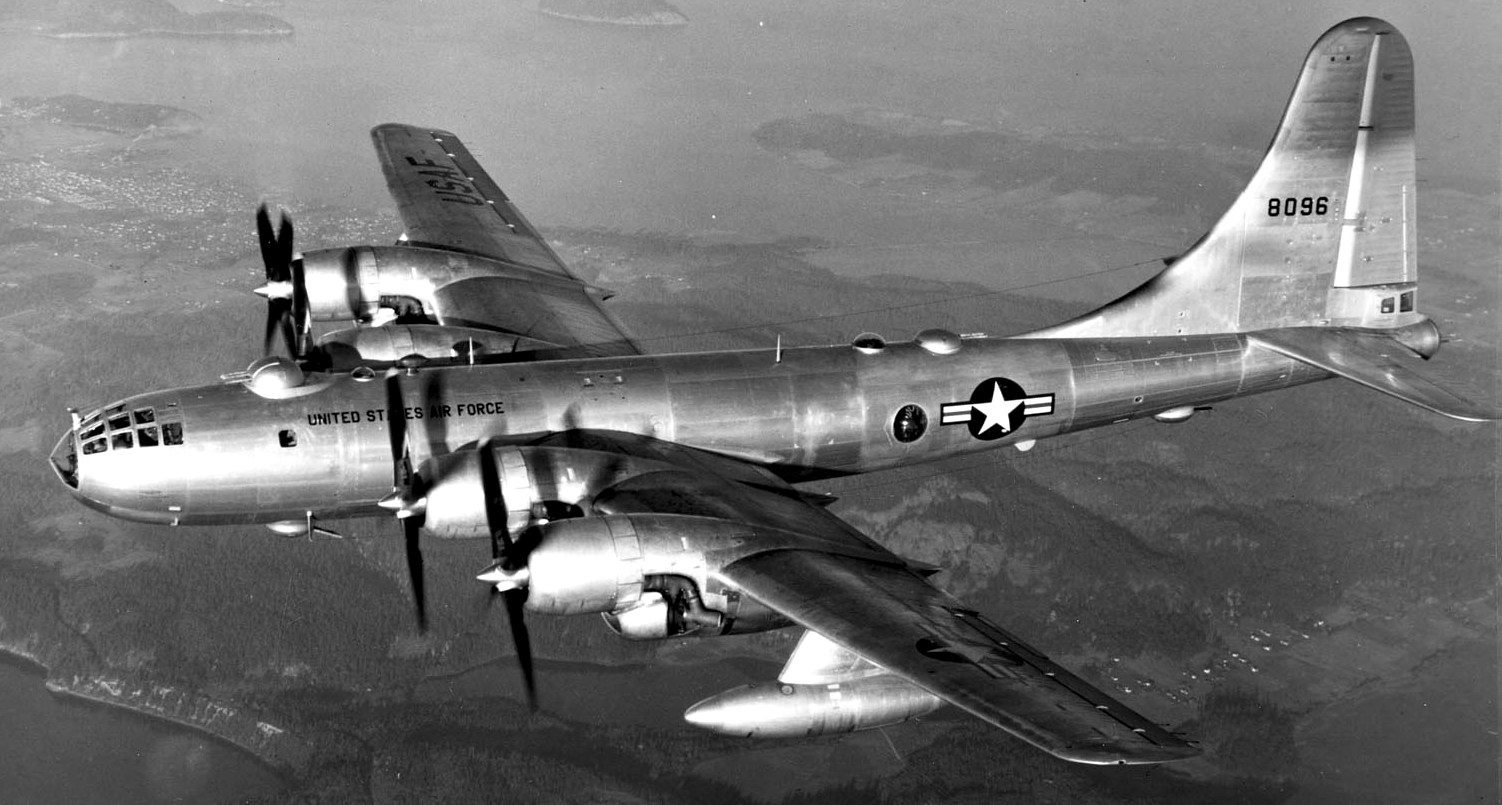
Boeing B-50D-95-BO, (Serial No. 49- 8096), ca 1946.
(USAF Photo)
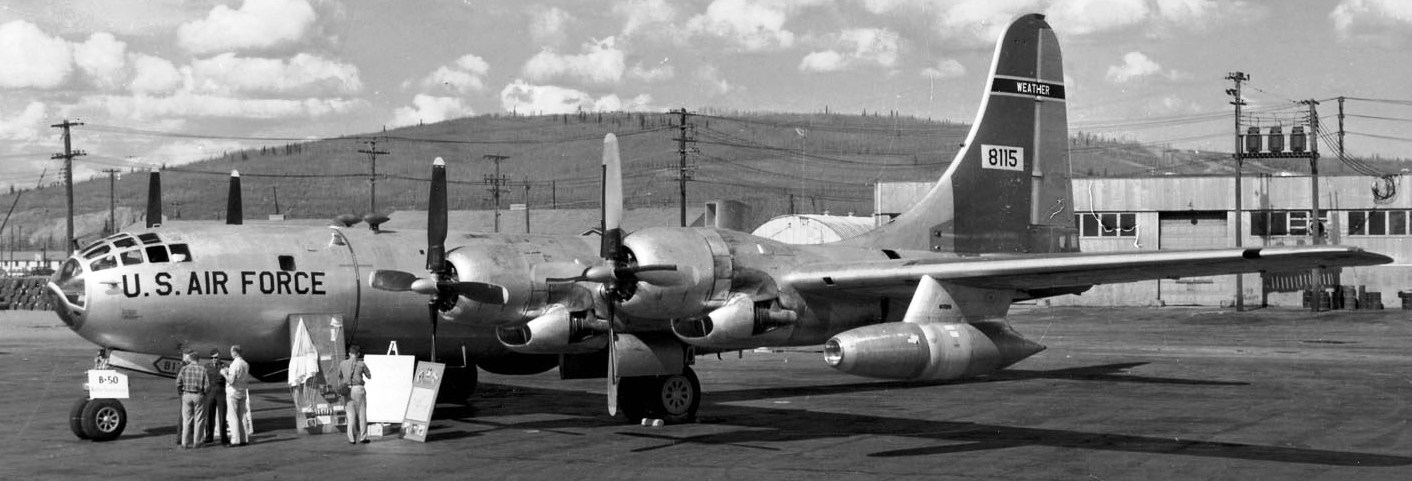
Boeing WB-50D (Serial No._48-115), ca 1949.
(Greg5030 Photo)
(NMUSAF Photos)
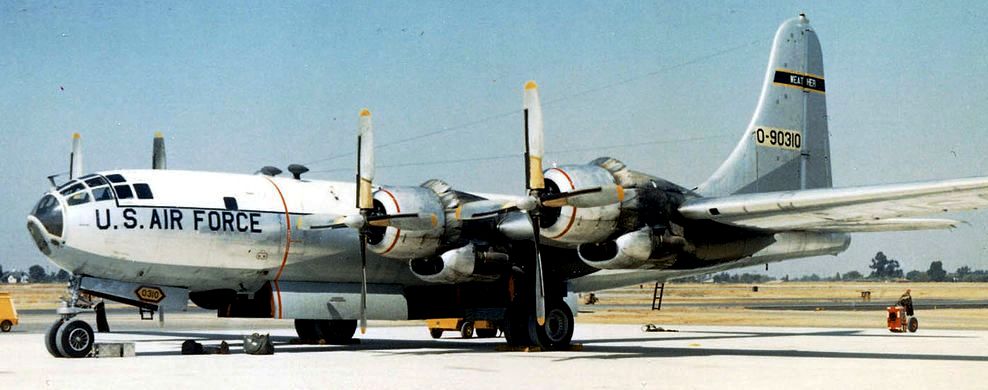
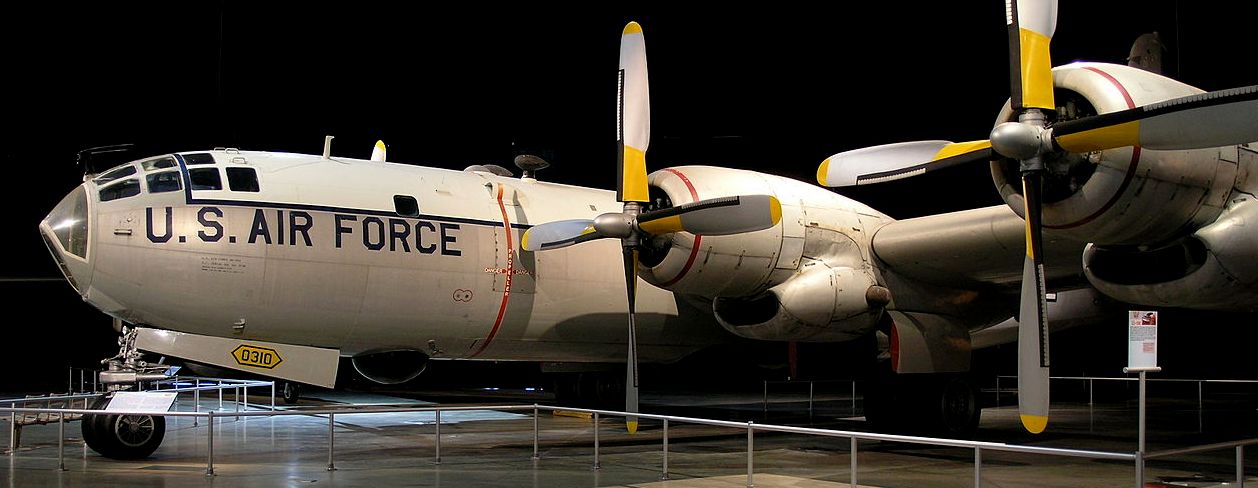
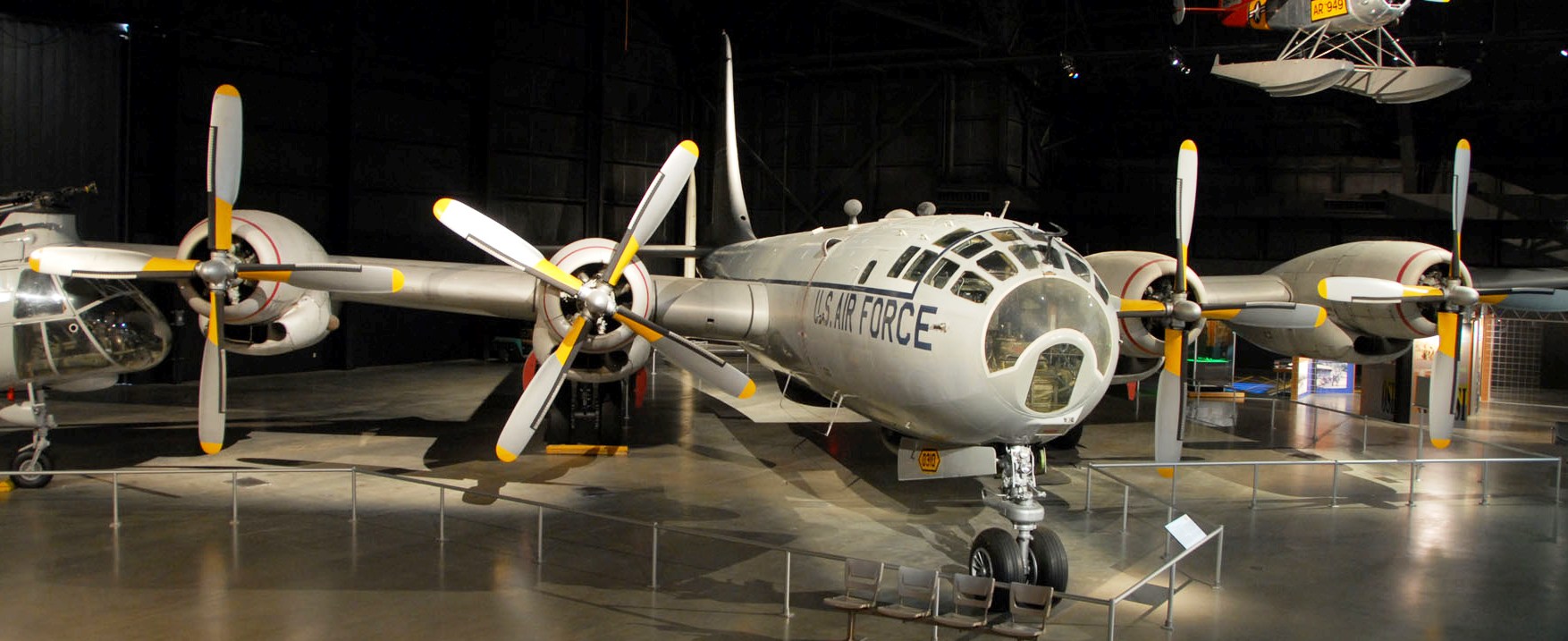
Boeing WB-50D Superfortress (Serial No. 49-0310), C/N 16086. In 1953 the USAF decided to replace its aging WB-29 weather reconnaissance aircraft with modified B-50Ds. Stripped of their defensive armament, 36 B-50Ds were equipped for long-range weather reconnaissance missions with high-altitude atmospheric samplers, Doppler radar, weather radar and a bomb-bay fuel tank for extended range. Some WB-50 aircraft also flew missions to sample the air for radioactive particles indicating that the Soviet Union had detonated a nuclear weapon. The WB-50D aircraft accomplished special weather reconnaissance missions with SAC’s 97th Bomb Wing until April 1955, when all WB-50s went to the Air Weather Service. In 1963 the USAF started phasing out the WB-50Ds, and in 1965 the aircraft on display in the NMUSAF became the last WB-50D to be retired. It was delivered to the museum in 1968.
(USAF Photo)
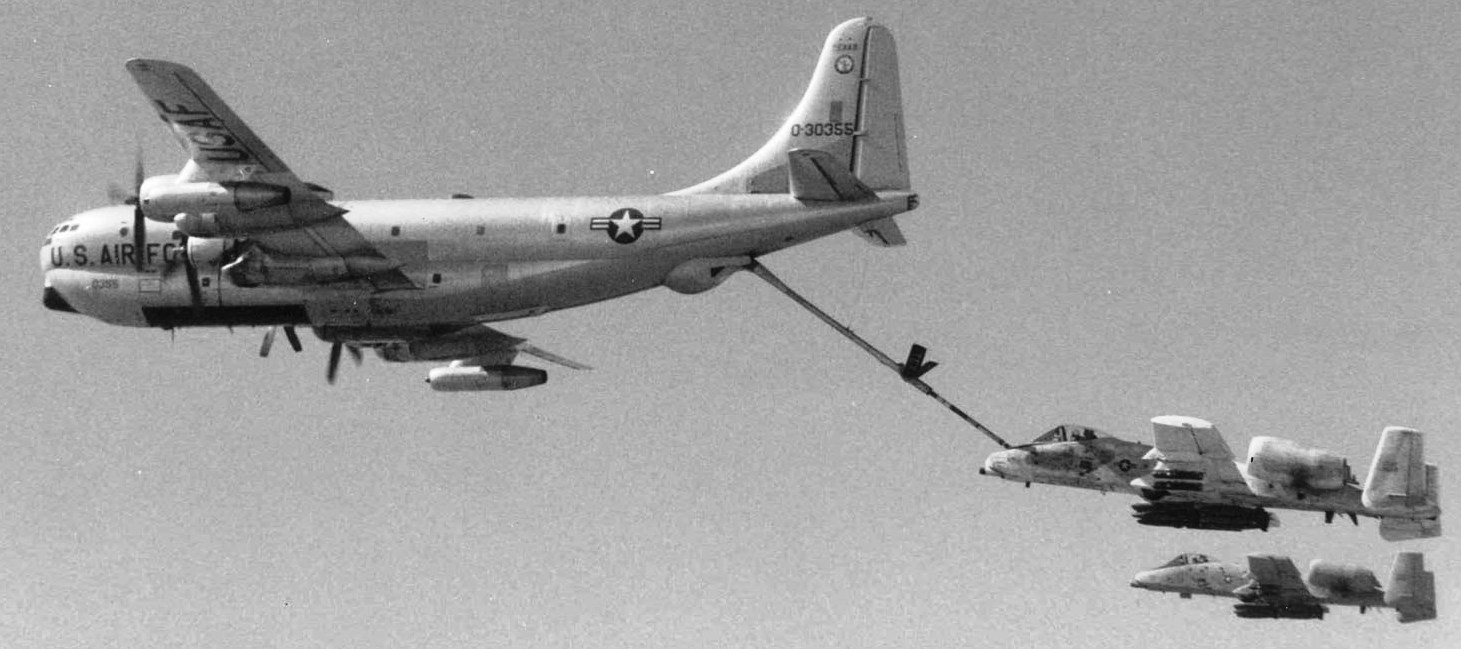
Boeing KC-97L Stratotanker (Serial No. 53-0355) of the Texas Air National Guard refueling two Fairchild Republic A-10A Thunderbolt IIs, ca 1975.
(Clemens Vasters Photos)
(Mike Freer – Touchdown-aviation Photo)
(NMUSAF Photo)
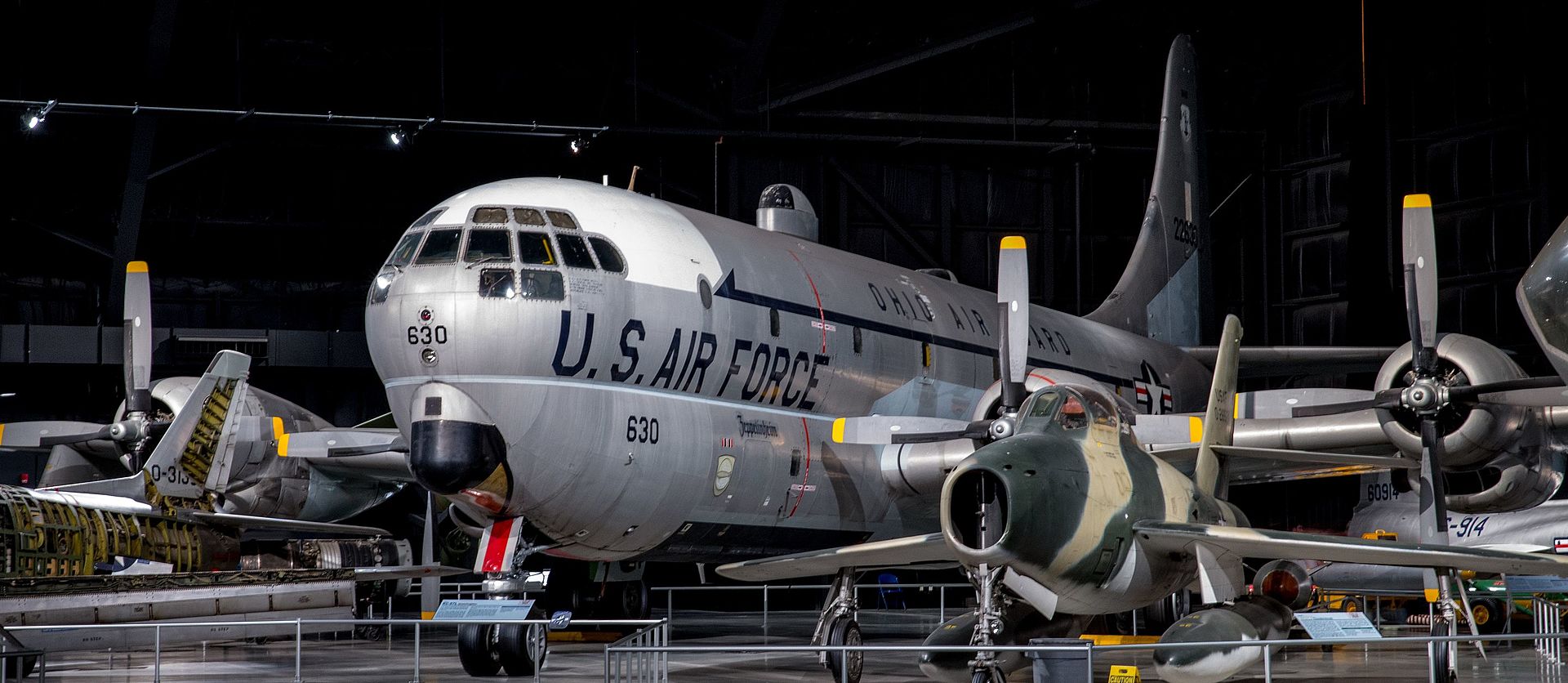
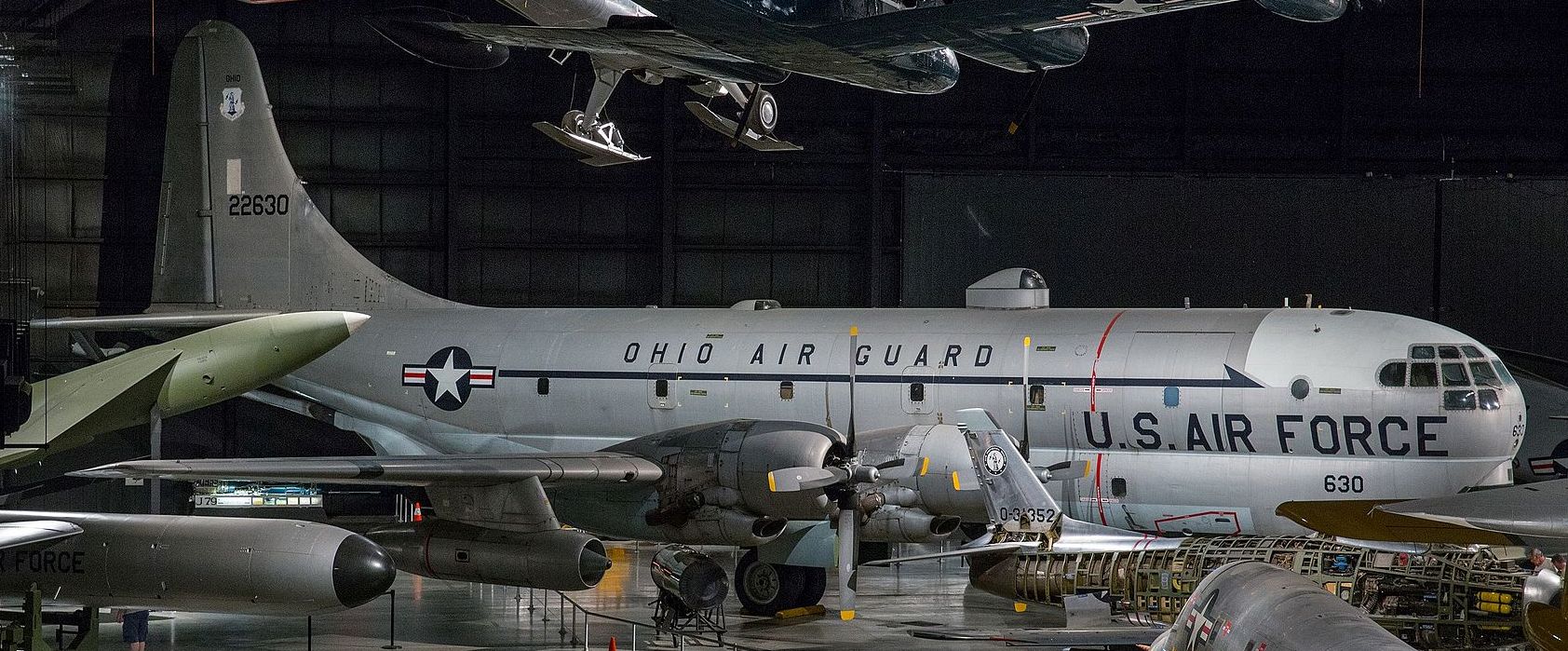
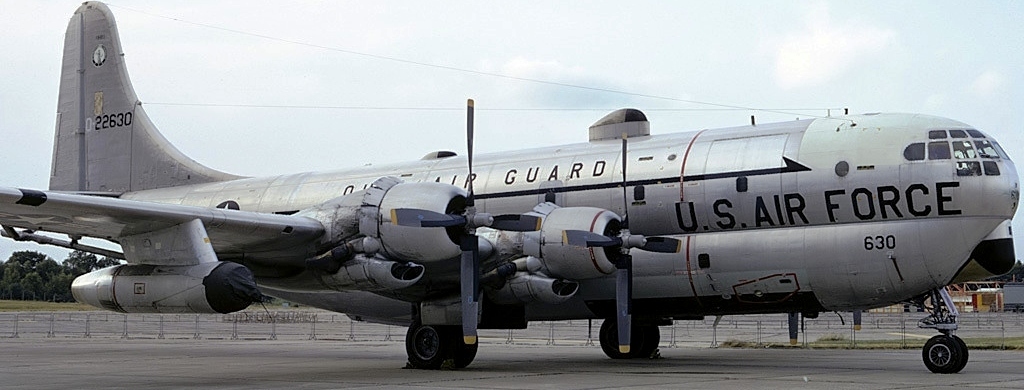
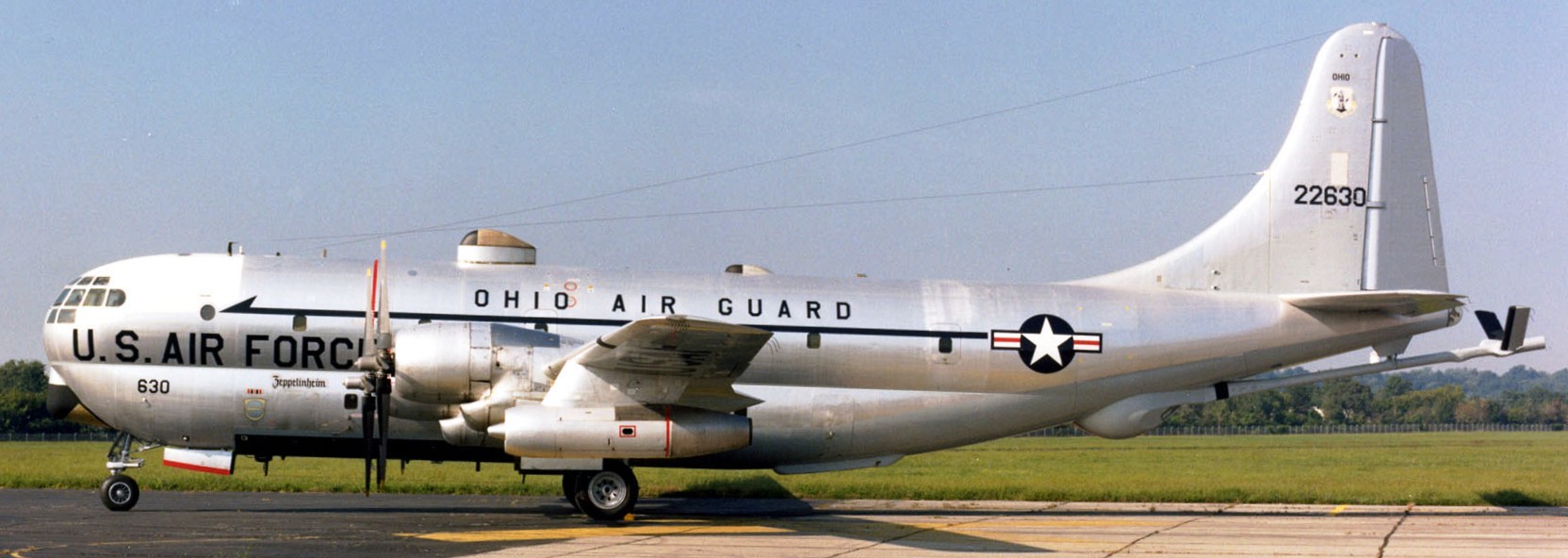
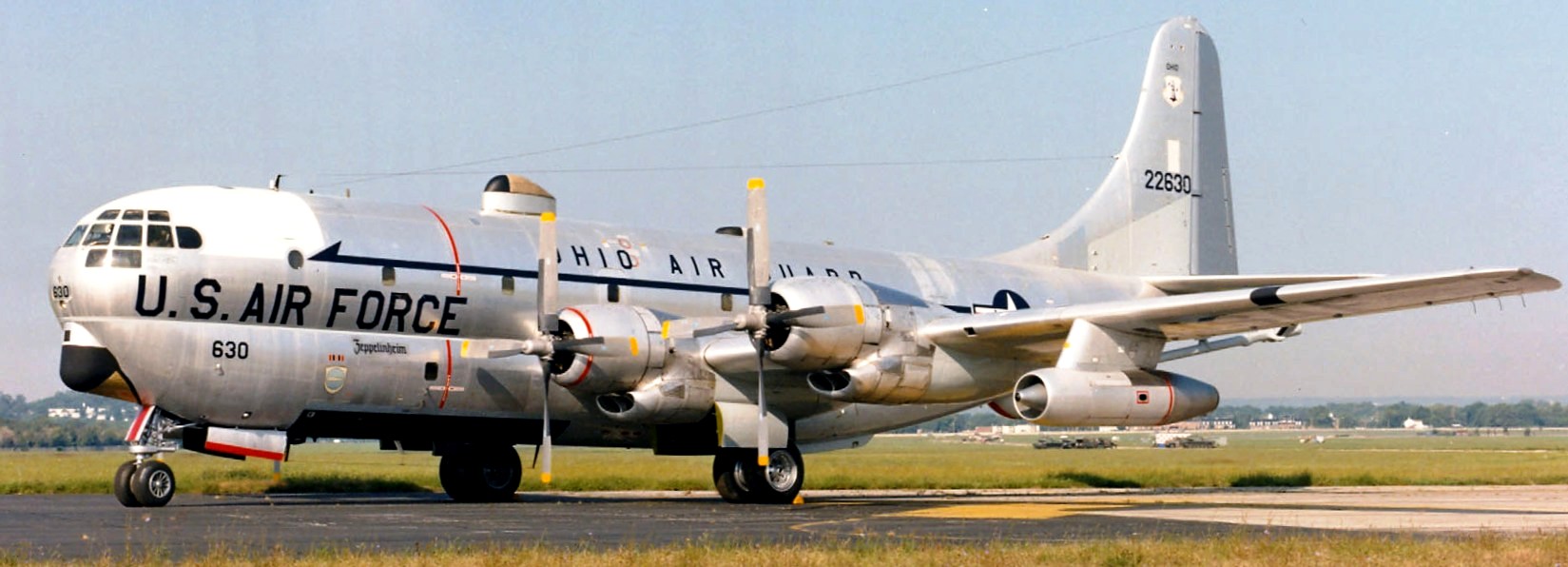
Boeing KC-97L Stratofreighter (Serial No. 52-2630). The aircraft on display in the NMUSAF was flown by the 160th Air Refueling Group of the Ohio Air National Guard. It is named the “Zeppelinheim”, and was flown to the museum in August 1976.