Warplanes preserved in the USA: Ohio: Dayton, National Museum of the USAF: Noorduyn UC-64A Norseman
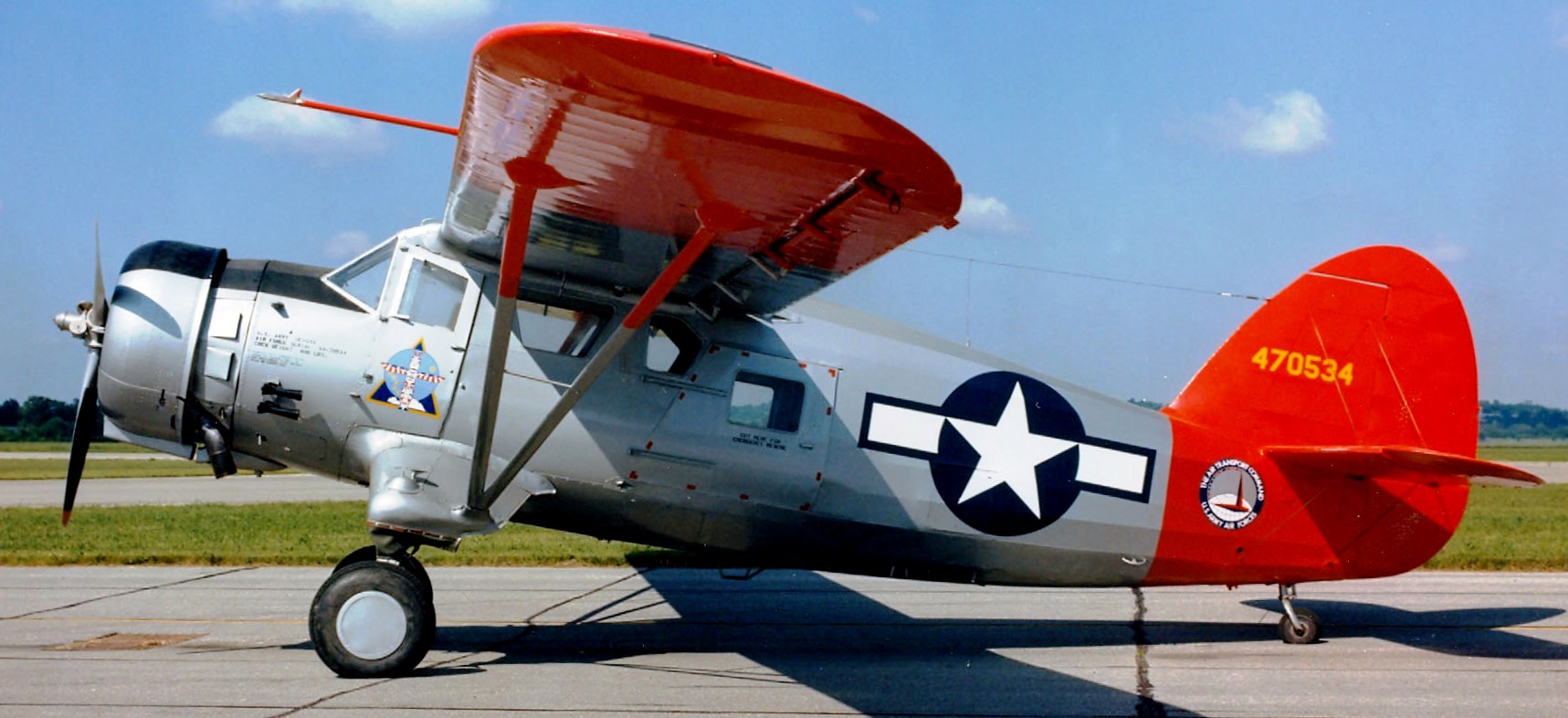
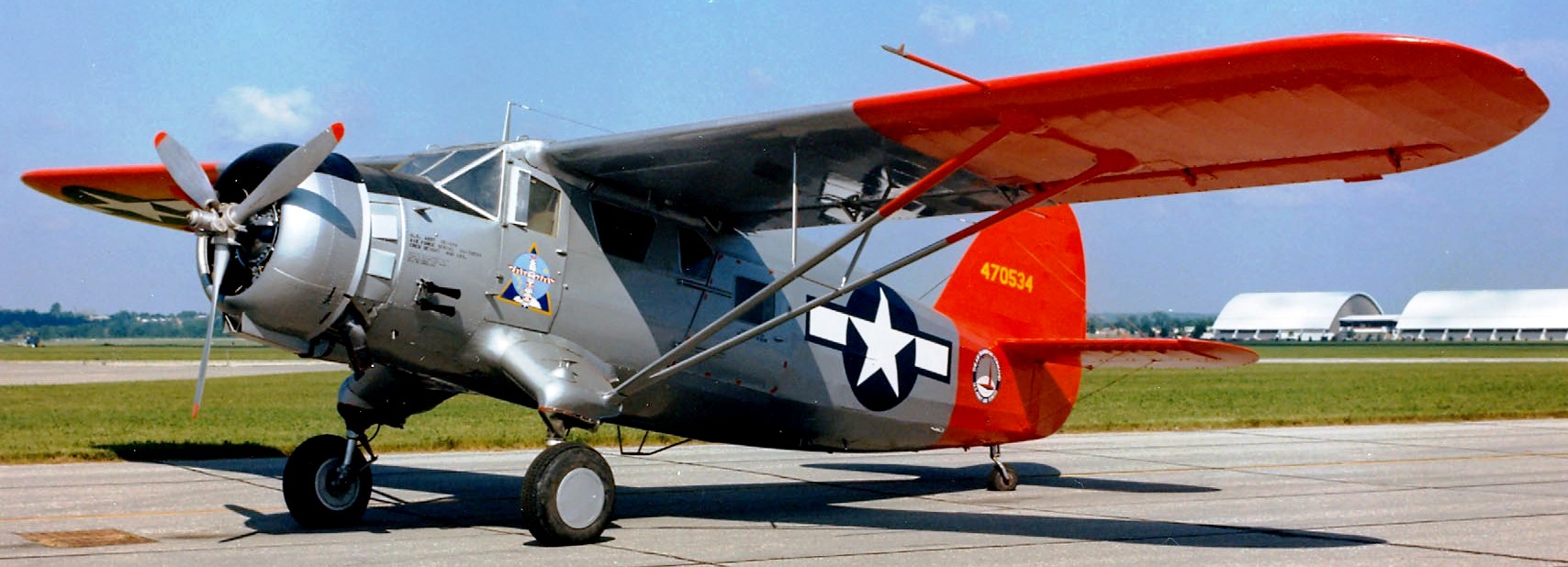
(NMUSAF Photos)
Noorduyn UC-64A Norseman (Serial No. 44-70296), painted as (Serial No. 44-70534), C/N 561. The Norseman on display in the NMUSAF was acquired by the museum in March 1981. It is marked as a Norseman based in Alaska late in the Second World War.
The Noorduyn Norseman, also known as the C-64 Norseman, is a Canadian single-engine bush plane designed to operate from unimproved surfaces. Distinctive stubby landing gear protrusions from the lower fuselage make it easily recognizable.
Introduced in 1935, the Norseman remained in production for almost 25 years with over 900 produced. A number of examples remain in commercial and private use to this day. Norseman aircraft are known to have been registered or operated in 68 countries and also have been based and flown in the Arctic and Antarctic regions.
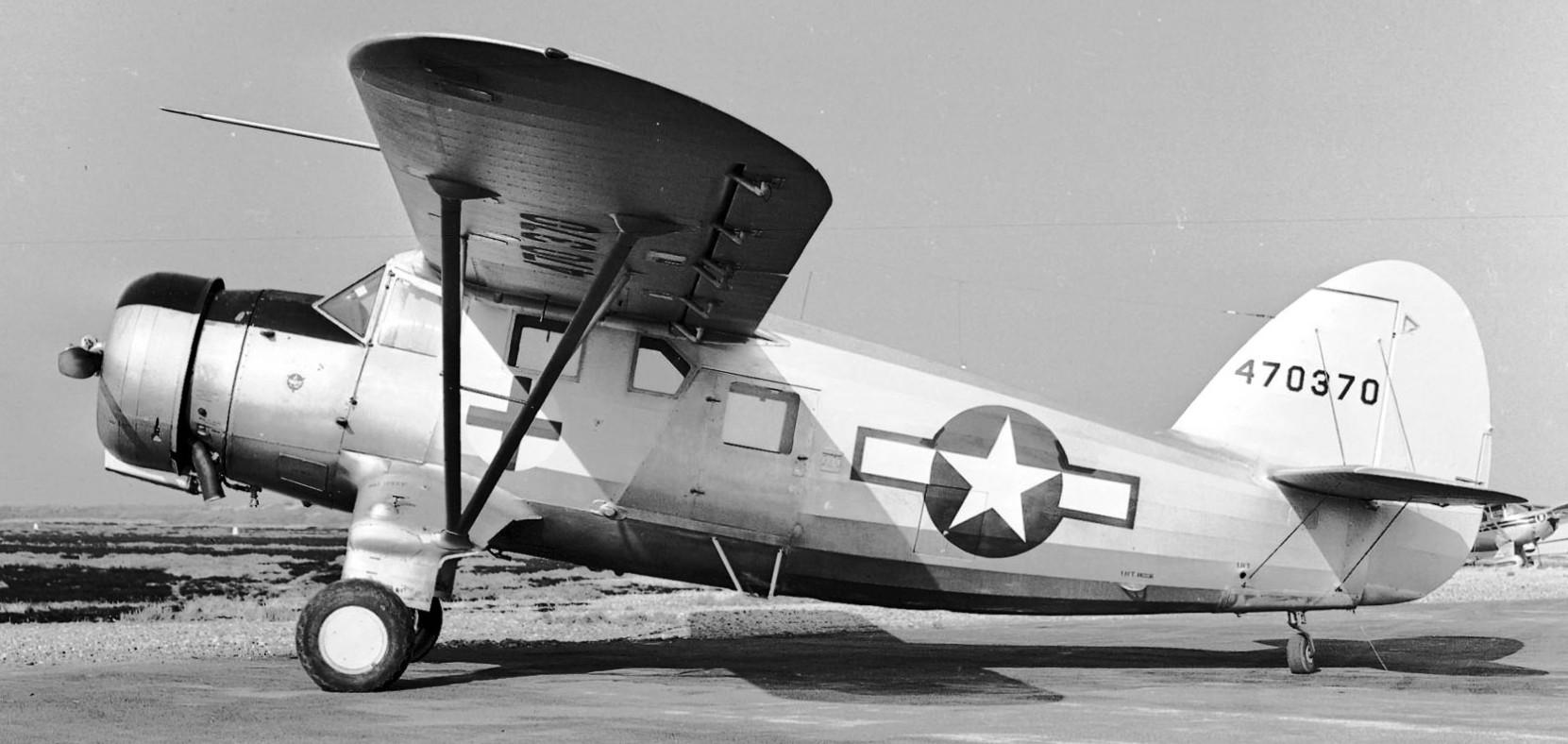
(USAAF Photo)
Noorduyn C-64 Norseman, USAAF (Serial No. 44-70370).
By 1940, Noorduyn had sold only 17 aircraft, primarily to commercial operators in Canada’s north and to the Royal Canadian Mounted Police. With the outbreak of war, demand for a utility transport led to large military orders. The Royal Canadian Air Force and the United States Army Air Forces became the two largest operators. The RCAF ordered 38 Norseman Mk.IVWs for radio and navigational training for the British Commonwealth Air Training Plan.
USAAF Colonel Bernt Balchen was establishing a staging route across Greenland to ferry aircraft to Europe. He required a transport rugged enough to survive in the harsh conditions of the Arctic. After evaluating six Norsemans diverted from the RCAF order, late in 1941, he recommended the purchase of the Norseman Mk. IV specially modified to USAAF requirements as the YC-64A. After the US entry into the Second World War, the USAAF placed the first of several orders for a production version C-64A Norseman. The principal differences included two fuselage belly tanks raising the standard fuel capacity to 201 imp gal (910 L; 241 US gal), and an additional cabin fuel tank of 32 imp gal (150 L; 38 US gal) that could also be installed. These changes resulted in an increase of 950 lb (430 kg) in the loaded weight. Deliveries began mid-1942, with the US military eventually ordered 749 Norseman Mk. IVs as the C-64A (later UC-64A).
Throughout the Second World War, the USAAF Norseman aircraft were used in North America (primarily Alaska) as well as other in theaters of war, including Europe. Three UC-64As were used by the US Navy under the designation JA-1. Six C-64B floatplanes were used by the US Army Corps of Engineers. Other Allied air forces also placed orders, for 43 Norseman Mk.IVs. The RCAF ordered an additional 34 aircraft as Norseman Mk. VIs. Noorduyn was still the sole manufacturer, but when the USAAF considered ordering a larger number of C-64As, license production of 600 by Aeronca Aircraft Corp. (Middletown, Ohio) was planned before being cancelled in 1943.
Major Glenn Miller was a passenger on a UC-64A Norseman (s/n 44-70285) flown by F/O John R. S. Morgan which disappeared over the English Channel on 15 Dec 1944. (Wikipedia)
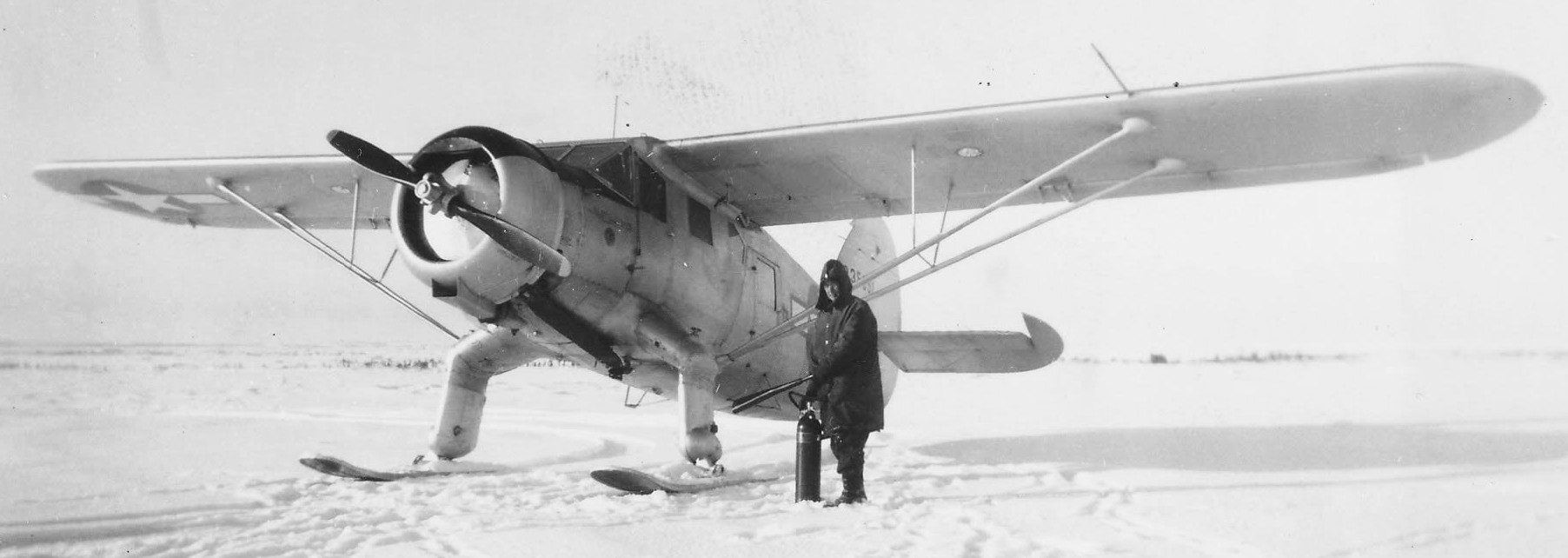
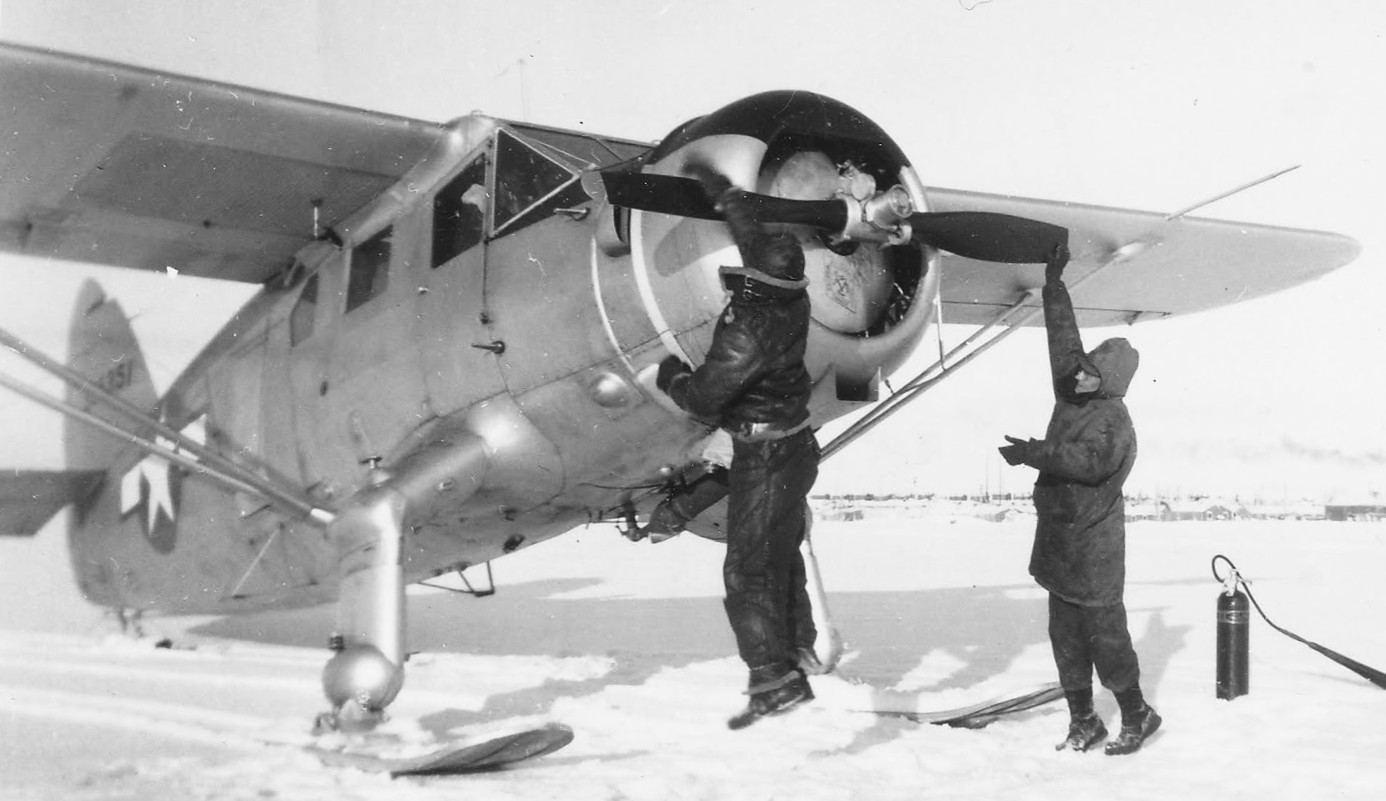
(USAAF Photos)
USAAF Noorduyn UC-64A-ND Norseman, near Churchill, Manitoba in the mid to late 1940s.
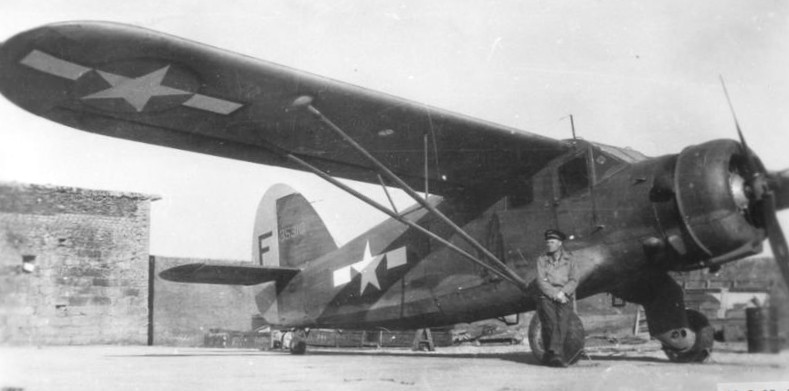
(IWM Photo, FRE 14806)
An airman with his Noorduyn UC-64A Norseman, USAAF (Serial No. 43-5310) in France, 1944.
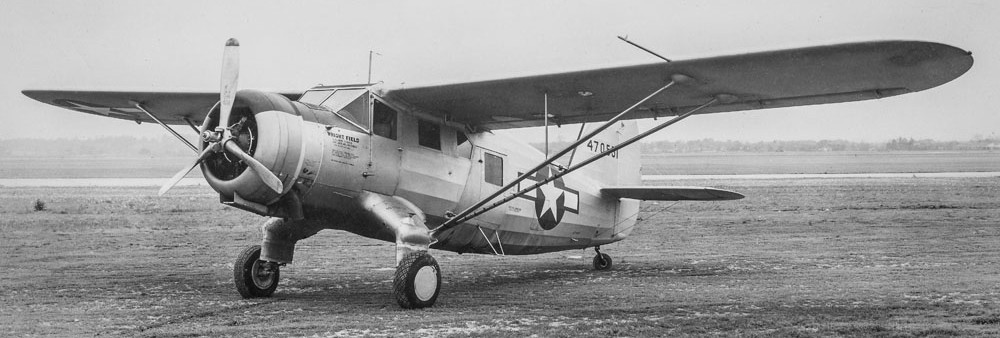
(USAAF Photo)
USAAF Noorduyn UC-64A-ND Norseman.
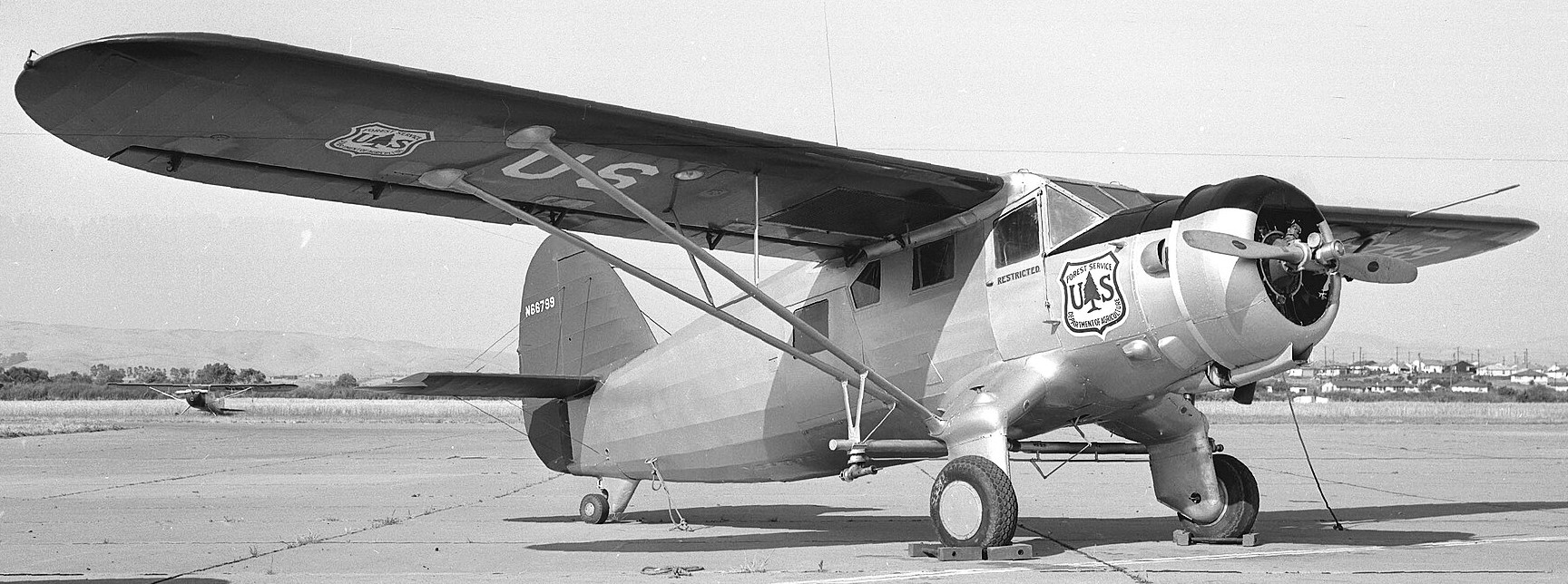
(Bill Larkins Photo)
Noorduyn Norseman, U.S. Forest Service (USFS).
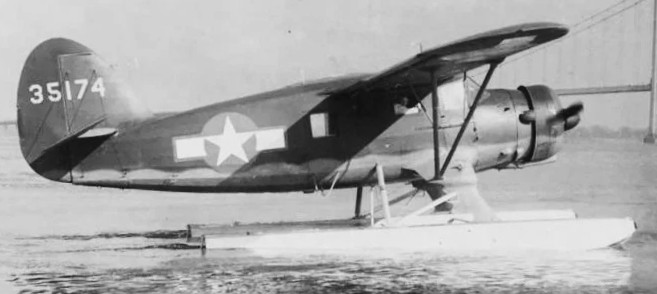
(USAAF Photo)
Noorduyn UC-64A Norseman on floats.
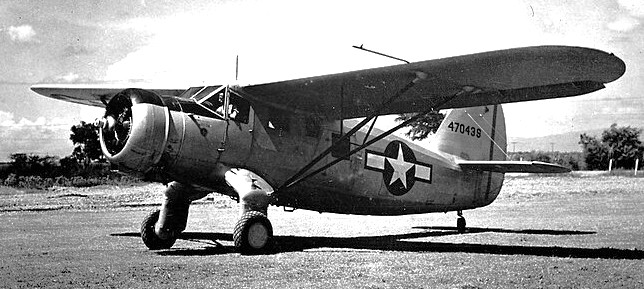
(USAAF Photo)
USAAF Noorduyn UC-64A Norseman (Serial No. 44-70438), 3rd Air Commando Group in the Philippines, 1945.
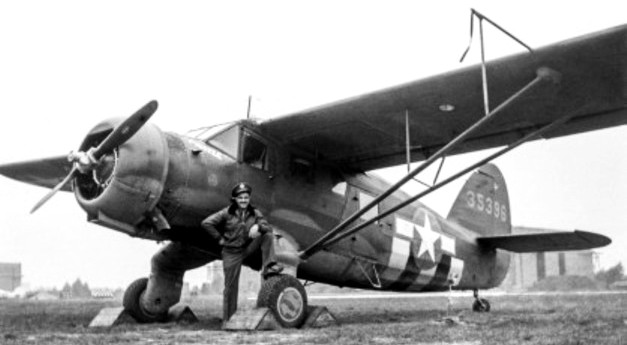
(USAAF Photo)
Noorduyn UC-64A Norseman , USAAF (Serial No. 43-35396), crashed in Brittany, killing the pilot Robert Patterson, 28 August 1944.
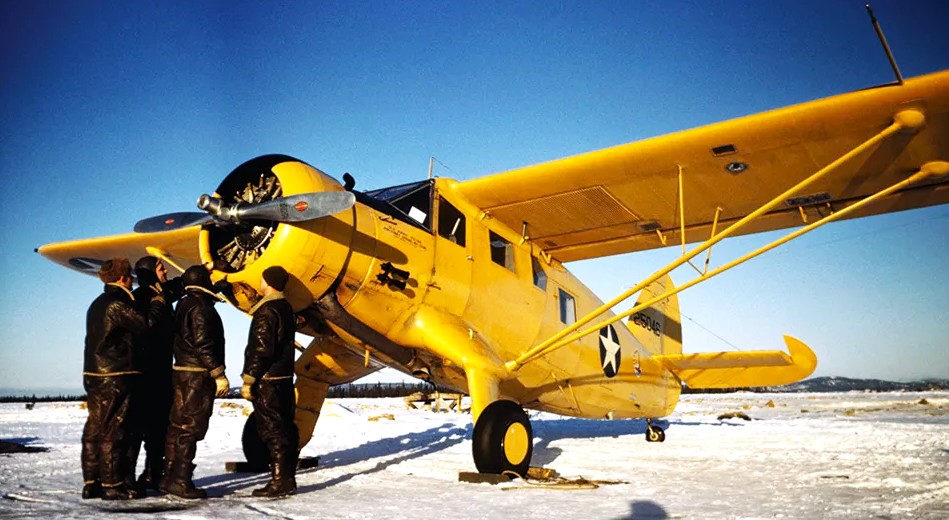
(Ivan Dmitri/Michael Ochs Archives/Getty Images)
USAAF crewmen inspect a Norseman before takeoff from an American base in Goose Bay, Canada, in December 1942.
Although far from the most glamorous aircraft in the AAF inventory, the C-64 served faithfully throughout the world—and not just in polar regions. Frank Davis, a typical C-64 pilot, recalled his experiences with the aircraft: “During WWII I flew several hundred hours in Norsemen in India and Burma, a combat area where we often used very short strips carved out of the jungle. Of the thousands of hours that our Norsemen flew, I can think of no incidents caused by plane failure. My personal problems came from a replacement engine from the States with four rebuilds—no longer eligible for Stateside flying, but OK for combat! It nearly cost me a few times (cutting out, but able to be restarted). We didn’t know what weight and balance was—we just stuffed them full of supplies, drums of gas, wounded soldiers, Jap prisoners, whatever, and hoped we cleared the trees. Getting over high mountains in hot weather was a problem, but with time, and sometimes a bit of flaps, we made it. The airplane certainly did its job, and I am grateful that our organization had the foresight to use them.” (HistoryNet)
While most Second World War aircraft were scrapped soon after hostilities ended, the Norseman’s career was only just beginning. Hundreds of C-64s and UC-64s came onto the surplus market, and as the Canadian wilderness experienced a postwar development boom, the demand for bush planes soared. Many surplus Norsemen were snapped up by Canadian operators, while others turned up everywhere a rugged utility transport was required.