PTSD (Shell Shock)
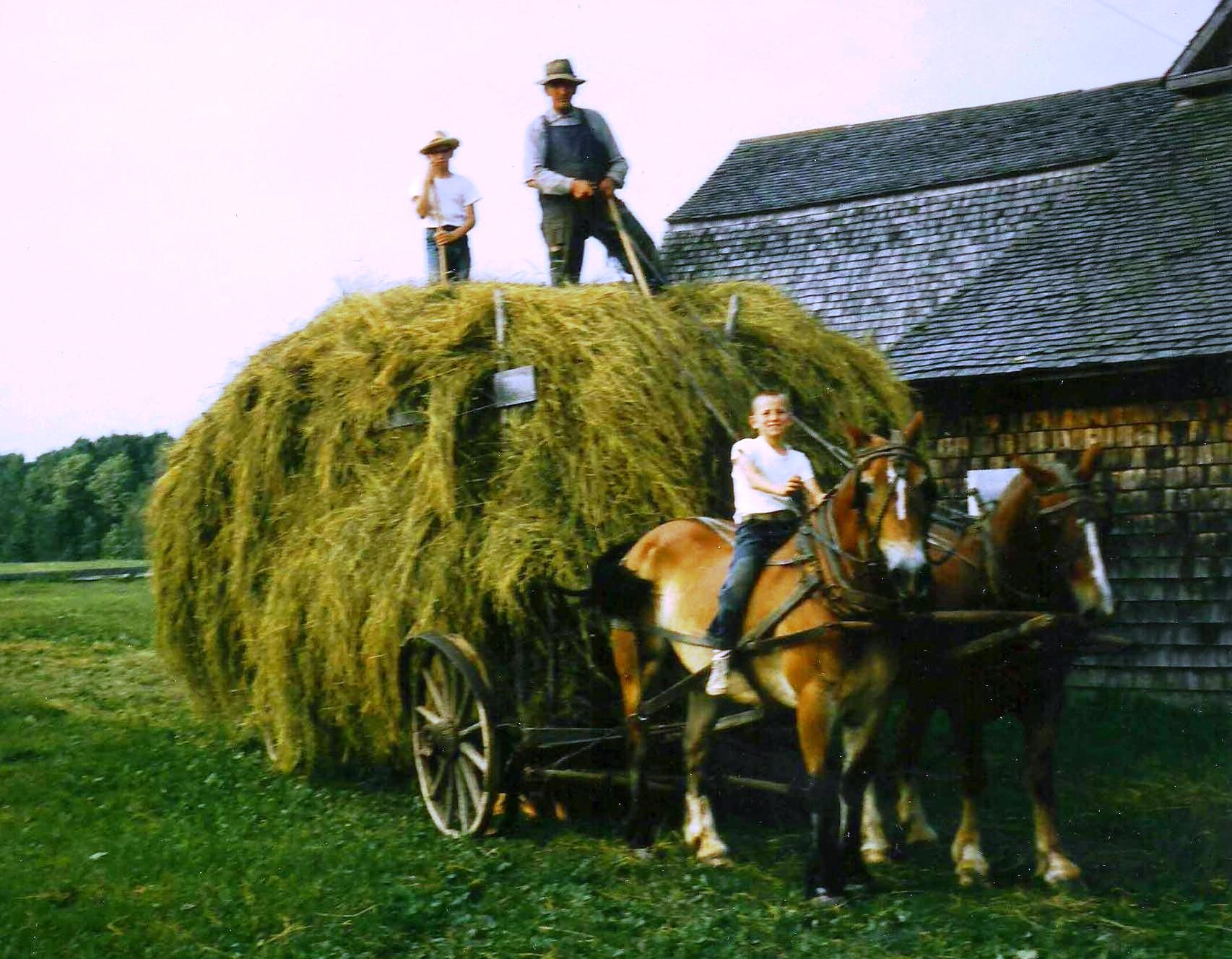
When I was a boy (ca 1960s) visiting my Grandfather Walter Estabrooks on his farm in Carleton County, New Brunswick, my brother Dale and I would often find ourselves sitting on a couch near the kitchen table when visitors dropped by. Both of my grandfathers had fought in the First World War, although my Danish grandfather, Frederick Skaarup, had passed before I was old enough to know him. One day a veteran who had served in the North Shore (New Brunswick) Regiment (NS (NB) R) and had gone ashore in Normandy on D-Day, 6 June 1944, dropped by to chat with Gramp.
Astute children often recognize that when adults are talking about their war experiences, it is a rare thing, and if you keep silent and just listen while pretending to be invisible, you may learn something of great interest.
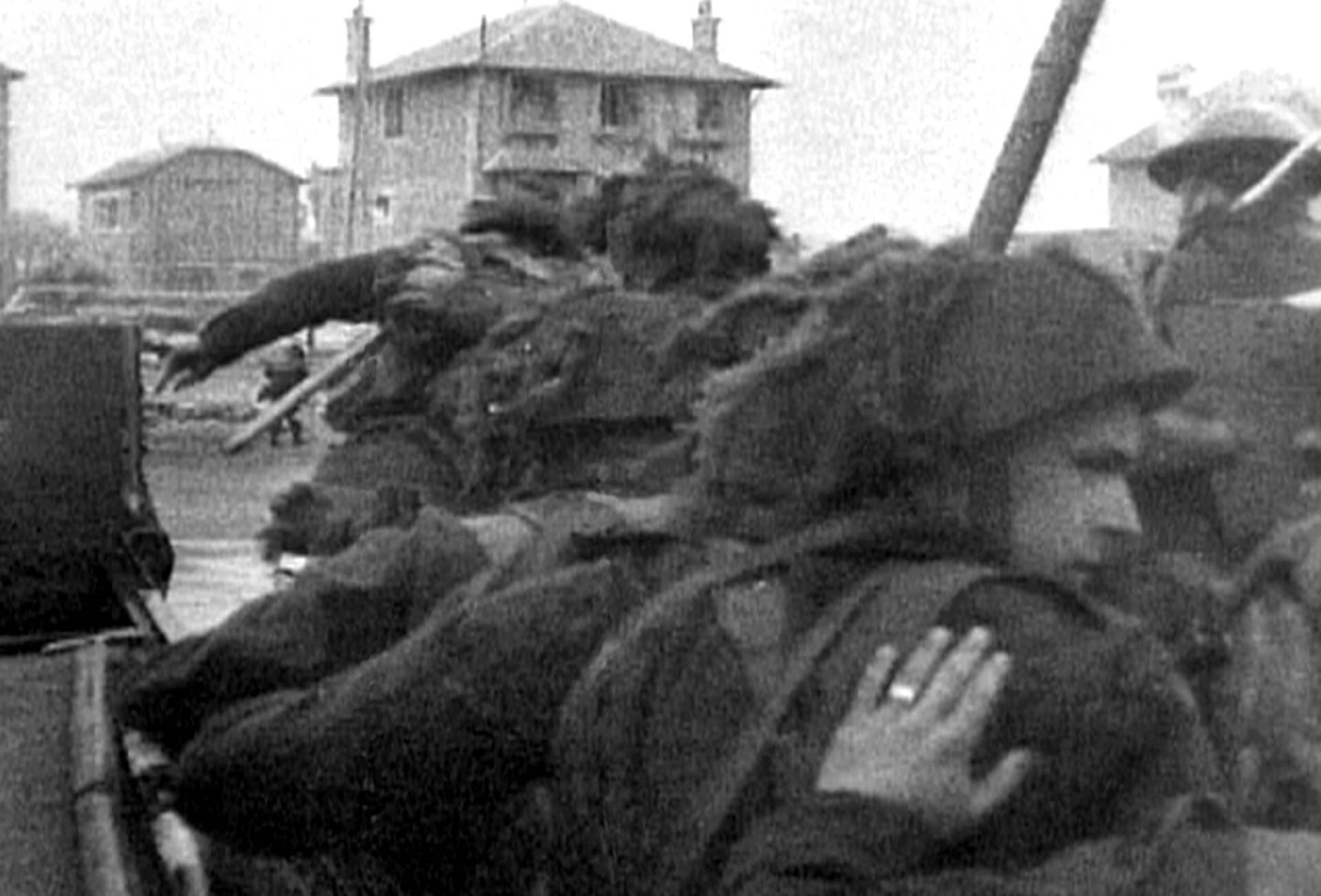
(DND Photo)
The North Shore (New Brunswick) Regiment landing in the first wave to assault Juno Beach on 6 June 1944. The footage was captured by Sergeant Bill Grant of the Canadian Army Film and Photo Unit, who landed with the troops. The scene depicts soldiers arriving in Saint-Aubin-sur-Mer, a coastal village in Normandy, France. The specific moment shown, featuring a reassuring hand gesture between soldiers, is a well-known depiction of comradeship under fire.
The veteran spoke of the shell and machinegun fire he and his mates went through to get ashore, but he said, “that wasn’t the hardest thing.” They came up against the Hitler Youth (Hitlerjugend), which had been an official youth organization in Nazi Germany, created to indoctrinate young people in Nazi ideology and train them for future service in the military or the home. Founded in 1926, it grew from a small party group into a massive, state-mandated organization, encompassing nearly all German teenagers by 1939. They were mostly young teenage boys.
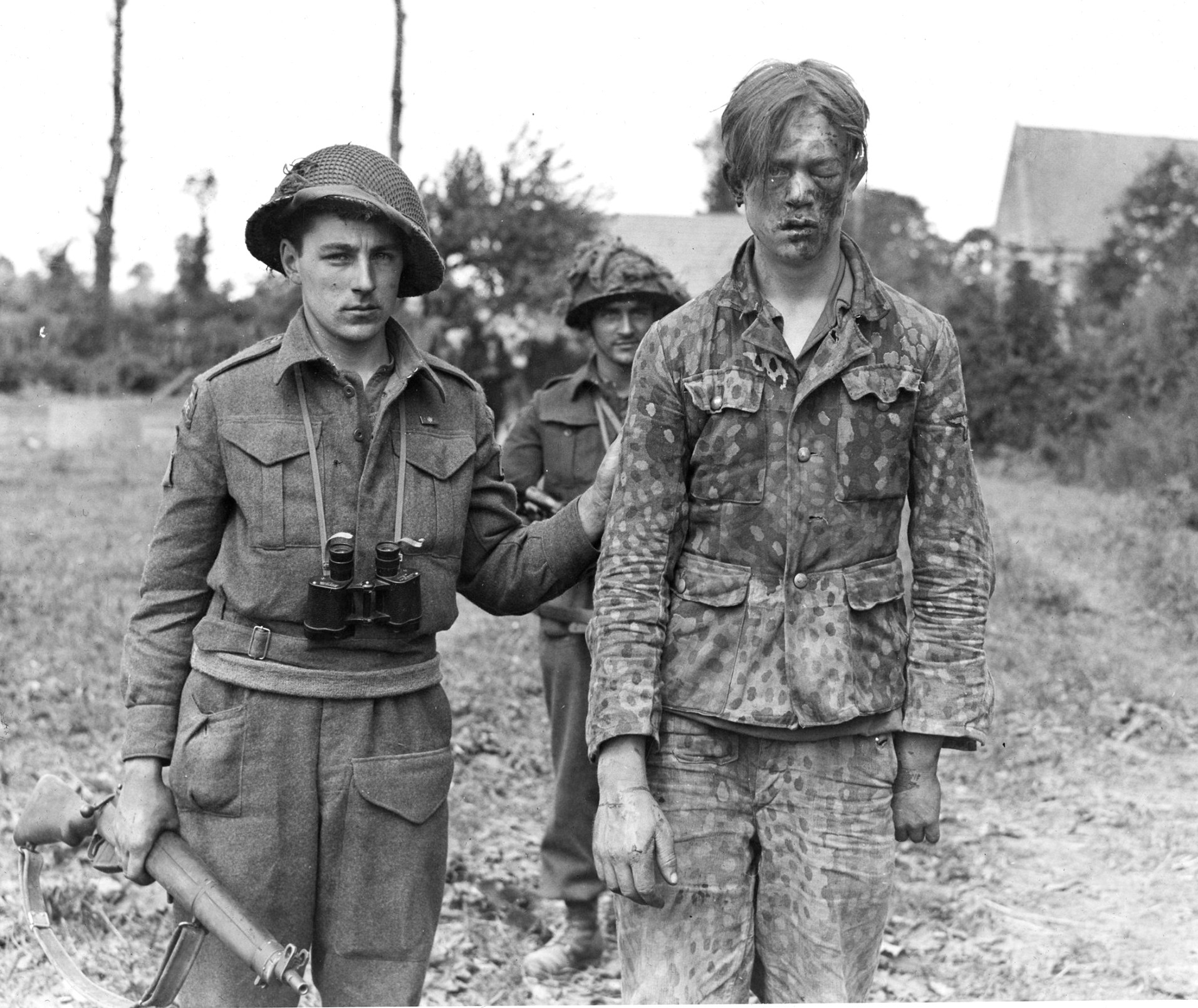
(DND Photo)
(Library and Archives Canada Photo). A captured Panzergrenadier from the 12th SS Panzer Division “Hitlerjugend” being escorted to an allied first aid station in France on 21 June 1944 by Canadian soldiers Private Gaston Daisneault, Chateauguay, Quebec, (left) and Private. Robert Bonneau (center, background), of Lyster, Quebec.
When the fighting took place in close quarters and their ammunition ran low, many of the adult German soldiers would surrender. The boys would not. Over and over, the soldiers of the NS (NB) R had to kill them and kill them and kill them. He never got over it, had never slept well in all the time since the end of the war, and would never speak of it to anyone. My brother Dale and I kept silent.
The two veterans finished their coffee, and the North Shore man left. I asked my grandfather why it was that he couldn’t talk about that awful experience to anyone else, “why did he tell you?” Gramp said, “I was in a place during the Great War they called Passchendaele, which was just one glorious mud hole. We were there 42 days. Kept 24 men on the guns and lost 42 in the time, an average of one a day”. He used the word shocked for one man, which he described as “to be shell shocked, one is just in a daze until it wears off, if it ever does”. He said “our North Shore visitor knew that I knew what he was feeling, and would not judge. He knew, as an old soldier, that I would listen and understand, and for a few moments, share a bit of peace.”
Grandfather Frederick had been born in Denmark which had been occupied by Germany, and when the German Army conscripted him, he served as a gunner in the trench warfare in France. Both he and Walter, also a gunner, served in the same general theatre of war. After the war, their two farms were located close together, and they would often get together to chat about the horrific circumstances they found themselves in. No judgment was passed, as both saw and experienced death all around them in ways you and I cannot imagine. They could talk and share experiences while smoking pipes on the veranda of one of their farm homes. Anyone else who had not served would have no idea of what they lived through, nor would they understand what they had to do to survive. Even though they had been on opposite sides, the experience – and the trauma, was the same for both.
I volunteer at a number of museums, and we often have servicemen and women from 5 Canadian Division Support Base Gagetown come to us on loan to take a break from stress that has accumulated over time in the job. Post-Traumatic Stress Disorder (PTSD) is not a new thing. It has always been with us in various forms. Many family members will tell you “my father, grandfather, brother, husband, son, or daughter never spoke about the war.”
Many of us in the Canadian Forces have served “somewhere over there”, and most of us know why it is, that some cannot speak of what they experienced, without reliving it. If you have been there when there are casualties, it takes a long time to get used to dealing with the aftermath. What we tell them, is, we don’t judge. Just take the time to do the practical tasks such as helping us to catalogue artifacts, build museum exhibits, and assist with giving tours to groups visiting the museum. Share your time, and experience, if you so choose, with those of us, who, like you, have “been there” and understand. You don’t neccessarly have to talk to anyone. You are with friends.
Some do, and without having to be closely supervised, often enthusiastically give their attention to working on things that are totally unrelated to the stress they have experienced. Some, unfortunately, do not. They just want to complete their time and be done. We can not help those who do not want to be helped. The gift, however, is having some of them come to us after their brief respite, to tell us, “you know, I think I can go back to work”.
Major (Retired) Harold A. Skaarup
If you or someone you know is in immediate danger, call 9-1-1. If you or someone you know is thinking about suicide, call or text 9-8-8. Support is available 24 hours a day, 7 days a week through the 9-8-8: Suicide Crisis Helpline.
Note:
The Canadians fought a series of battles against the 12th SS Panzer Division Hitlerjugend (Hitler Youth). The German soldiers were young, indoctrinated, and had a reputation for killing prisoners after battle. By the end of the Normandy campaign, the 12th SS was annihilated as a fighting unit.
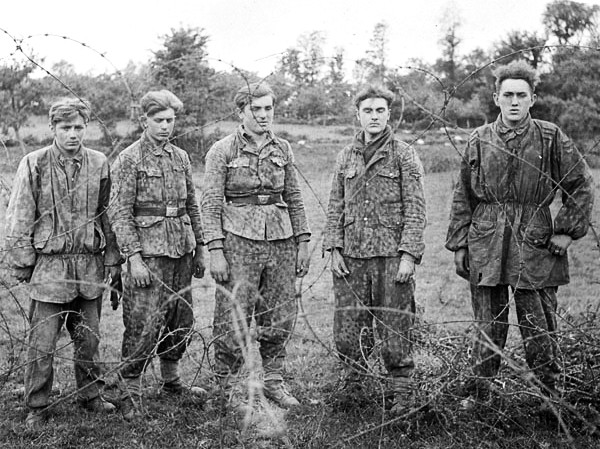
(Library and Archives Canada Photo, MIKAN No. 3403235)
Soldiers of the German 12th SS Division in a temporary prisoner-of-war cage in Normandy, France, ca. 7-8 July 1944.